Side A · Liner notes
Learn from Brandon McNulty: Effective Pacing Strategies for Long Rides
Nutrition · Words by Robert Rodriguez · Released
Brandon McNulty's success at the Road Racing World Championship highlights key pacing strategies you can adopt for your long rides.
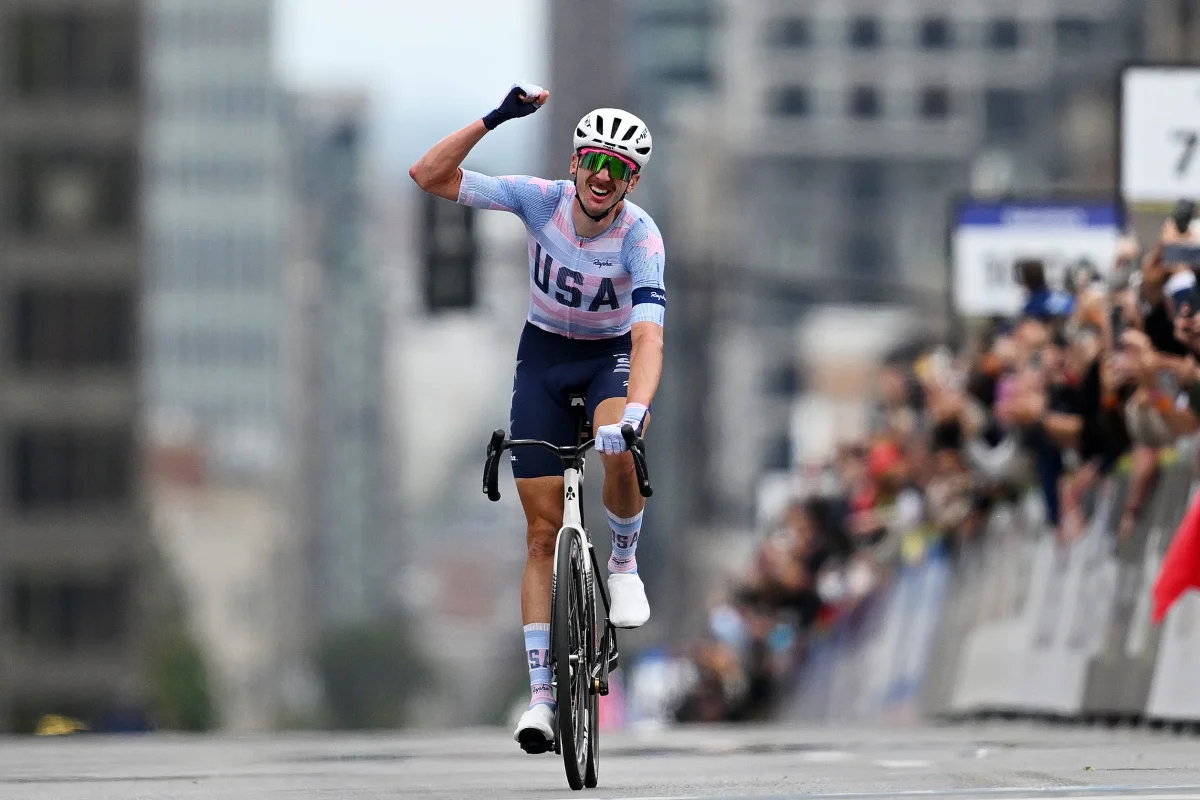
At the 2026 Road Racing World Championship, Brandon McNulty made a defining move with just over 30 kilometers left in the race. As he distanced himself from the main group, it quickly became clear that there was little willingness to chase him down. This marked a momentous occasion, ending a long drought for American cyclists competing for the coveted rainbow jersey. The tactics employed by the American team played a crucial role in McNulty's ascent, showcasing the importance of strategic pacing and collaboration rather than relying solely on individual power.

While not everyone will find themselves leading the charge alongside elite competitors like Remco Evenepoel and Mathieu van der Poel, enthusiasts can glean valuable insights from McNulty's approach to pacing. Learning when to exert effort and when to conserve energy can significantly impact performance on long rides. Based on my experience as a trainer and cycling coach, I've seen many cyclists struggle with pacing, often leading to exhaustion or underwhelming performances. Here, I’ll explore effective pacing strategies that can help ensure you finish strong on your next ride.
Pacing from the Start
Starting a long ride can be exhilarating, making it tempting to push hard from the get-go. However, adopting a pacing strategy similar to McNulty’s can be beneficial. If you're part of a group, consider sticking with the pack during the initial miles. While taking your turn at the front is important, there’s no need to react to every surge from other riders right away. It's vital to reserve your energy instead of igniting every match early on.
“Part of pacing long rides is to avoid surging on every hill,” advises Dan Chabanov, a test editor at Bicycling and seasoned racer. Ideally, you should keep your power or heart rate within a manageable range—zones 1 or 2—during the early phase, which usually lasts for 30 to 60 minutes. If you don’t have monitoring devices, the talk test can serve as an effective guide; ensure you can hold a conversation without gasping for breath.

Consistency is Key
While beginner cyclists might be tempted to maintain a specific speed, a more effective strategy is to focus on consistency in power, heart rate, or perceived exertion throughout the ride. Ideally, you’ll spend most of the time in zone 2, occasionally dipping into zones 1 and 3 as terrain changes. Chabanov highlights McNulty’s final lap strategy: “He clearly slowed on the Mount Royal climb to reserve energy for the last 10 kilometers, rather than exhausting himself on the ascent.”
Understanding the course and planning your effort accordingly is crucial. If you're gauging your intensity based on how you feel, revert to the talk test. If your breathing makes it hard to express even a simple thought, then you’re likely overextending yourself.
Nutrition and Hydration
Don’t underestimate the importance of proper nutrition and hydration before and during your ride. Spencer, a fellow coach, emphasizes that food isn’t just fuel for muscles; the brain relies on it just as much. “An underfueled athlete may not only be slow, but also irritable,” she notes. Your performance is intricately connected to your fueling, and waiting too long to eat—say until hour three of your ride—can lead to feeling fatigued and depleted, often referred to as “bonking.”
To prevent this, it’s advisable to eat and drink regularly. Frank Overton from FasCat Coaching suggests starting nourishment within the first 30 minutes and then continuing to refuel every half hour. Choose foods and drinks you know your body responds well to; this testing should ideally happen on shorter rides. Many enjoy fun snacks like cookies, but just remember what works for you to avoid any unexpected detours during longer rides.
Stay Mentally Present
As you near the end of a ride, it's easy to get tunnel vision on the finish line, but it's vital to remain present in the moment. Spencer notes, “In the last few miles, don’t let your mind drift too far ahead. Focus on your current pace and enjoy the ride.” It’s also safer to keep your attention on the path ahead to avoid accidents, akin to the skiing “last run” that can often end on a disheartening note.
By applying these strategies from McNulty’s recent championship performance, you’ll be primed for success on your next cycling endeavor. With careful pacing, consistent effort, proper nutrition, and mental clarity, you can enhance your performance and finish your ride feeling accomplished. So lace up those cycling shoes and get ready to conquer the next challenge with confidence.


