Side A · Liner notes
Essential Etiquette for a Positive Trail Riding Experience
Nutrition · Words by Christopher Davis · Released
Practicing good trail etiquette is crucial as mountain biking gains popularity. Here are key guidelines for ensuring enjoyable, safe rides for everyone.

Mountain biking offers an exhilarating way to connect with nature, and the increase in trail usage can create both thrilling and challenging experiences. The pandemic significantly boosted the number of riders on trails, leading to crowded paths and more mixed interactions among different types of users. To navigate this busy terrain safely and respectfully, there are essential etiquette rules to follow, whether you're a seasoned biker or a newcomer.

Leave No Trace
One of the fundamental principles of mountain biking is to preserve the natural beauty of the environment. Riders should always aim to leave no trace of their presence on the trails. This means carrying out any waste, as trash bins are typically only located at the trailhead. If you take a break for snacks, ensure that wrappers and other refuse are properly stored until you can dispose of them correctly.

Learn more about minimal-impact practices from resources like the Seven Principles of Leave No Trace to further enhance your outdoor experience.

Yield and Communicate Properly
Understanding right-of-way is essential, especially on multiuse trails. Mountain bikers should yield to equestrians and foot traffic, which helps maintain a harmonious atmosphere on shared paths. If you're descending and encounter climbers, be proactive in yielding to them. A simple greeting can foster positive interactions and establish goodwill among trail users.
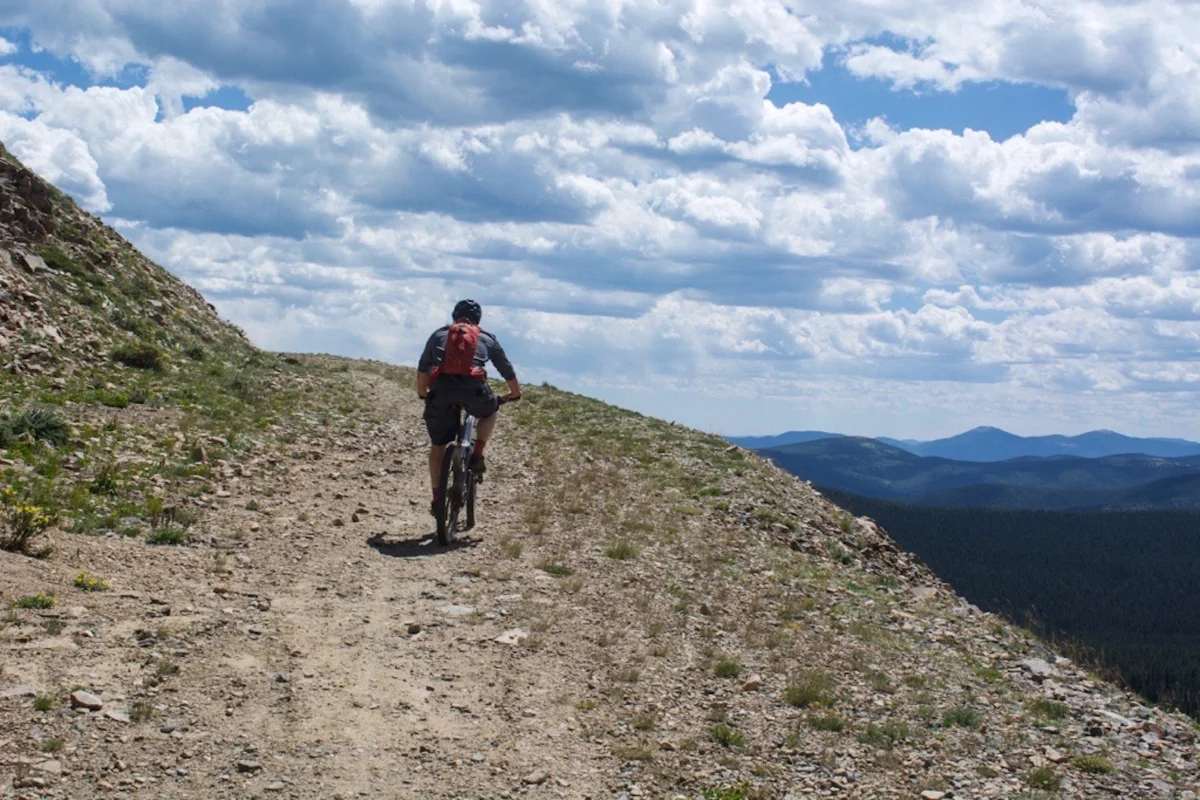
Always be vigilant about trail signage, as some networks designate specific trails for bikes, while others allow for hiking or equestrian use. When approaching other riders from behind, alert them by saying “on your left” or using a polite bell. Remember, yielding often involves moving aside or slowing down to allow others to pass safely. Be especially cautious around horses, as they may react unpredictably to the sounds of biking.

Mind Trail Conditions
Another significant aspect of trail etiquette is being mindful of trail conditions. If recent rains have left trails muddy enough to leave ruts, it’s wise to turn back rather than risk damaging the path. Recognizing how different trails react to wet conditions takes time, so be observant and learn which nearby trails are less prone to erosion.

Riding through the center of wet spots rather than around them prevents trail widening, which can cause long-term damage. If you bike in regions affected by freeze/thaw cycles, plan your rides according to the weather to minimize your impact. When trails are hard-frozen, take advantage of those conditions for faster and more enjoyable rides.
Stay Aware and Alert
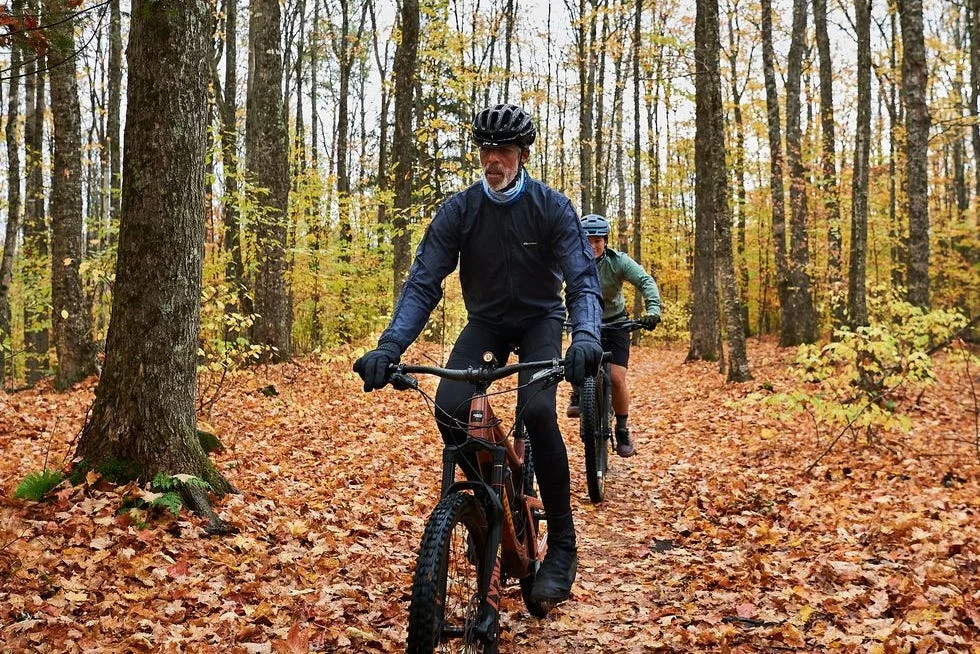
Effective communication extends beyond yielding; situational awareness also plays a crucial role. Every trail has its quirks—some might have set directional paths, while others do not. Speed can be thrilling, but it's essential to maintain control and remain alert to potential obstacles, such as other riders or wildlife.
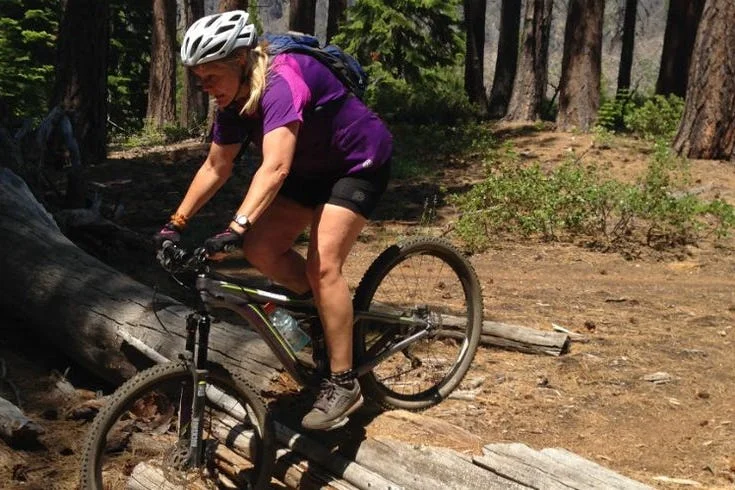
Consider using a bell on your handlebars to make your presence known, especially around blind corners. This not only enhances your safety but also contributes to a more pleasant riding experience for everyone. If you find that you cannot hear your surroundings, it may be best to leave music or podcasts at home on the trails.

Uphill Riders Have Right-of-Way
When it comes to two-way trails, remember that riders climbing uphill generally have the right-of-way. Descending riders should be prepared to yield to those climbing, ensuring a smooth flow on shared trails. In flatter areas, determining right-of-way can depend on the situation. If another rider is approaching an obstacle that requires momentum, it may be courteous to yield.
Should another rider yield to you, a simple thanks goes a long way to promote a collaborative atmosphere. If you’re riding in a group, letting oncoming riders know your numbers can help them adjust accordingly.
Avoid Trailing Modifications
It can be tempting to modify a trail feature to accommodate your style of riding, but that can have unintended consequences. Local builders invest considerable time and effort into crafting trails that are both sustainable and enjoyable. Many have undergone training on proper trail-building techniques.
Instead of altering trails, consider getting involved. There are plenty of opportunities for volunteering in trail maintenance. Engaging with local organizations or looking out for volunteer days can lead to improvements in your riding environment.
Contribute to Trail Maintenance
Most local trails are maintained by passionate volunteers. You can contribute by attending volunteer days where you can assist in tasks like trash removal, clearing storm debris, or even improving drainage structures. This not only helps ensure that the trails remain in good shape but also provides a chance to connect with fellow bikers and enjoy a sense of accomplishment.
To find local trail advocacy opportunities, check resources like bulletin boards at trailheads or community social media groups. Contributing your time makes a significant difference and enhances your relationship with the trails you enjoy.
Following these guidelines ensures a safe and enjoyable experience for all trail users. Respecting the trails, fellow riders, and nature reflects well on the mountain biking community. By maintaining good etiquette, you play a vital role in ensuring that these spaces remain accessible and enjoyable for everyone who rides.


