Side A · Liner notes
Understanding VO2 Max: Its Importance, Decline with Age, and How to Preserve It
Nutrition · Words by Michael Smith · Released
VO2 max measures cardiovascular fitness and declines with age. Regular exercise, particularly strength training and specific intensity workouts, can help maintain it.

For many cyclists, pushing themselves to the limit occasionally brings them close to reaching their VO₂ max—essentially the maximum volume of oxygen their body can effectively utilize during intense exercise. This measurement acts as a key indicator of an individual’s cardiovascular fitness and overall endurance capability.

As one ages, VO₂ max levels typically decline, but there are strategies to combat this decline, particularly through dedicated training. This article explores the significance of VO₂ max, the reasons behind its decline with advancing age, and effective ways to maintain it.

Why Does VO2 Max Matter?
Among various health and fitness metrics, VO₂ max stands out as fundamental. According to Todd Buckingham, Ph.D., an exercise physiologist, "VO₂ max reflects how well your body can intake, transport, and utilize oxygen during peak exertion." Achieving high VO₂ max levels is directly associated with better performance in endurance-related activities. The higher the VO₂ max, the greater an athlete's potential to excel in their respective disciplines.

This measurement is articulated in milliliters of oxygen consumed per kilogram of bodyweight per minute (ml/kg/min) and is best assessed through specialized laboratory testing. During such tests, individuals engage in cardiovascular activities such as cycling or running while wearing equipment that captures inhaled and exhaled gases. While access to these tests can be limited and costly, modern fitness trackers can provide an estimate of VO₂ max, although these readings can sometimes be inaccurate, fluctuating by up to 10% from one’s actual levels.

Why Does VO2 Max Decline as You Age?
VO₂ max experiences a natural decline as part of the aging process, with peaks occurring in men around their mid-20s and in women in their early 30s. Following these peaks, declines generally begin. Research indicates that individuals may see an average reduction of approximately 10% in VO₂ max after the age of 30, with even steeper drops noted in active individuals. For instance, a recent study highlighted that aging influenced VO₂ max more severely in active female athletes than in their sedentary counterparts, due to their initially higher readings.

This decline is attributed to various physiological changes, primarily stemming from decreased cardiac output. Cardiac output, a vital part of cardiovascular health, reflects how much blood the heart pumps over time, influenced by heart rate and stroke volume. Both elements tend to decrease as an individual ages. Furthermore, age-related reductions in muscle mass, known as sarcopenia, significantly impact VO₂ max. As muscle mass diminishes and fat increases, aerobic potential decreases, relating back to how efficiently oxygen is utilized by body tissues.

Cumulatively, these changes mean that older adults often have fewer capillaries and mitochondria—crucial components for oxygen transport and energy production—leading to impaired exercise performance and endurance.

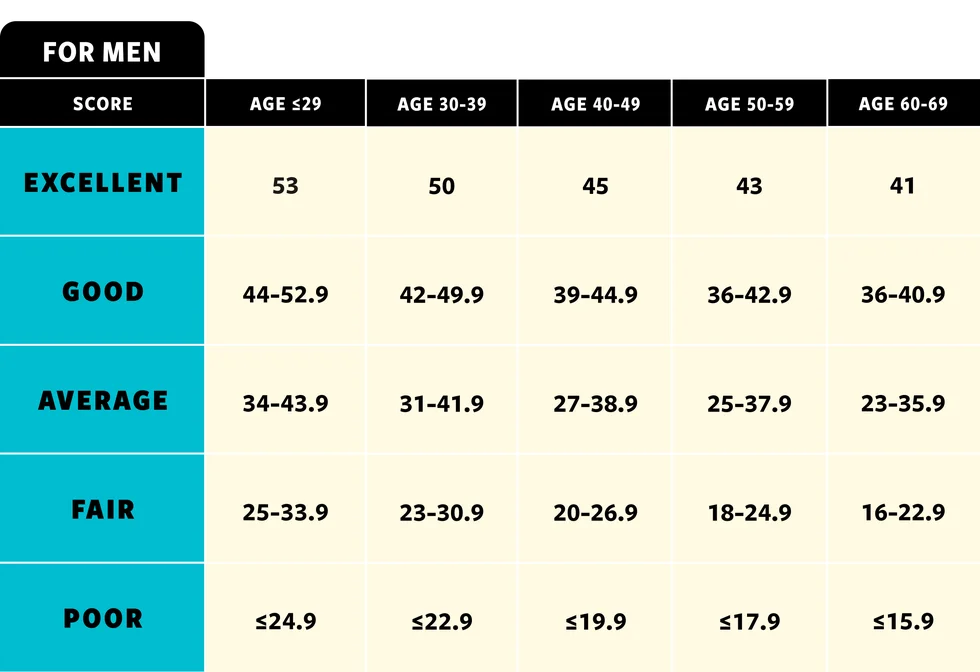
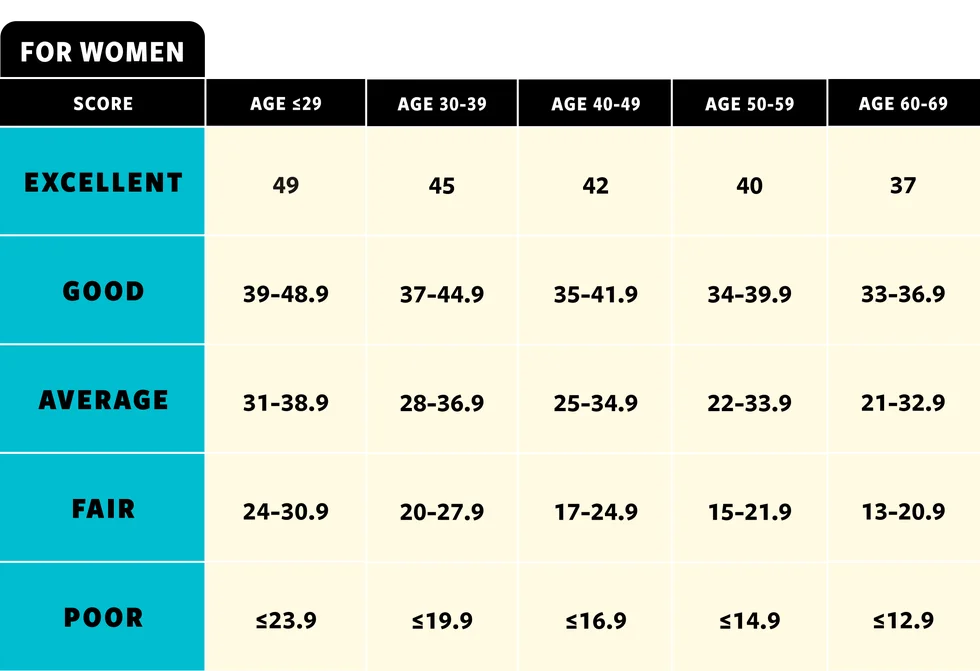
VO2 Max by Age Chart
The following charts present average VO₂ max values categorized by age and gender. These figures represent general trends and are influenced by a variety of biological factors and lifestyle choices.

How Do You Fight VO2 Max Declines as You Age?
Not everyone experiences VO₂ max declines at the same pace; engaging in regular physical activity plays a crucial role in preserving cardiovascular fitness. Buckingham emphasizes, "We don't stop exercising because we age. We age because we stop exercising." Therefore, staying active can significantly prolong VO₂ max levels well into older age.

A comprehensive training regimen that integrates various intensities—including easy rides, higher-intensity workouts, and strength training—can help maintain a healthier VO₂ max. Lower-intensity exercises, often referred to as “zone 2” workouts, are especially beneficial. These lower intensity exercises increase mitochondrial production (where oxygen is converted into energy) and capillary growth, enhancing the body's overall oxygen transport efficiency.

High-intensity workouts are equally important, as they promote the growth of larger mitochondria, further improving the body's oxygen utilization capabilities. Balancing workouts with an 80/20 approach—80% low-intensity and 20% high-intensity—can be effective in sustaining fitness while minimizing the risk of burnout.

Furthermore, incorporating strength training can combat muscle loss associated with aging. The retention of muscle mass helps maintain a higher VO₂ max by preserving essential structures necessary for aerobic metabolism.
There’s substantial evidence indicating that higher VO₂ max levels correlate with increased longevity. For instance, a longitudinal study published in the Journal of the American College of Cardiology tracked over 5,000 men for almost five decades, revealing a direct connection between elevated cardiorespiratory fitness, as represented by VO₂ max, and longer lifespan.
Ultimately, while VO₂ max naturally decreases with age, proactive measures such as staying active through a combination of aerobic and strength training can significantly mitigate this decline. Developing a thoughtful workouts strategy can not only enhance cardiovascular fitness but also contribute to healthier aging.


