Side A · Liner notes
Understanding Tire Pressure from Pro Cyclist Luke Plapp: A New Perspective
Nutrition · Words by David Miller · Released
Pro cyclist Luke Plapp shares his surprisingly low tire pressure, revealing insights into optimal settings for performance and comfort on the road.
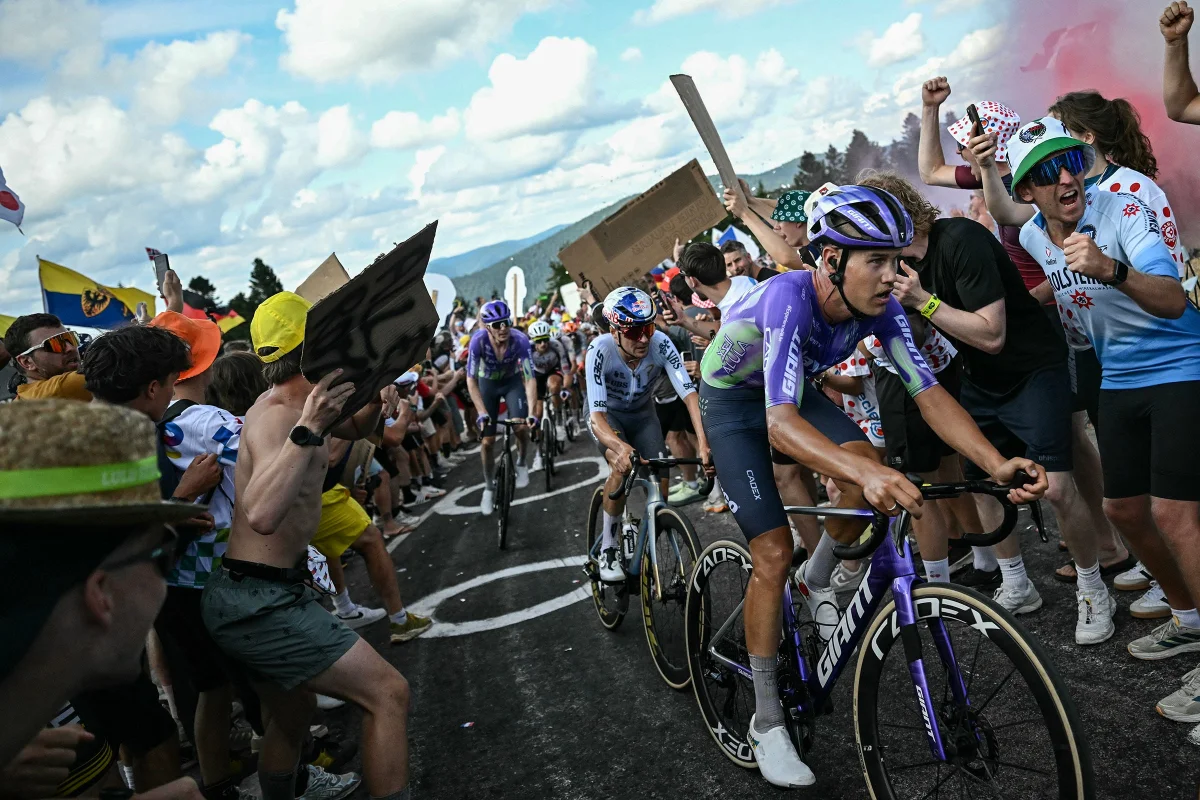
Professional cyclist Luke Plapp, a member of Team Jayco-AlUla, recently shed light on his tire pressure preferences during an episode of the Stanley St. Social podcast. His remarks stand out in a culture where many elite riders are reticent about sharing such specific details, and mechanics often maintain a level of discretion regarding their athletes’ setups. Plapp’s approach not only challenges traditional norms but also gives an exciting glimpse into current tire pressure strategies among top-tier cyclists.
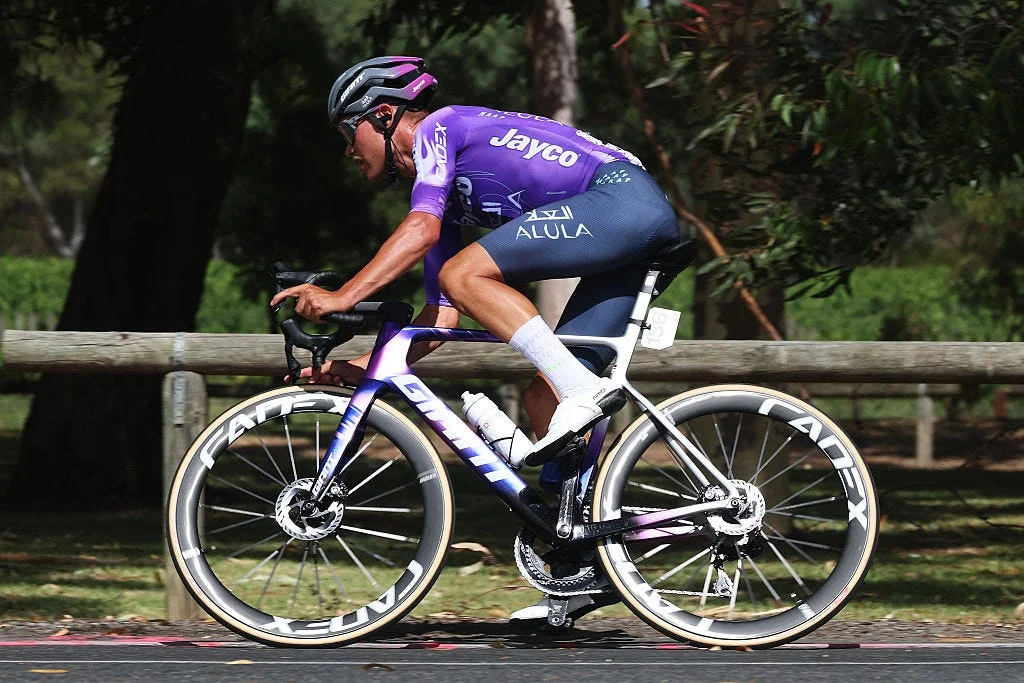
In the podcast aired on September 23, 2026, Plapp revealed that he uses tire pressures ranging from 3.7 to 3.8 bar, which translates to approximately 53.7 to 55.1 psi, specifically with 32mm tires. This information tends to surprise many, as few expect professional athletes to operate at such relatively low pressures.
It’s essential to clarify that Plapp refers to his tires as 32mm; however, they are likely the CADEX Aero 30mm tires. This discrepancy could stem from how the tires measure once mounted. The CADEX 50 Ultra wheels he utilizes feature a hookless rim with specific widths that can affect the final size of the tire when fully inflated. For instance, test results with similar tires often indicate that they can measure wider than their labeled size when fitted on certain rims. This nuance illustrates that understanding tire pressure involves more than just adhering to stated dimensions.
One of the critical factors missing in this discussion is Plapp’s body weight, listed on his Pro Cycling Stats page as approximately 158.75 lbs. If accurate, this weight places him on the lower spectrum of expected tire pressures. Generally, riders of similar body weights would typically opt for pressures in the low sixties psi, based on industry calculators. Given this context, it’s plausible that Plapp embraces lower pressures for enhanced comfort and grip rather than adhering to conventional norms.

This conversation about tire pressure is significant for several reasons. Personally, I concur with Plapp’s assessment that many cyclists, regardless of experience level, often use higher tire pressures than necessary. Through discussions with other bikers in various riding groups, it’s evident that misconceptions still exist regarding optimal tire pressures for performance. This perspective, coming from a two-time Tour de France competitor like Plapp, may challenge the status quo and encourage more cyclists to reconsider their setups.
The adjustments riders make when it comes to tire pressure can have a profound effect on their overall performance. Lower pressures are associated with improvements in comfort and traction, which can be especially beneficial during endurance events or long-distance rides where the road surface can vary significantly. However, it’s also a balancing act, as too low a pressure can risk pinch flats or reduced efficiency. Therefore, understanding the specific conditions of your ride, as well as your body weight and equipment, becomes paramount in making informed adjustments.
It’s crucial for cyclists to measure their tires accurately rather than simply relying on the manufacturer’s stated dimensions. The actual size of a tire can vary when mounted and inflated, which can significantly influence the required pressure to optimize performance. For those unfamiliar with how much their tires may stretch, it’s advisable to actively check the size post-mounting. Such diligence can help craft a more tailored and effective riding experience.
If you’re looking for guidance on setting your tire pressure, there are ample resources available. Cyclists can start by reading articles that elaborate on measuring tire pressure effectively and the importance of tire size in this context. Exploring the right tools in tire-pressure calculators can help ensure that whichever wheels and tires you use align with your riding style and weight without compromising safety or performance.
In summary, Luke Plapp's insights into his tire pressure choices highlight an essential aspect of cycling that many may overlook. As the cycling community continues to evolve, understanding these nuanced adjustments can empower riders to enhance their performance dramatically. Whether you’re a professional athlete or a weekend enthusiast, taking the time to research and measure the right tire setup can lead to a more enjoyable and effective riding experience.


