Side A · Liner notes
Exploring New York's Empire State Trail: A Journey Through Nature and History
Nutrition · Words by Thomas Williams · Released
This article details a 10-day bikepacking adventure on New York's Empire State Trail, highlighting its stunning scenery, rich history, and community impact.
As the rain fell heavily around us, it sounded thunderous inside the tent where my partner Maggie and I were trying to find comfort for the night. With the storm intensifying, I was concerned about the ability of our modest two-person tent to withstand such a deluge. Through the confusion, I shared fears of what we would do if lightning struck, little knowing what was in store ahead. Maggie, more prepared, consulted her phone for tips on storm safety. Alternating between thoughts of our drenched bicycles outside and ideas of escape plans, we weighed options such as taking shelter in the campsite bathrooms or calling for help. Ultimately, we settled on hope and tried to rest amidst the mounting anxiety, my mind churning with how this trip was proving daunting even before it truly began.
The sound of gentle raindrops mixed with birdsong beckoned me from my sleeping bag the next morning, presenting an internal debate between comfort and adventure. I learned quickly that multi-day bike touring like our planned 10-day trek along New York’s Empire State Trail required some grit: riding another twelve miles to avoid an uninspiring motel, forgoing a proper lunch for yet another granola bar, or waking early to escape the summer heat. These decisions were often challenging but would lead to unexpected rewards.

After packing up our sodden campsite routine—making coffee, breaking down the tent, and checking to ensure nothing was left behind—we begrudgingly stepped into another drizzly day. We were already exhausted, and it was only Day Two of our journey. Yet, it felt understandable given what we had already encountered.
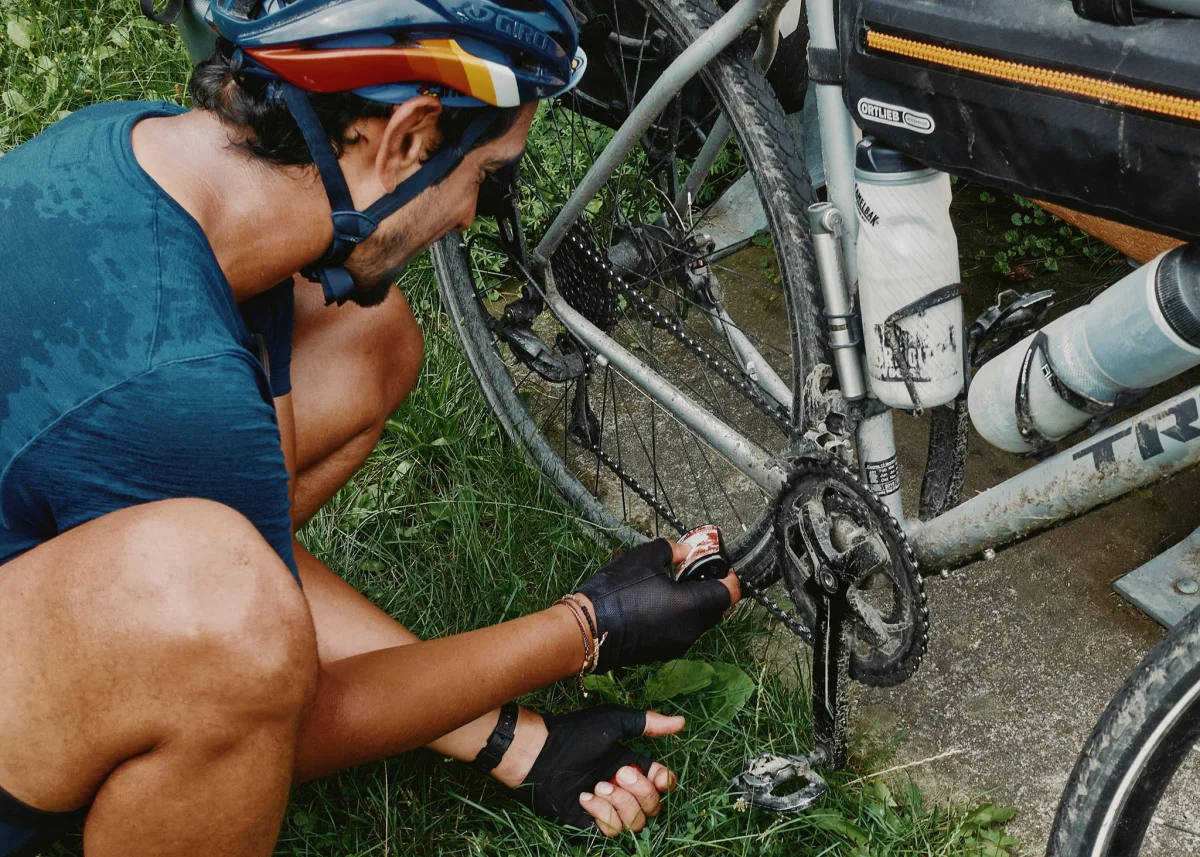
Setting off from Buffalo, we included a 65-mile detour to Niagara Falls before formally starting the Empire State Trail. Along the way, we had encountered lovely farmland and remnants of industrial decline, along with several engaging discussions with locals. A mechanic at a bike shop even fixed my troublesome brakes for free and shared insights about the other bike tourers he had met, reinforcing a sense of community.

The Erie Canalway Trail, which forms the western portion of the Empire State Trail, unfurled before us the morning after the storm. Stretching 360 miles from Lake Erie to Albany, the path consisted of finely ground gravel, enhanced by the previous rainfall, appearing straight and flat along the waterway. In the tranquility of the moment, I found it hard to reconcile the serene beauty of the canal with its active history as a pivotal industrial route. With a long journey ahead, we absorbed the fog-laden atmosphere.
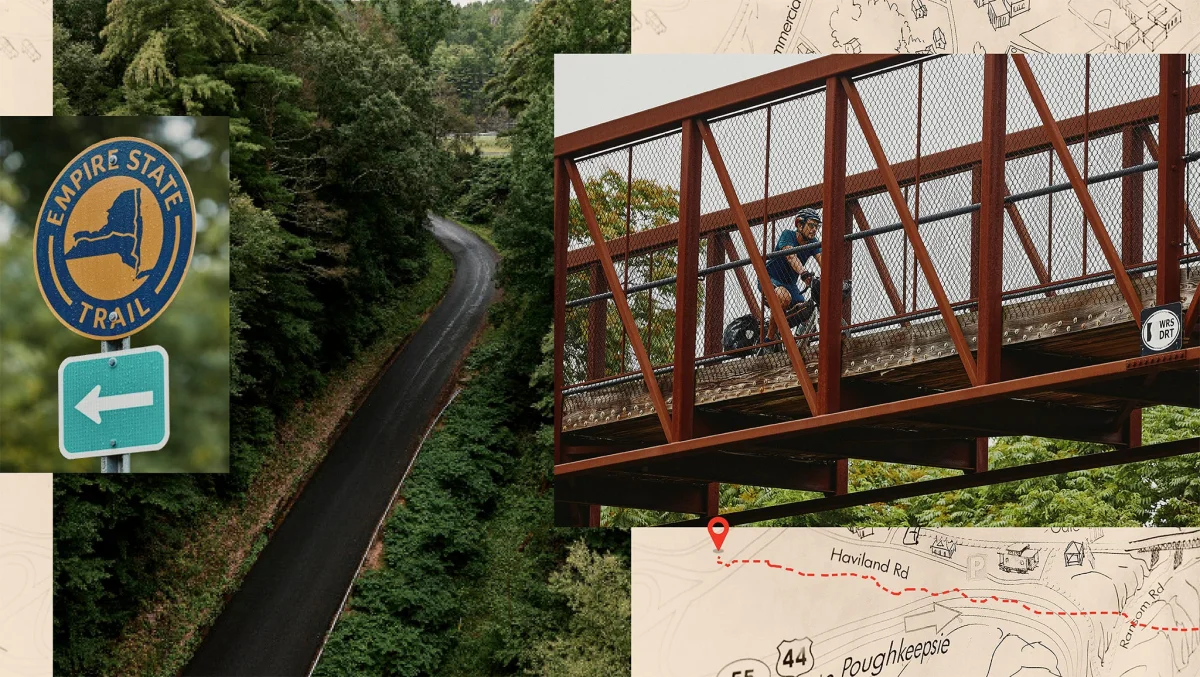
The Empire State Trail was officially completed on December 31, 2020, heralded by then-Governor Andrew Cuomo. Spanning 750 miles, with about 75% of it on car-free paths, it showcases the effort to create a network linking various sections running from Battery Park in Manhattan to the New York-Canada border. Remarkably, this multiuse trail network is the largest of its kind in the country.
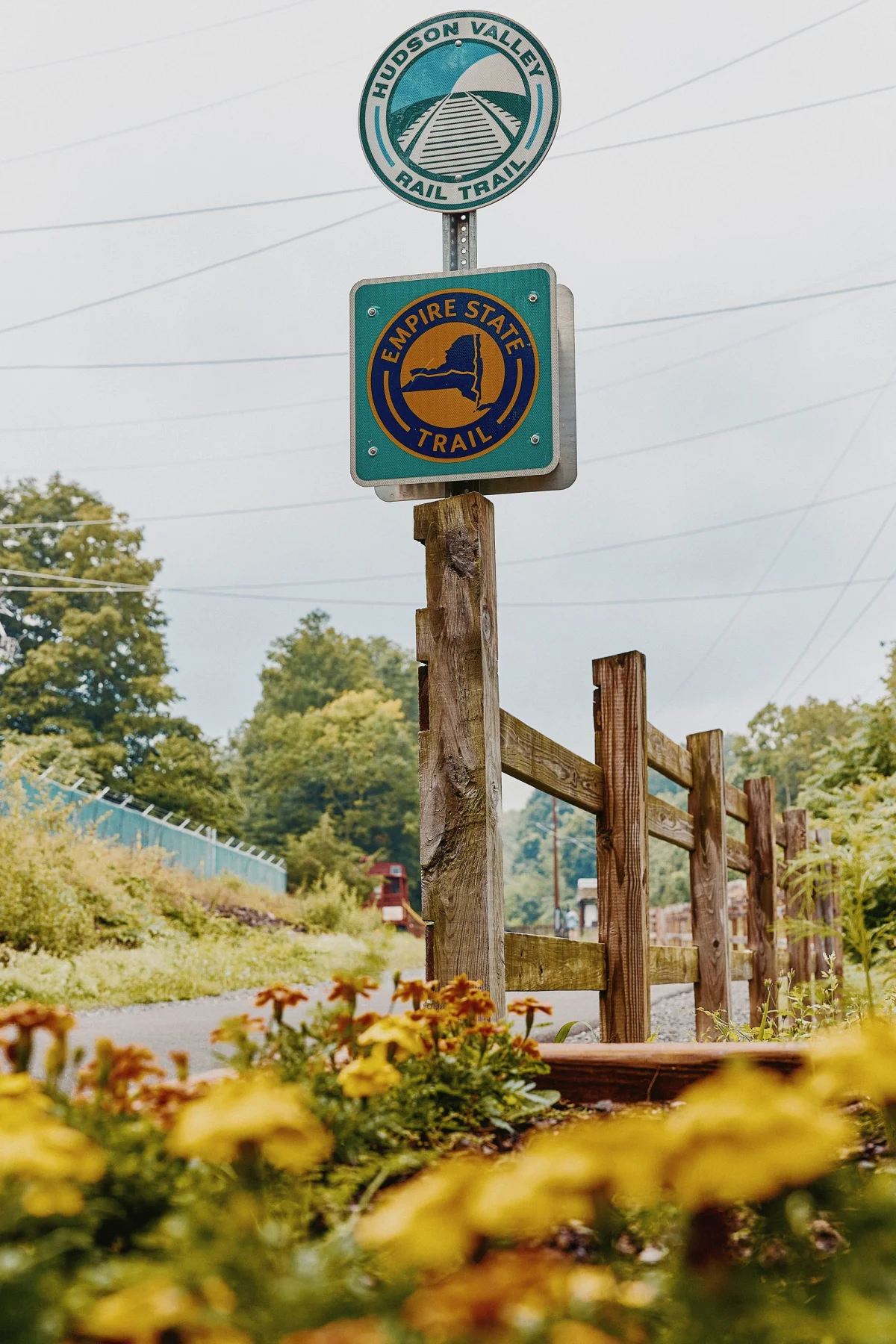
Bringing the vision of the trail to fruition took around four years and approximately $200 million, uniting various stakeholders, including local communities and the state parks department. Christopher Morris, a statewide trail planner, shared that promoting the trail has become his primary focus, and he often interacts with potential travelers looking for guidance on navigating the trail. The sense of satisfaction derived from such efforts is evident in his commitment.
While many sections predated the trail's formal designation, joining them required considerable effort to establish a continuous pathway, presenting an impressive collective achievement for New York's outdoor enthusiasts. This unique collaboration allows individuals to experience New York’s scenery while cultivating relationships with their surroundings, despite the challenges presented by the pandemic during the trail's unveiling.
In the months leading up to my trip, after spending overwhelming time indoors due to COVID-19, I felt a growing urge to break free from the confines of Manhattan. My bike—a Trek CrossRip—had become my means of escape. I began cycling through isolation-filled urban landscapes and ventured along the Hudson River Greenway, part of the Empire State Trail, bringing moments of peace and adventure as I rediscovered familiar routes.
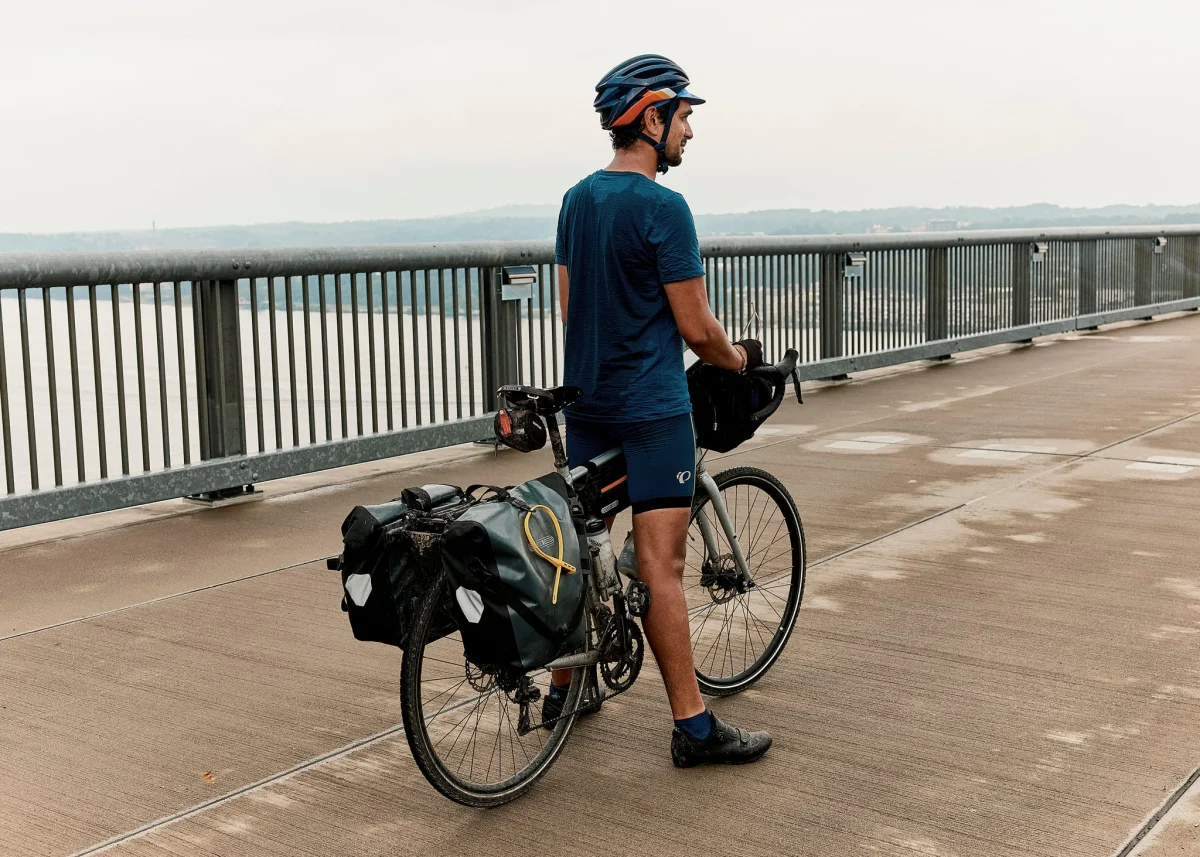
Inspired to undertake a more significant journey, I planned a 10-hour train ride from New York City to Buffalo, intending to cycle two main sections of the Empire State Trail: the Erie Canal Trailway and a series of rail trails leading back to my apartment in Harlem. The total would amount to around 550 miles of exploration. While Maggie joined for the first leg to Albany, she planned to turn back afterward, and my travels alone would commence.

As I envisioned my excursion, I meticulously researched guides and online forums, learning about the varied experiences of seasoned bike packers. Their warnings about heavily trafficked road sections and formidable mosquitoes equipped me to anticipate what lay ahead. I crafted an itinerary aiming for consistent daily mileages with rest days mixed in to balance the physical strain.

Some might argue that I was overcomplicating what seasoned riders see as straightforward. Yet, as someone still relatively new to cycling, I was still coming to understand the nuance of the sport, grappling with technical bike details while anchoring my perspective in the joy of travel. I recognized the many truths within common travel mantras: that the best experiences often arise from unpredictability, that journeys offer more potential for personal growth than destinations, and that the right companions may shape adventure's significance.
Tracing history, the Erie Canal opened in 1825 as North America's longest artificial waterway, transforming trade and settlement patterns. It symbolizes a pioneering spirit harnessed by a growing nation eager to leverage its resources to expand across vast territories. Historical analysis highlights how, even as railroads supplanted canal traffic, the labor-intensive canal construction laid the groundwork for a burgeoning capitalist economy. Today, remnants of towns along the canal speak to a diminished industrial legacy, with many abandoned buildings echoing a faded past.

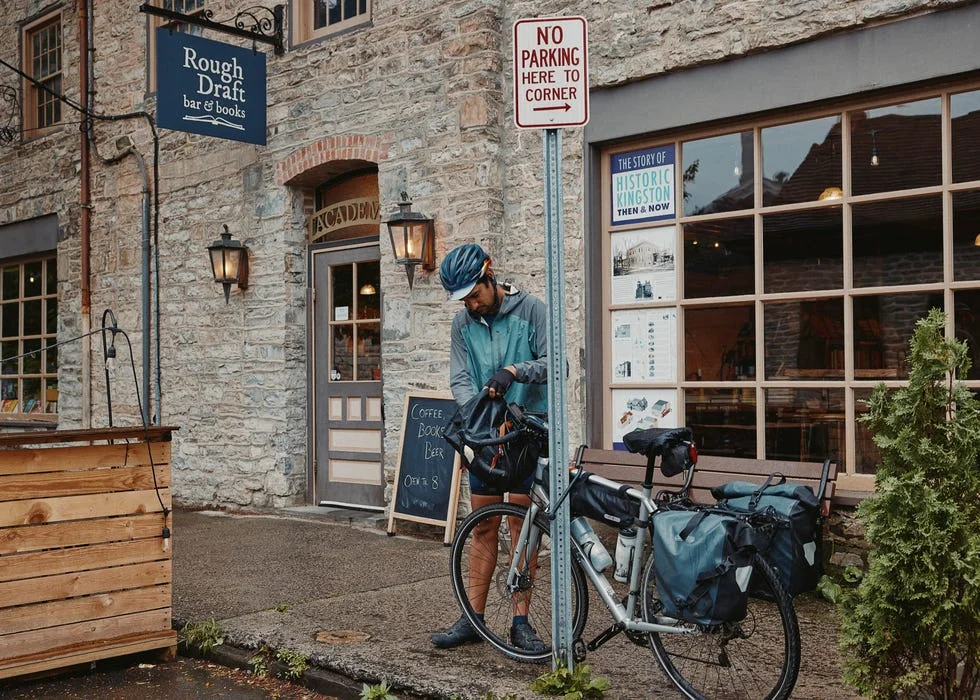
On this journey, I stopped at Brockport, a town that survives partly due to the local university. My overnight stay at a beautifully restored B&B illustrated the changing dynamics of towns along the trail. Seeing a surge of bike tourists reassured me; I wondered if this flow of weary riders could support local commerce and preserve fading communities. Conversations with local proprietors revealed that their efforts to engage with cyclists were making strides toward revitalization.

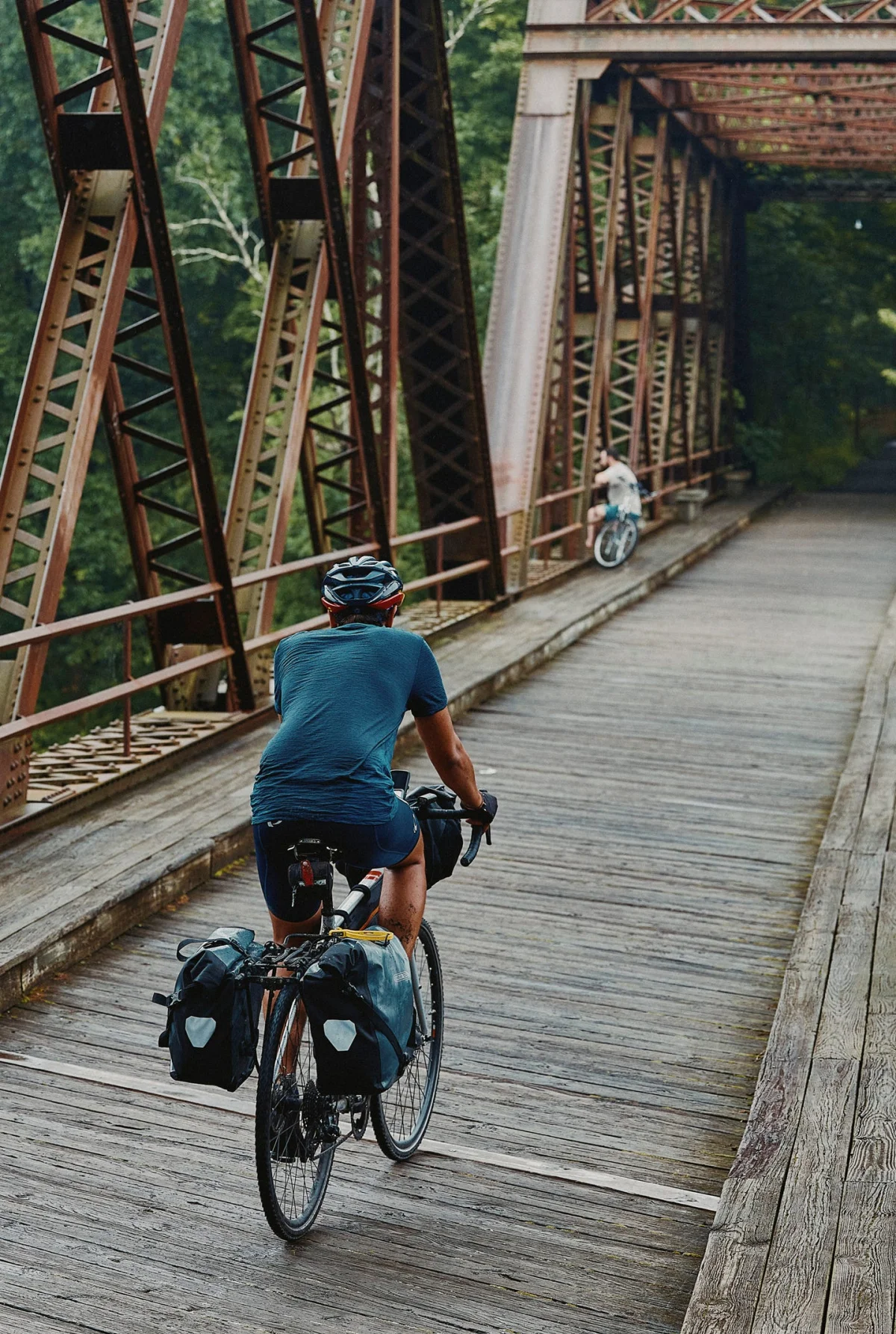
Over a week spent on the Erie Canal, Maggie and I fell into a steady rhythm, alternating conversation and silence as we immersed ourselves in nature's splendor, counting various wildlife observations along the way. On a particularly stormy descent into Fairport, we laughed at the absurdity of pedaling through mud as bystanders cheered from sheltered spots. Despite soaking wet clothes, the camaraderie with the passing pedestrians wrapped us in a warmth unique to shared experiences.
One night we camped near a lock, a perfect designated spot, though we had to make a cursory call to the lockkeeper for etiquette. Conversations with other travelers shared connections across generations, reminding us of the canal’s storied history as vessels navigated these waters in centuries past. As morning arrived, we headed toward a classic diner, where the ambience took us back, urging us to embrace the nostalgic road ahead.
Our journey culminated at Amsterdam Castle, an eccentric hotel towering above the town of Amsterdam—unique decor evoking an Arthurian theme provided a perfect ending to a varied adventure. It struck me how individual experiences can differ, leading to questions of novelty's role in our decision to travel. Had I always needed distant locations to spark excitement, or could exploration closer to home yield similar thrills?
As the trail evolved from the Erie Canal into rail trails, I transitioned from wide canal views to charming farmland and quaint towns en route to Albany. Upon leaving Maggie and tackling the eastern segment solo, I felt the startling contrast of my surroundings, prompting a change in pace, perspective, and rhythm. Here, I found myself talking to the landscape, becoming more observant and engaged in how the natural world shifted around me.
Reflecting on my trip, I recognized how community played a vital role in my experience. Cycling alongside local families, joggers, and casual adventurers, I felt a sense of belonging. Their encouragement bolstered my spirits on the ride, and the small exchanges with locals framed the journey as one more than a solitary quest. Despite the occasional difficulty navigating elevated roads and traffic-heavy sections, the trail ultimately evolved into a shared space, merging biking enthusiasts with the everyday experiences of residents.
New York State is undeniably hilly at times, with several trails crossed by challenging paths. Campsites in the Albany to NYC segment are limited, forcing reliance on more expensive hotel options. The challenging stints of climbing helped to build resilience through the fatigue of long journeys toward our final destination. Rather than rush through to NYC's allure, I embraced respite in each small township, marking a necessary pause in a city bustling with energy.
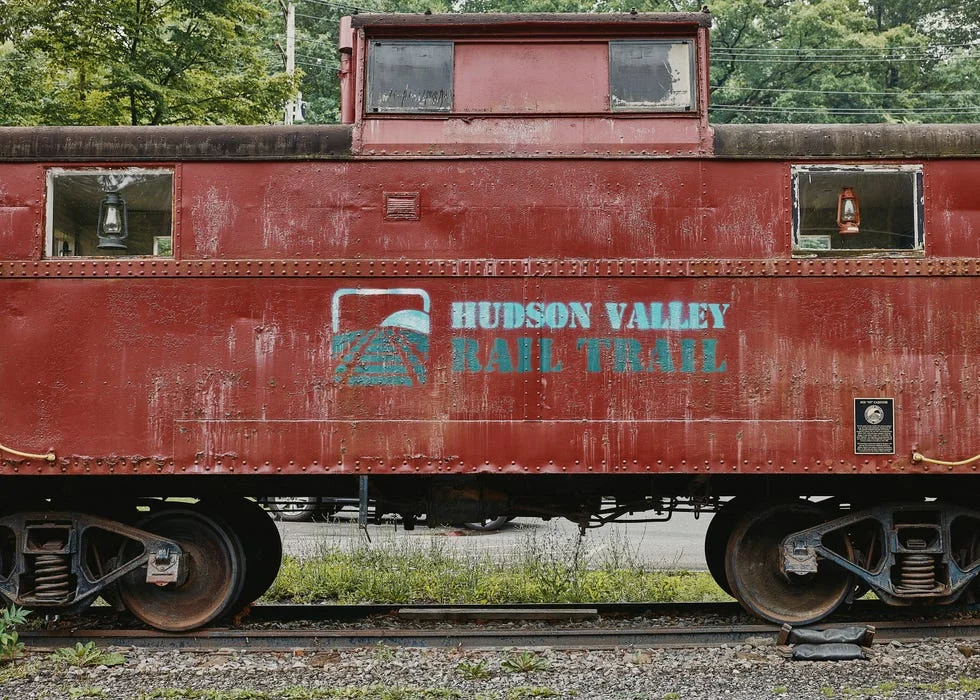
Over these eleven days, I often pondered infrastructure and travel, considering advancements designed for greater efficiency. Areas along the Hudson Valley lay stricken with ghostly remnants of railroads, now covered in bike tracks and footpaths illustrating the evolution of movement. Each moment captured—whether standing still, stretching, or drafting my thoughts along the trail—felt vibrant, marking the intricate tapestry woven throughout New York history.
As I approached my final destination, remnants of silence were replaced by cacophonous noises from highways and air traffic, pushing me to reflect on the urgency embedded in modern travel. Pondering the balance of speed and motion, I found comfort in the journey rather than the desperate pursuit of speed. The bike, an instrument for experiencing the world at a different pace, continued to beckon me forward toward my ultimate destination—an embrace of newfound understanding.
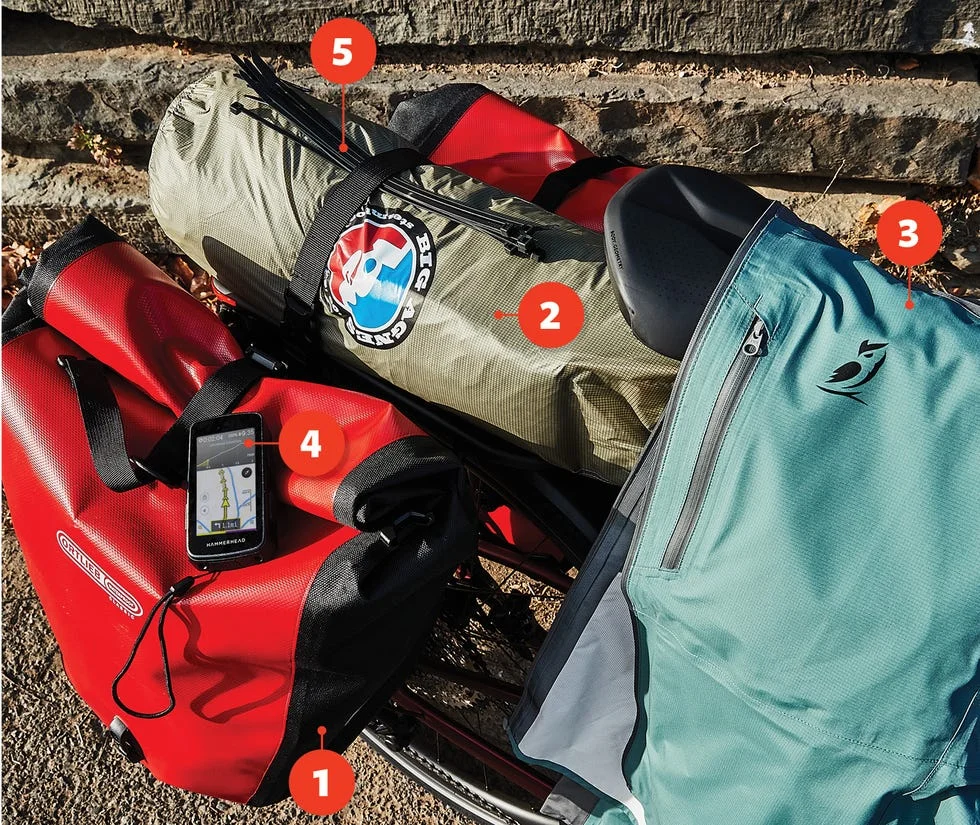
Sebastian's Must-Have Gear
As you plan a bikepacking adventure, it's essential to have the right gear to ensure safety, comfort, and convenience during your journey. Here’s a selection of must-have items that can enhance your experience:
- Bike: A versatile touring bike with capabilities for both road and off-road riding.
- Panniers: Quality bags for easy packing and access to gear on the go.
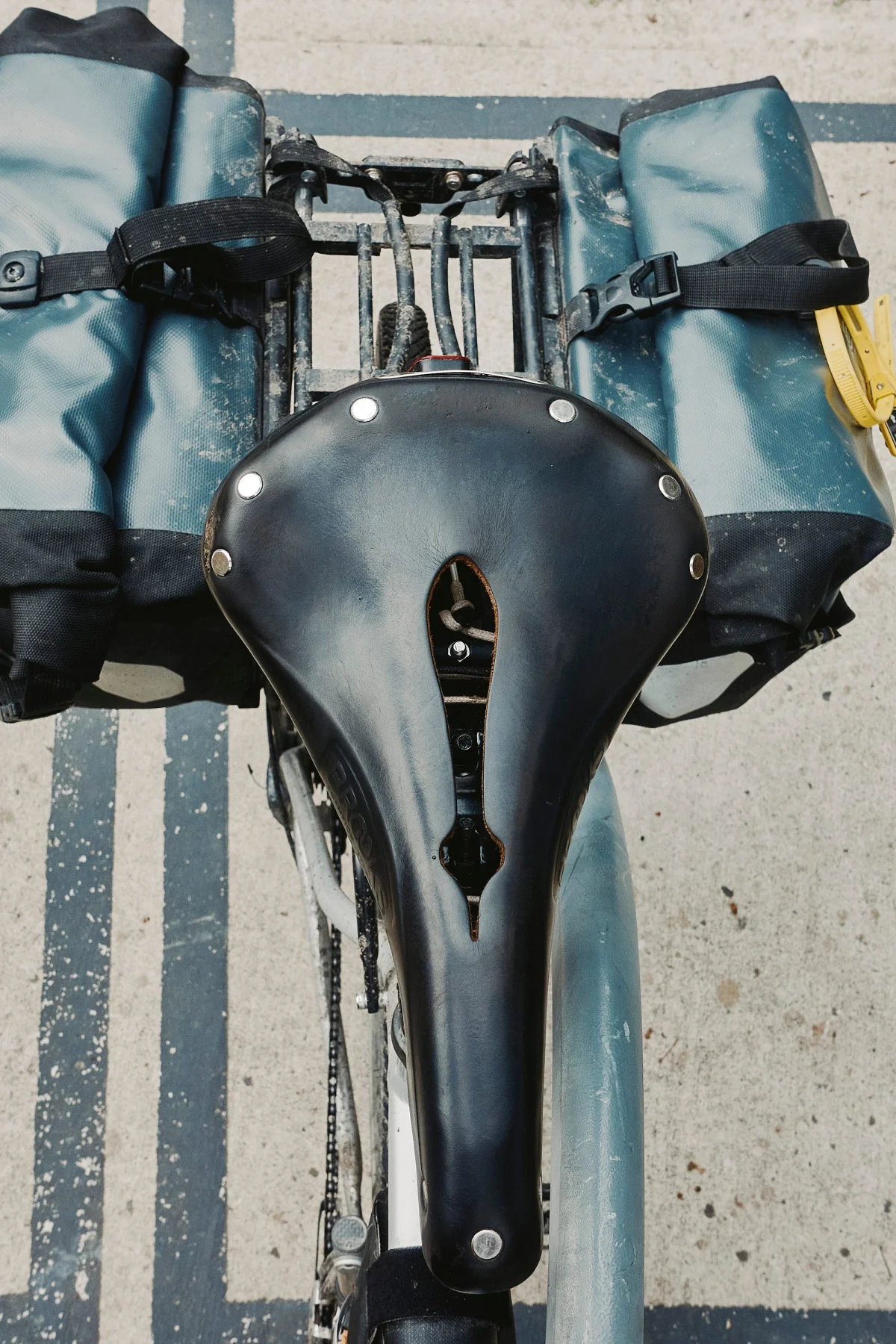
- Saddle: A comfortable saddle to support long hours in the saddle.
- Camping Gear: A lightweight tent, sleeping bag, and camping stove for overnight stays.
- Navigation Tools: Maps and a GPS device to help you explore off the beaten path.
- First Aid Kit: For any bumps or scrapes encountered along the way.
- Portable Charger: Keeping your devices powered for navigation and safety callbacks.
By equipping yourself with the right tools, you can focus entirely on enjoying the ride, the scenery, and your surrounding experiences. Happy cycling!
Sebastian Modak is a writer, editor, and photographer based in New York City. He spent 2019 circling the globe as the New York Times 52 Places Traveler, reporting from every destination on the Times’ 52 Places to Go list.


