Side A · Liner notes
Investors Fund Innovative Floating Data Centers to Meet AI's Growing Energy Demands
Nutrition · Words by Edd Gent · Released
A startup is raising funds to develop floating data centers powered by ocean waves, aiming to address the energy needs of AI technology sustainably.
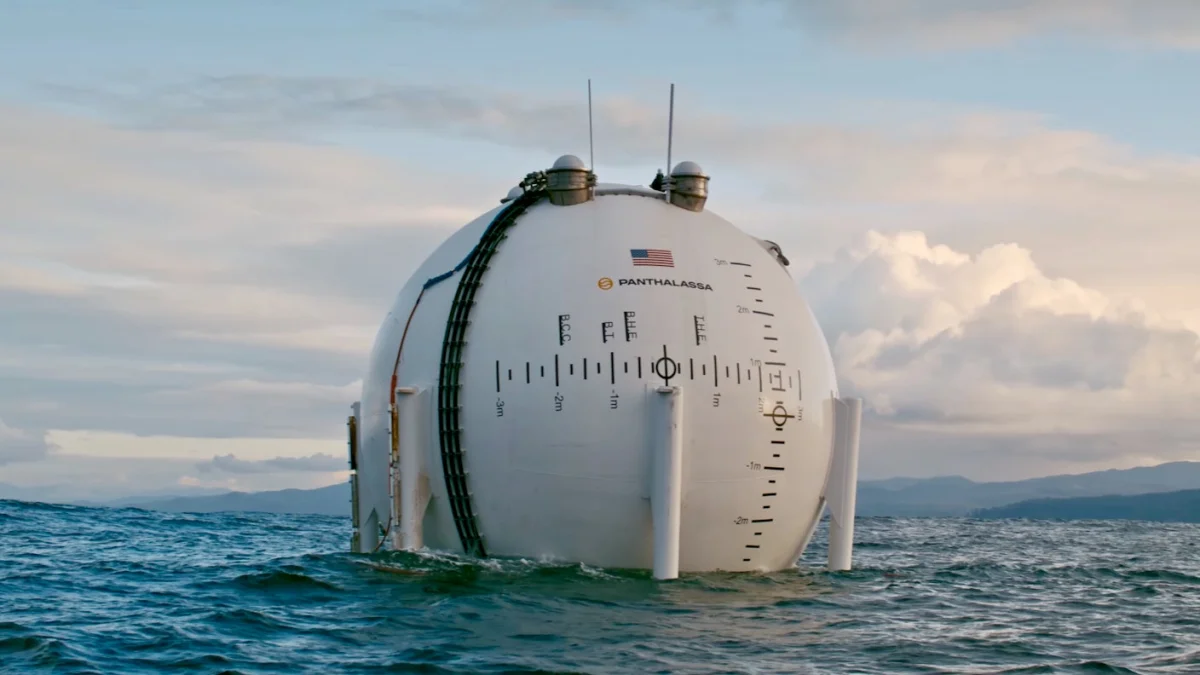
As the demand for artificial intelligence (AI) resources skyrockets, the search for new energy solutions is intensifying. One innovative endeavor making waves involves floating data centers powered by ocean waves. A recent funding round has injected $140 million into this venture, paving the way for future developments.
The tech industry is projected to invest around $750 billion in data centers this year. Yet, as these facilities multiply, a significant challenge looms: the electrical grids they depend on are under immense strain, and growth outpaces current energy production capabilities. This growing energy gap has prompted companies to explore unconventional solutions, from reviving dormant nuclear reactors to investigating next-generation geothermal options and even contemplating data centers in space.
The Vision Behind Floating Data Centers
Oregon-based startup Panthalassa is at the forefront of this floating data center concept. Backed by notable figures in Silicon Valley, including Peter Thiel of Palantir and Marc Benioff of Salesforce, these floating nodes aim to harness the power of ocean waves to generate their own electricity. The recent capital infusion will enable the company to finalize a pilot manufacturing facility near Portland and begin deploying its advanced “nodes.”
Garth Sheldon-Coulson, the CEO of Panthalassa, highlights the potential of ocean energy, stating, “There are three sources of energy on the planet with tens of terawatts of new capacity potential: solar, nuclear, and the open ocean.” His assertion underscores the ambitious goal of transforming the ocean's untapped energy into a reliable and clean power source for these data centers.
How Floating Data Centers Operate
Each node is approximately 300 feet long, designed to operate effectively in the most energy-dense wave regions. A unique feature of these systems is their buoyant, sphere-shaped tops, which float above the ocean's surface while the main section houses computer servers submerged in a tube-like structure below. As these nodes move with the ocean's waves, the up-and-down motion drives water into a pressurized chamber, where it spins a turbine to produce the needed electricity for the servers.
In addition to creating their own power, the nodes utilize the ambient seawater for cooling. This method is notably more sustainable than traditional land-based facilities, which often waste water and energy in the cooling process. Furthermore, the data centers communicate via satellite with SpaceX’s Starlink network, eliminating the need for cumbersome underwater cabling for both power and connectivity, allowing them to operate autonomously in the ocean.
Challenges Facing the Technology
While the concept is promising, significant challenges remain. Researcher Benjamin Lee from the University of Pennsylvania points out that while satellite networks solve some logistical issues, they come with limitations. Satellite communication typically offers lower bandwidth compared to the optical fiber usually employed in data centers, which could affect performance for the complex AI processing this infrastructure aims to support.
Despite these concerns, the floating data center approach shares thematic similarities with another emerging idea in Silicon Valley—orbital data centers. The latter would leverage solar energy and the cold of space to power and cool their systems. Nevertheless, implementing such orbital solutions would involve greater costs and technical complexities, positioning Panthalassa's floating strategy as potentially more feasible.
The Path Ahead and Future Deployments
As Panthalassa prepares for the next stage, the company is looking to complete its pilot facility and initiate testing of its Ocean-3 nodes in the northern Pacific later this year. Commercial deployment is slated for 2027, indicating a clear timeline for advancing this exciting technology. However, the operation and maintenance of a fleet of ocean-based data centers pose logistical and environmental challenges that could affect scalability.
If successful, this novel concept could alleviate some of the pressures on traditional energy sources and grids, helping to satisfy the increasing appetite for AI capabilities while maintaining sustainability. Given the relentless growth of AI and its reliance on robust data infrastructures, innovative solutions like floating data centers could play an essential role in addressing the future energy needs of this technology.
As developments unfold, it will be crucial to monitor the balance between technological promise and practical execution. Whether floating data centers can navigate the complexities of ocean deployment and deliver on their energy efficiency promises remains to be seen, but interest in ocean-based renewable energy solutions is likely to grow.


