Side A · Liner notes
Exploring the Viability of Orbital Data Centers: Challenges and Opportunities
Nutrition · Words by Sven Bilén and Wangda Zuo · Released
Orbital data centers present an intriguing opportunity for the future of computing, yet significant engineering challenges remain before they can become a reality.
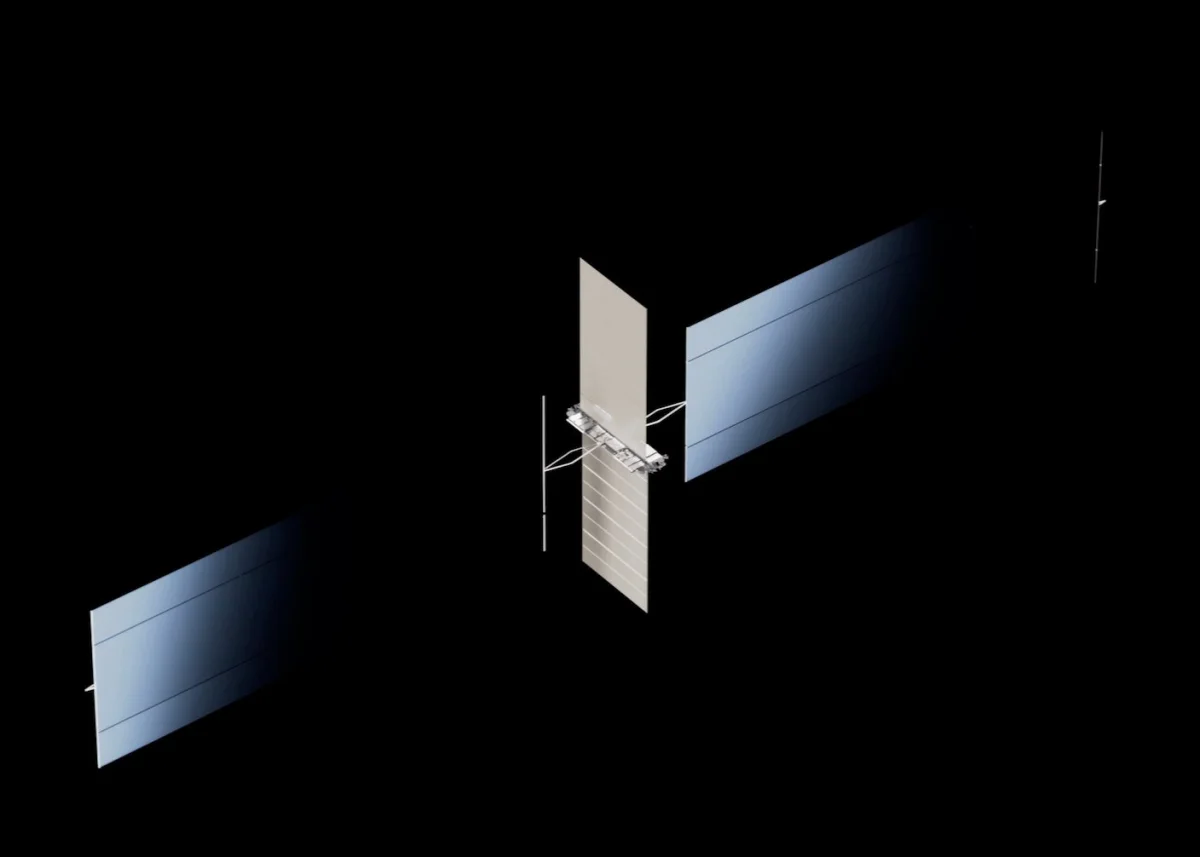
While the idea of orbital data centers sparks excitement, transforming this vision into reality requires navigating substantial technical and logistical challenges. Unlike launching satellites, creating a large-scale data infrastructure in space involves intricate planning and design, as several vital factors significantly differ between terrestrial and orbital environments.
The Attractive Proposition of Orbital Data Centers
The concept of orbital data centers is driven by the promise of abundant solar energy, reduced infrastructure constraints, and growing demands for computing driven by advances in artificial intelligence. As the push for this innovative approach intensifies, companies like SpaceX are championing the vision of a computing network in space. But this idea faces scrutiny due to the complexity inherent in operating equipment in an environment as unforgiving as outer space.
Until recently, data centers on Earth have struggled with environmental pressures, public resistance, and energy consumption. Communities often push back against the establishment of new data centers because of concerns such as land use, high electricity demands, and environmental noise. To some, a shift to orbital operations presents an appealing alternative, potentially eliminating local conflicts while meeting rising compute needs.
Understanding Earth-Based Data Center Requirements
To appreciate the challenge of building data centers in space, it helps to first grasp the fundamentals of Earth-based facilities. These data centers provide the backbone for essential services, from cloud computing to scientific research, and require significant resources:
- Power Supply: Data centers are power-hungry, needing substantial electrical input to operate servers and networking equipment. The rapid rise in AI has further escalated this demand.
- Cooling Systems: Electricity usage generates substantial heat, necessitating innovative cooling solutions to maintain optimal performance and prevent system failures.
- Physical Infrastructure: These centers require dedicated land, buildings, power backup, reliable communication networks, and maintenance access, typically located near user bases for efficient service delivery.
Effectively, data centers are vast systems integrating electrical, thermal, and structural components centered around computational hardware.
The Technical Hurdles of Space-Based Operations
The challenges of establishing orbital data centers include those related to power generation, cooling mechanisms, and space-based infrastructure development. For one, solar energy would fuel operations in space. Although solar panels can capture power, they are not foolproof. The efficiency of current technology is limited, and the positioning of the satellites can cause periods of downtime during Earth eclipses.
Cooling presents another formidable challenge. The extreme cold of space offers unique opportunities, such as the potential for waste heat to dissipate into the vacuum. Yet, heat transfer in space relies solely on infrared radiation, which occurs considerably slower than conduction or convection, creating significant obstacles for robust thermal management.
Launching and assembling these facilities would require innovative infrastructural advancements, as components cannot be sent into space intact. The entire manufacturing process would need redundant systems for in-orbit assembly and maintenance due to the expensive and complex nature of space repairs.
Infrastructure and Collision Risks
As these concepts are developed, orbital debris is an increasing concern. Putting large numbers of data centers into orbit would contribute to the congestion of space and heighten the risks associated with collisions, which could damage the infrastructure and generate even more debris. A worst-case scenario might see a collision lead to a catastrophic explosion, compounding the very problem companies aim to resolve.
Additionally, the means to transmit vast swaths of data back to Earth and between data centers will rely on advanced communication methods. In the current landscape, satellite constellations like Starlink have demonstrated possibilities, but the expected surge in data volume poses a significant hurdle that must be addressed.
The Future of Space-Based Data Centers
Despite formidable challenges, companies are undeterred. For instance, SpaceX is actively designing its “AI1 Compute Satellite,” targeting orbital data center applications. However, projections suggest that such a satellite may provide only a fraction of the computing capacity compared to established Earth-based data centers.
It’s essential to recognize that not all tasks are suited for space operations. Many applications rely heavily on proximity and low latency, which means interactions with users on Earth may suffer from delays. Initial applications for orbital data centers could focus on less time-sensitive needs, like processing satellite data or supporting specialized space missions.
The successful establishment of orbital data centers requires robust solutions to persistent engineering challenges, from thermal management to scalable communications. While promising, this vision will take time to materialize and may prioritize serving existing space operations well before integrating into conventional cloud services on Earth.
In conclusion, while the idea of orbital data centers may captivate the imagination, it ultimately hinges on overcoming significant practical hurdles. As teams continue to innovate and explore this frontier, the coming years will likely reveal whether these ambitious projects can successfully transition from concept to operational reality.
This article is republished from The Conversation under a Creative Commons license. Read the original article.


