Side A · Liner notes
New Advances in Orbital Data Centers: How Novel Tiles Aim to Manage Heat in Space
Nutrition · Words by Shelly Fan · Released
Caltech and Sophia Space have developed new tiles designed to efficiently manage heat in orbital data centers, promising a sustainable solution for AI computing demands.
As the demand for artificial intelligence (AI) computing power soars, data centers are feeling the strain—in both energy consumption and community backlash. In areas like Henrico County, Virginia, the rapid increase in data centers has led to higher electricity bills and restrictions on energy use in schools and government buildings. With over 37 data centers in the region, residents are pushing back against their presence, advocating for legislation aimed at limiting new facilities.
In light of this situation, some top AI companies are exploring the skies as a solution to their computing needs. The innovative idea of utilizing solar-powered satellites orbiting Earth for computing tasks is gaining traction. These future orbital data centers could process requests and return results to users without any of them needing to realize they’re relying on efforts in space. However, there’s a significant challenge: managing heat.
The Heat Challenge
Despite space’s frigid vacuum, pairing it with computing technology complicates thermal regulation. Unlike terrestrial data centers, which use air and water for cooling, orbital systems would have to rely on thermal radiation to dissipate heat. This fundamental constraint leads to the necessity for bulky radiators, which complicate design cycles and increase weight, cost, and complexity.
In response to these technical hurdles, innovators from the California Institute of Technology (Caltech) and Sophia Space, a startup focusing on orbital computing, are developing a solution known as the Sophia TILE. They have recently patented a chip cooling system that allows heat to radiate directly into the vast expanse of space. Instead of simply devising methods to beam energy back to Earth from orbit, this approach envisions moving computing power into space where energy is abundant and utilizing it more efficiently.
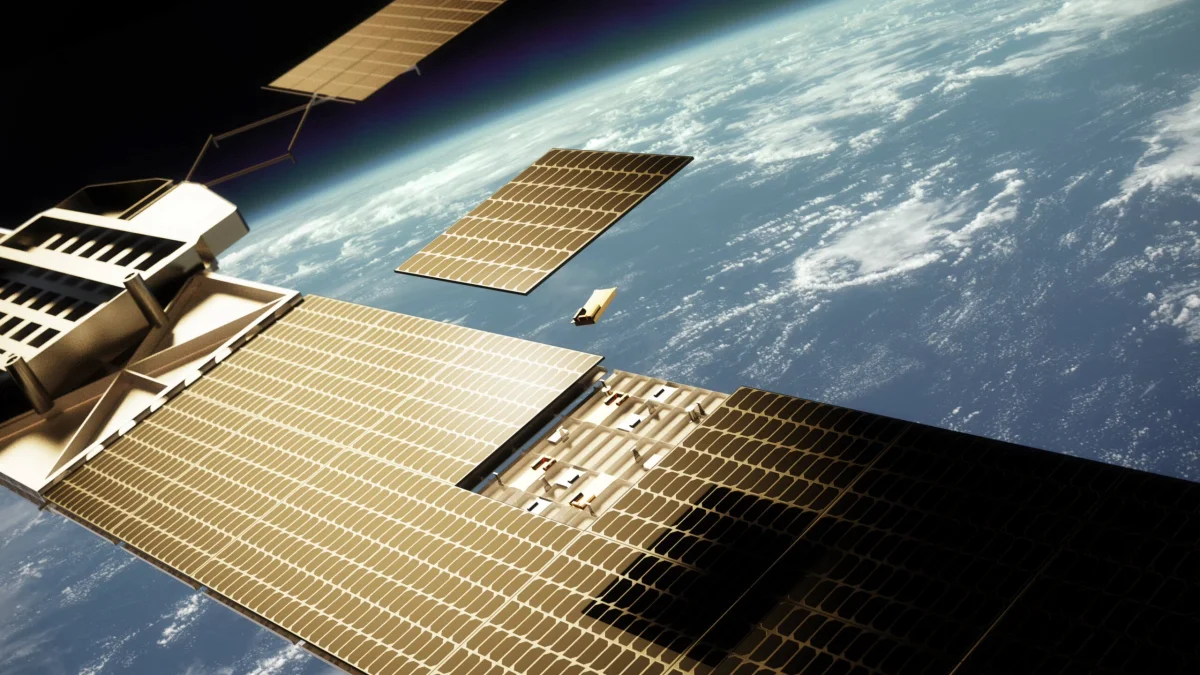
The TILE technology incorporates solar cells and thermal insulation with processors and optical communication hardware into a single system. The goal is to create thousands of interconnected TILEs that can form large orbital data centers or smaller clusters, thereby facilitating efficient energy use.
Working Principles of the TILE System
The unique concept behind SOLAR TILE is based on careful management of heat. Each TILE is designed with a heat-spreading layer that prevents hot spots and ensures uniform heat distribution. The innovative structure combines all the necessary components into a streamlined module, enabling each TILE to radiate excess heat as infrared energy, making effective use of space without unnecessary weight.
This modular design presents significant advantages for the launch phase. Unlike traditional setups that rely on rigid structures, the TILEs can be compactly arranged for launch, unfurling in orbit to create a considerable computing platform. This flexibility could allow the launching of multiple arrays in sequence, akin to strings of pearls, enabling them to function independently while exchanging data with one another.
The Benefits of Space-Based Power
Historically, solar panels have been employed in space missions, powering everything from the International Space Station to satellites. However, the energy needs of AI applications far exceed those of typical spacecraft. Research indicates that around 70% of the American public opposes new data centers located close to home, and experts contend that addressing AI’s energy demands solely on Earth will become increasingly unsustainable. By moving computing resources into space, the TILE system not only seeks to mitigate rising energy concerns but also strives to make the most of the abundant solar energy available above.
Future Considerations and Challenges
While the TILE system holds promise for orbital data centers, practical challenges remain. The orbital environment is crowded with spacecraft and debris, raising potential safety risks and necessitating careful navigation strategies to avoid collisions. SpaceX’s Starlink satellites frequently perform avoidance maneuvers, pointing to the complexity of operating a network of data centers in such a congested area. Moreover, the risk of space debris, like that caused by the breakage of a Chinese Long March rocket, could pose hazards, not only to operational satellites but also to future data centers.
Additionally, the increasing number of satellites and other space assets may interfere with astronomical observations, leading scientists to express concern about the implications of widespread satellite networks. Consequently, while orbital data centers may not completely replace ground-based facilities, they might serve as a complement, processing data sourced from satellites and transferring essential findings back to Earth.
Looking Ahead
Despite the hurdles, the interest in orbital data centers continues to grow, with companies like SpaceX, Starcloud, and Blue Origin seeking regulatory approval for their own projects in space. In particular, Sophia Space has set a timeline for a demonstration mission by late 2027, with estimates suggesting an array of 2,000 TILEs could yield around one megawatt of computing power.
This development trajectory illustrates the urgent need to balance technological advancements with sustainability. While AI's energy demands escalate, moving computing resources into orbit presents a proactive approach to meeting those needs, without adding to the burdens faced by communities on the ground. As this space program evolves, it may signify a monumental shift towards a more sustainable technological landscape.
Experts are optimistic: “It’s just kind of exploding,” remarked Sergio Pellegrino, a Caltech engineer collaborating with Sophia Space. As momentum builds, the future of computing may well lie among the stars, showcasing human ingenuity in harnessing energy more efficiently while addressing earthly challenges.


