Side A · Liner notes
Navigating the Complex Journey of Antibody-Drug Conjugates in Cancer Treatment
Nutrition · Words by Kathy Vuksanaj · Released
Antibody-drug conjugates (ADCs) hold promise in targeted cancer therapies, yet their development is a complex, multi-step process demanding meticulous optimization.
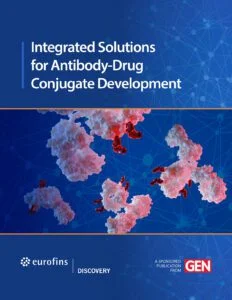
Antibody-drug conjugates (ADCs) merge the precision of monoclonal antibodies with the efficacy of targeted small molecule therapeutics. This combination allows for direct delivery of potent drugs to cancer cells while reducing exposure to healthy tissues, thereby minimizing side effects. Given their potential to selectively destroy cancer cells and facilitate targeted protein degradation, the uptick in ADC interest has been notable, reflected in numerous FDA approvals and over 100 ADCs currently making their way through clinical trials. Yet, despite their promise, ADC development remains intricate and is often characterized by empirical approaches requiring careful refinement across multiple dimensions.
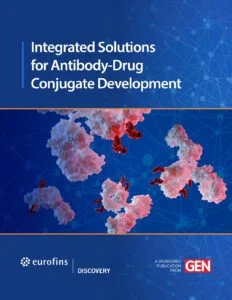
Understanding the ADC Development Process
The development of an ADC starts with several key components: linker design, payload selection, and bioconjugation processes. Each of these stages is crucial in determining the overall efficacy and safety of the final product. For instance, the choice of linker can significantly influence how well the drug remains attached to the antibody and how it releases the therapeutic payload once inside the target cell. Different linker types—such as cleavable linkers that respond to specific enzymes or conditions, and non-cleavable ones that rely on drug degradation to release the therapeutic agent—can deeply impact an ADC’s performance.
Eurofins Discovery is one of the companies leading the charge in developing these complex therapies. They offer vast expertise in linker technology, including development of protease-sensitive, glycosidase-sensitive, and pH-sensitive linkers. These innovative techniques allow researchers to create ADCs tailored for various pharmacokinetic profiles, which can enhance their effectiveness and stability. Manufacturing of payloads also occurs in specialized high-containment facilities to ensure safety while handling these highly potent compounds. With numerous conjugation options available, it is possible to craft ADCs with varying drug-to-antibody ratios (DAR), providing greater flexibility in design and application.
Purification and Characterization: Ensuring Quality Control
Following the conjugation phase, ADCs undergo critical purification processes to eliminate unconjugated antibodies and residual linker-payload materials. These purification steps utilize advanced chromatography techniques, such as high-performance liquid chromatography (HPLC), which is vital in producing highly pure ADC formulations. The significance of purity cannot be overstated; it directly influences the reliability of subsequent analyses and, ultimately, the assessment of the ADC’s effectiveness in clinical settings.
Once purified, DAR analysis comes into play. Using high-resolution liquid chromatography-mass spectrometry (LC-MS), scientists confirm the incorporation efficiency of the linker-payload. This sophisticated technique not only identifies the specific DAR species present but also provides insights into the homogeneity of the ADC. Understanding these characteristics is essential for ensuring consistency in the product, as variations can affect both the safety and therapeutic potential of the ADC.
Biological Evaluation: From Lab to Clinic
The final step in ADC development focuses on thorough characterization through a combination of biochemical, functional, and cytotoxicity assays. These assessments rely on both in vitro and in vivo studies to evaluate binding capabilities, biological functions, and therapeutic effects. By collecting data across these dimensions, researchers can pinpoint the most promising ADC candidates suited for further development.
Eurofins Discovery's integrated platform supports the ADC development process from start to finish, encompassing linker-payload design, analytical characterization, and functional assessment. This comprehensive approach capitalizes on the combined expertise in chemistry, biochemistry, and antibody technology, helping developers to navigate the various challenges inherent in creating successful ADCs. By emphasizing risk mitigation and efficiency, Eurofins accelerates the progression from concept to clinical application, ultimately aiming to enhance ADC safety, efficacy, and manufacturability.
In conclusion, while antibody-drug conjugates represent a significant advancement in targeted cancer treatment, their development is far from straightforward. It is a multi-faceted journey that requires careful consideration at every stage, from initial design to final validation. As more ADCs enter clinical trials, ongoing research and innovation will be crucial in unlocking their full potential, offering new hope in the fight against cancer.
The post ADC Development from Concept to Clinic appeared first on GEN - Genetic Engineering and Biotechnology News.