Side A · Liner notes
Building a Sustainable Infrastructure for Effective Cell and Gene Therapies
Mental Health · Words by Kathy Vuksanaj · Released
Insights from The Cell Summit '26 highlight the need for a coordinated ecosystem in cell and gene therapy to ensure efficient patient treatment and sustainable delivery.
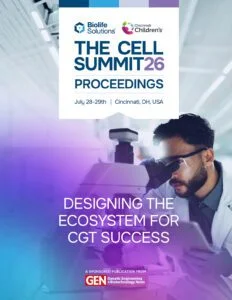
Preserving the Promise: Insights from The Cell Summit ’26
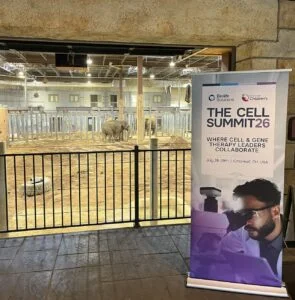
In July 2026, the landscape of cell and gene therapy (CGT) was under the spotlight at The Cell Summit in Cincinnati, Ohio, hosted by BioLife Solutions. This gathering united leaders and experts from various sectors of the CGT field with a clear purpose: to address the hurdles that impact the transition from scientific potential to effective patient outcomes.
The Progress We’ve Made
Cell and gene therapies have already proved their scientific capability. Treatments such as CAR T cell therapies and novel gene therapies have made strides that were once seen as beyond reach. However, the challenge now lies not only in creating these innovative therapies but also in ensuring they can be delivered effectively and sustainably to those in need.
Scaling Up: The Next Challenge
As highlighted by Dr. Steven Thompson in his opening remarks at The Cell Summit, the crucial question isn’t just whether these therapies can deliver results, but whether the industry can construct a system that facilitates the reliable delivery of these treatments. This encompasses transforming scientific innovations into accessible care that leads to durable patient outcomes and a financially viable model for therapy providers.
Group Discussions on the Ecosystem
The dialogues at the summit drew participation from a diverse array of stakeholders, including scientists, developers, clinicians, and logistics experts. Discussions were deepened through focused roundtable sessions on critical issues affecting the CGT pathway, including:
- Scaling production capabilities
- Establishing effective logistics
- Ensuring readiness in manufacturing
- Fostering partnerships with contract development and manufacturing organizations (CDMOs)
- Navigating commercialization strategies
- Addressing reimbursement for rare diseases
- Simplifying public perception of CGT
Consensus emerged that achieving success in CGT is fundamentally about system integration rather than isolated advancements. The various components—manufacturing, logistics, reimbursement, and care delivery—must work in synergy.
The Interconnected Nature of Success
The roundtable discussions reinforced a critical insight: scale represents more than a singular focus. It is about creating an operating system where manufacturing outputs, reimbursement pathways, patient care, logistics, and partnerships operate harmoniously. Any disruption along this continuum can delay patient treatment and destabilize the commercial viability of these therapies.
A Fragile Chain
For instance, a therapy manufacturer might successfully create a product but if a treatment center lacks readiness, the anticipated patient access is thwarted. Similarly, if a treatment center is prepared but reimbursement issues arise, it could halt the entire process. Therefore, each area—manufacturing, logistics, and funding—must be primed to interplay effectively, ensuring that breakthroughs in therapy translate into actual patient care.
Connecting the Dots for Improved Outcomes
Conversely, when all components align, a more streamlined system emerges whereby eligible patients can receive timely treatments, resource allocation is optimized, and the overall economic model becomes sustainable. The potential in CGT lies in not just optimizing each function, but also in meticulously designing the interfaces that connect them.
Insights for the Future
The proceedings from The Cell Summit ’26, created in collaboration with GEN (Genetic Engineering & Biotechnology News) and Cincinnati Children’s Hospital, encapsulate the discussions and insights from the event. These proceedings serve as a resource to continue the conversation beyond the summit and focus on the collective efforts required for advancing CGT from scientific achievement to reliable therapy delivery.
Collaboration as a Cornerstone
The inaugural summit in 2025 emphasized the importance of collaboration in pushing the frontiers of cell therapy. This year's discussions strengthened the notion that collaboration isn't an optional benefit; rather, it's critical for the advancement of CGT.
Success Defined by Patient Outcomes
A successful therapy should not merely be one that completes the manufacturing process but one that reaches patients and fulfills its intended purpose. As the CGT community continues to evolve, fostering dialogue and challenging conventional approaches will be essential in designing an ecosystem for CGT that is as thoughtfully crafted as the therapies themselves.
A heartfelt thank you is extended to all speakers, roundtable leaders, and attendees for their contributions to The Cell Summit ’26, which paved the way for this important dialogue.
The post Designing the Ecosystem for CGT Success first appeared on GEN - Genetic Engineering and Biotechnology News.