Side A · Liner notes
Understanding Spinach: Nutritional Benefits, Risks, and Best Preparations
Nutrition · Words by Ocean Robbins · Released
Spinach is nutrient-rich and offers various health benefits, but it's essential to understand its potential risks and preparation methods for maximum health advantages.

Spinach is more than just a cartoon hero's fuel; it’s a nutrient powerhouse packed with a variety of health benefits. While traditional portrayals may suggest that eating spinach in copious amounts grants instant strength, research reveals a more nuanced understanding of how this leafy vegetable contributes to health. Let’s explore its origins, types, nutritional benefits, potential risks, and delicious ways to prepare this versatile green.

Origins and Growth of Spinach
Spinach (Spinacia oleracea) likely started its journey in ancient Persia, now modern-day Iran, before spreading to other regions. Historical records show its cultivation as far back as the seventh century in China and the fourteenth century in Europe, aided by its introduction to Spain by the Moors. Currently, California, Arizona, New Jersey, and Texas account for about 98% of the fresh market spinach grown in the U.S., with the country being the second largest producer globally, following China. In fact, China alone produces an astonishing 28 million tons annually, dwarfing the U.S. output of under half a million tons.
If you're interested in gardening, spinach is a reliable plant suitable for various climates, thriving when planted in early spring and even in cooler fall or winter conditions in some areas.
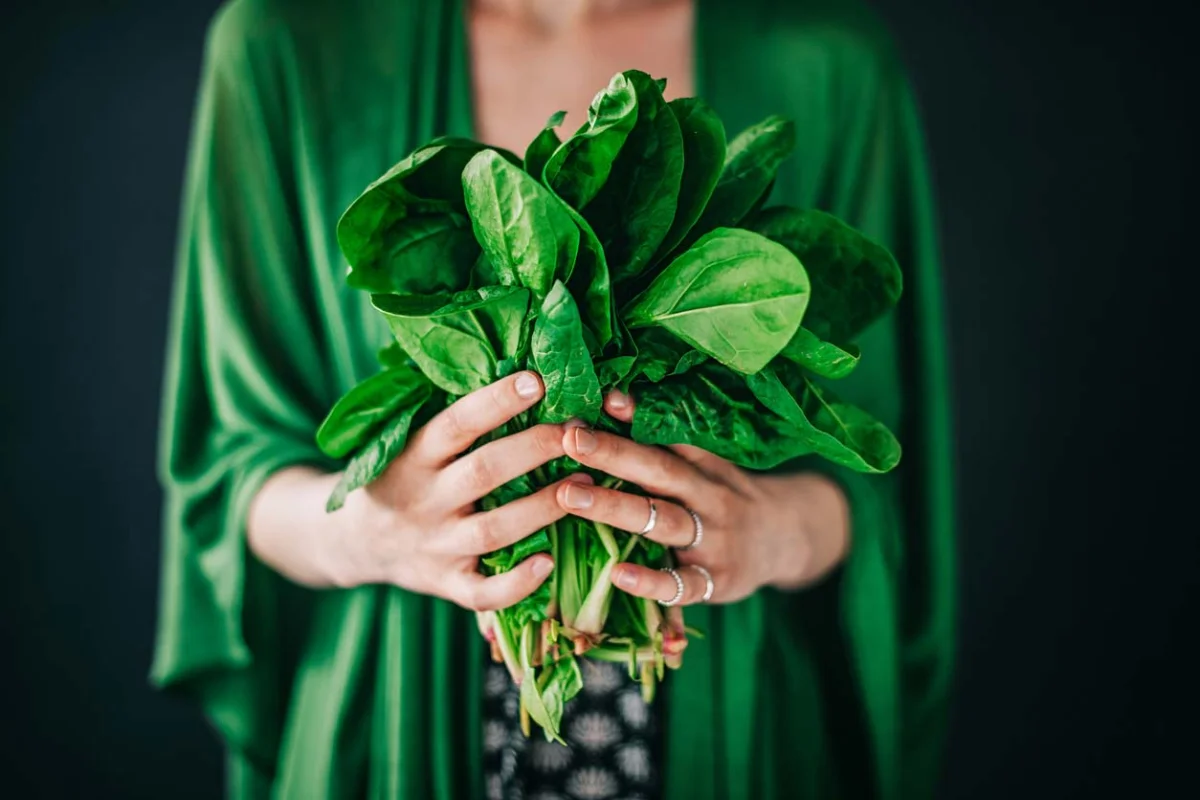
Diverse Types of Spinach
There are three primary types of spinach available, each with its own characteristics:
- Flat-leaf or smooth spinach: This variety is commonly found in grocery stores and is often used in pre-packaged salad mixes. It has a sweet and tender taste that works well both raw and cooked, with popular varieties including Space and Red Cardinal.
- Savoy spinach: Recognizable by its crinkly leaves, savoy spinach has a more bitter flavor when raw. Cooking typically enhances its palatability, with varieties such as Regiment and Bloomsdale being favorites.
- Semi-savoy spinach: This variety shares similarities with savoy but features a less pronounced crinkle, making it easier to clean. It has similar flavors to regular savoy and includes types like Tyee and Catalina.
Rich Nutritional Profile of Spinach
Spinach isn't merely a cartoon character's choice; it’s loaded with essential nutrients—over twenty key vitamins and minerals. Notably high in antioxidants, spinach contains 13 flavonoids which contribute to its health properties. Just a half cup of cooked spinach presents a significant nutritional benefit, offering around 370% of your daily recommended intake of vitamin K1, 52% of vitamin A, and a considerable amount of magnesium, potassium, iron, and vitamin C. It even provides about 2.7 grams of protein in just 21 calories, comparable to protein found in beef.
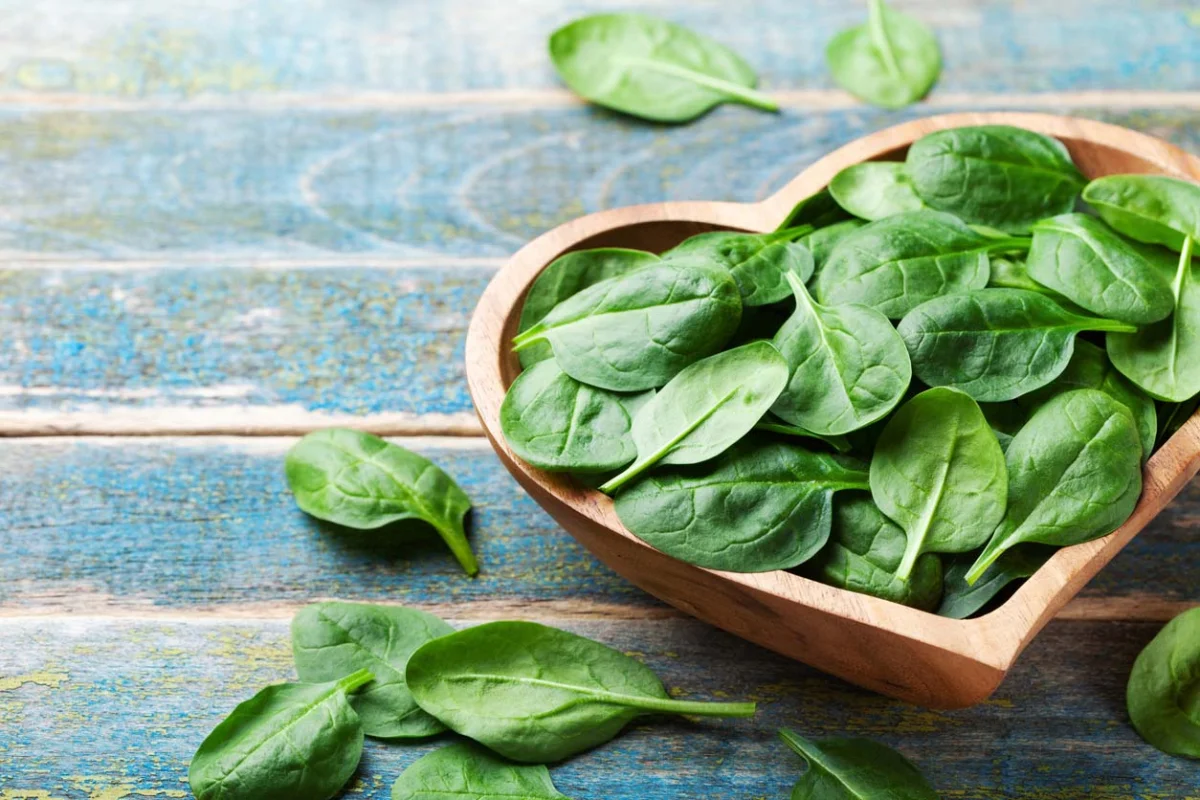
Health Benefits of Spinach
The combination of nutrients and natural compounds in spinach provides a variety of health benefits, making it one of the healthiest foods available:
1. Potential Anti-Cancer Properties
Some studies suggest that spinach may help reduce the risk of certain cancers, particularly breast, colon, and esophageal cancers. A significant epidemiological study from 1997 noted that women who consumed carrots or spinach more than twice a week had a 44% lower risk of breast cancer compared to those who didn't consume these vegetables. The antioxidant lutein found in spinach plays a role in these protective effects.

2. May Aid in Managing Metabolic Syndrome
Metabolic syndrome is linked to higher risks of chronic diseases, including heart disease and type 2 diabetes. Research indicates that spinach consumption might help mitigate some of these risks. Initial studies on rodents demonstrated improved cholesterol levels, reduced inflammation, and better heart health when spinach extract was included in their diets. Subsequent research on humans with non-alcoholic fatty liver disease (NAFLD) showed that higher spinach intake correlated with lower chances of developing the condition.
3. Mood Enhancement
Some research indicates that spinach consumption may positively affect mood. A study examining the mental health impacts of raw versus processed fruits and vegetables found dark leafy greens like spinach strongly correlated with better mental health outcomes. Moreover, research involving a powdered spinach extract showed increased levels of glutamate and glutamine in the brain, which are important for mental well-being.

4. Cognitive Health
Regular consumption of spinach might help slow cognitive decline in aging adults. A study in Neurology revealed that one serving of green leafy vegetables a day was associated with notably slower cognitive deterioration. In fact, the cognitive decline rate of those consuming the most greens was akin to being eleven years younger than those consuming the least.
5. Enhanced Physical Performance
Spinach contains ecdysterone, a naturally occurring steroid hormone that has shown potential for boosting strength and performance in physical activities. A study indicated that the effects of this is significant enough to consider ecdysterone for prohibition in competitive sports. In addition, nitrates found in spinach have been linked to improved muscle strength, as evidenced by animal studies.

6. Eye Health Benefits
The carotenoids lutein and zeaxanthin found in spinach are vital for eye health, linked to a reduced risk of cataracts and age-related macular degeneration. A small study suggested that consuming lutein-rich spinach raised blood lutein levels and visual acuity.
Possible Health Risks of Spinach
While spinach has numerous health benefits, there are also potential downsides that some individuals should consider:

1. Presence of Oxalates
Spinach contains oxalic acid, which can bind with essential minerals, making them less available for absorption. Although most oxalates are not absorbed and do not pose issues for the general population, individuals prone to kidney stones might be advised to limit their spinach intake. This applies especially to those following low-oxalate diets due to conditions like kidney disease. Staying hydrated may ease concerns regarding kidney stones.
2. Interaction with Medications
High vitamin K1 levels in spinach can interfere with blood-thinning medications like Warfarin. It’s important for those on such medications to maintain a consistent intake of vitamin K1-rich foods rather than eliminating them altogether, and discussing dietary habits with a healthcare provider is recommended.

3. Pesticide Contamination
Spinach is frequently cited as one of the most pesticide-contaminated crops when grown conventionally. Opting for organic spinach can help minimize pesticide ingestion.
Choosing and Storing Spinach
When shopping for spinach, consider the following:

- Select vibrant green bunches without yellowed or wilted leaves.
- Avoid spinach that appears slimy, as it is likely spoiling.
- If possible, prefer fresh spinach over bagged varieties to avoid sogginess and plastic contact.
- Frozen spinach is a nutritious option as it retains most nutrients after being frozen.
- Canned spinach is inexpensive, but choose BPA-free cans when purchasing.
Upon bringing spinach home, store it in the fridge in produce bags or airtight containers. Avoid washing it until you're ready to eat, as moisture can promote bacterial growth. If necessary, you may wash non-organic spinach in water mixed with baking soda to help remove surface pesticides.
Creative Ways to Use Spinach
Spinach can enhance a variety of dishes. Many people enjoy it raw, tossing it in salads, incorporating it into dips, adding to smoothies, or cooking it in soups and stews. When cooked, spinach can be added to pasta dishes, stir-fries, and breakfast scrambles. Cooking methods include boiling, steaming, sautéing, or microwaving. Interestingly, steaming or microwaving spinach may yield higher levels of water-soluble B and C vitamins compared to boiling, as cooking can also increase some minerals' bioavailability.

Delicious Spinach Recipes
Here are a few recipes showcasing spinach's versatility:
1. Spinach Artichoke Dip
Combining spinach, artichokes, and cashews creates a creamy, indulgent dip rich in vitamins and minerals. This dish works as a dip or a spread and is incredibly simple to prepare.
2. Spinach Jeweled Salad
This colorful salad entices both kids and adults, featuring a Superhero Dressing made with spinach and avocado along with pomegranate, nuts, and seeds for a nutritious boost.
3. Cheesy Spinach Lasagna
A family-friendly meal that hides leafy greens within a cheesy lasagna, aimed at pleasing even the pickiest eaters while promoting healthier eating habits.
The Bottom Line: Embrace Spinach for Better Health
Popeye’s admiration of spinach seems justified: this leafy green is indeed healthy and provides numerous benefits. However, moderation is key for those who might face certain dietary restrictions. Aim for organic spinach to minimize pesticide intake, and know that whether served fresh, frozen, or canned, spinach offers exceptional nutritional value and is available year-round in many parts of the world. Incorporating spinach into your diet is a delicious and straightforward way to boost your health. So next time you’re at the grocery store or farmer’s market, don’t hesitate to stock up on this nutritious green!
Engage with Us:
- What are your favorite spinach dishes?
- If you’ve shied away from spinach before, will you consider introducing it to your meals now?
- Have you ever grown spinach at home, or tried various types?
Feature image: iStock.com/Kativ
Related Reading:
- Vitamin K: Benefits and Sources
- Essential B Vitamins and Their Sources
- The Importance of Vitamin C for Immune Health
Refresh your perspective on spinach and consider ways to incorporate more of this remarkable green into your daily meals for improved health and wellness.


