Side A · Liner notes
Understanding Calcium: Daily Needs, Sources, and Myths
Nutrition · Words by Ocean Robbins · Released
Calcium is essential for health, but its best sources, daily requirements, and the myths surrounding it deserve closer examination.

Many people first encounter the idea of calcium from catchy advertising campaigns, like the well-known “Got milk?” slogan. While dairy has been promoted as the primary source of calcium, this message raises questions about whether it is indeed the best way to obtain this vital mineral and what role calcium plays in overall health.

Calcium's Role in Health
Calcium is an essential mineral predominantly found in bones and teeth, giving them strength and structure. The body requires calcium for several critical functions:
- It facilitates communication between the brain and nerves.
- It aids muscular movement.
- Calcium helps transport hormones and enzymes throughout the bloodstream.
- It contributes to maintaining healthy muscle and nerve function.
- Calcium plays a role in regulating blood pressure.
Additionally, calcium is crucial for heart function, enabling the heart muscle to contract effectively. Its importance cannot be overstated, as every cell in the body requires calcium for proper functioning.

How Much Calcium Should You Get?
The Recommended Dietary Allowance (RDA) for calcium varies by age, gender, and life stage. The National Institutes of Health (NIH) provides the following guidelines:
| Birth to 6 months | 200 mg |
| Infants 7–12 months | 260 mg |
| Children 1–3 years | 700 mg |
| Children 4–8 years | 1,000 mg |
| Children 9–13 years | 1,300 mg |
| Teens 14–18 years | 1,300 mg |
| Adults 19–50 years | 1,000 mg |
| Adult men 51–70 years | 1,000 mg |
| Adult women 51–70 years | 1,200 mg |
| Adults 71 years and older | 1,200 mg |
| Pregnant and breastfeeding teens | 1,300 mg |
| Pregnant and breastfeeding adults | 1,000 mg |
Children and teens aged 9-18 years require the highest intake at 1,300 mg daily, while pregnant and nursing women also have increased calcium needs. Comparative recommendations indicate that guidelines may differ between countries, with non-lactating adults in the UK recommended to consume only 700 mg of calcium per day.

Myths and Controversies Regarding Calcium
Despite the abundance of information on calcium on social media and health reporting, common myths still circulate. Much of this misinformation can stem from profit-driven agendas of food companies or trade organizations.
Myth #1: Dairy Products Are the Best Sources of Calcium
While dairy does contain high levels of calcium, it is not the only source nor it is necessarily the best. Studies suggest that high dairy consumption does not directly correlate with stronger bones. For instance, research has indicated that women who consume high levels of animal protein, including dairy, have increased hip fracture risks. This paradox highlights that other factors such as physical activity levels, sun exposure, and lifestyle choices may influence bone health.

Recent studies have suggested mixed results regarding dairy intake and fracture risk. While some studies show a lower risk associated with dairy, others highlight that fermented dairy products like yogurt and cheese may have different effects than milk alone.
Myth #2: Calcium Is All You Need for Strong Bones
Calcium is vital for bone health, but it is not the only ingredient for strong bones. Exercise, particularly weight-bearing activities, is crucial for bone density as it prompts bone growth and strength. Research has shown that resistance training positively impacts bone mass and reduces the risk of fractures. Furthermore, vitamin D is essential for calcium absorption and overall bone health. People living in sunnier climates are often able to produce more vitamin D, enhancing their bone density without the need for high calcium intake.

Vitamin K2 is another important nutrient that aids in the regulation of calcium in the body. It helps direct calcium to bones and teeth and can potentially lower the risk of fractures for postmenopausal women, a demographic particularly prone to osteoporosis.
Myth #3: Everyone Should Take Calcium Supplements
The commonly held belief that everyone should take calcium supplements overlooks individual dietary needs. While specific groups, particularly postmenopausal women and some older adults, may benefit from supplementation, the general population may not require extra calcium. Studies suggest that excessive supplementation could lead to adverse effects, particularly with cardiovascular health.

Research highlights the necessity of pairing calcium with other nutrients such as vitamin K2 and vitamin D for optimal usage and safety. Supplements should not be viewed as blanket solutions, and they can interact with certain medications or conditions negatively.
Calcium-Rich Plant-Based Foods
If dairy isn't the sole source for calcium, plenty of plant-based alternatives can provide ample amounts of this mineral. Below are several calcium-rich foods to consider including in your diet:

Soy Products

- ½ cup of tofu (made with calcium sulfate) = 861 mg calcium
- 1 cup of unsweetened soy milk = 40 mg calcium
- ½ cup of edamame = 102 mg calcium
Tofu, particularly when made with calcium sulfate, is a stellar source of calcium. It can be incorporated into various recipes, and soy milk can be consumed in place of cow’s milk.
Seeds

- 1 ounce sesame seeds = 280 mg calcium
- 1 ounce chia seeds = 180 mg calcium
Sesame and chia seeds make for nutritious additions to meals. Incorporating tahini or using chia seeds in smoothies and oatmeal can increase calcium intake alongside other beneficial nutrients.

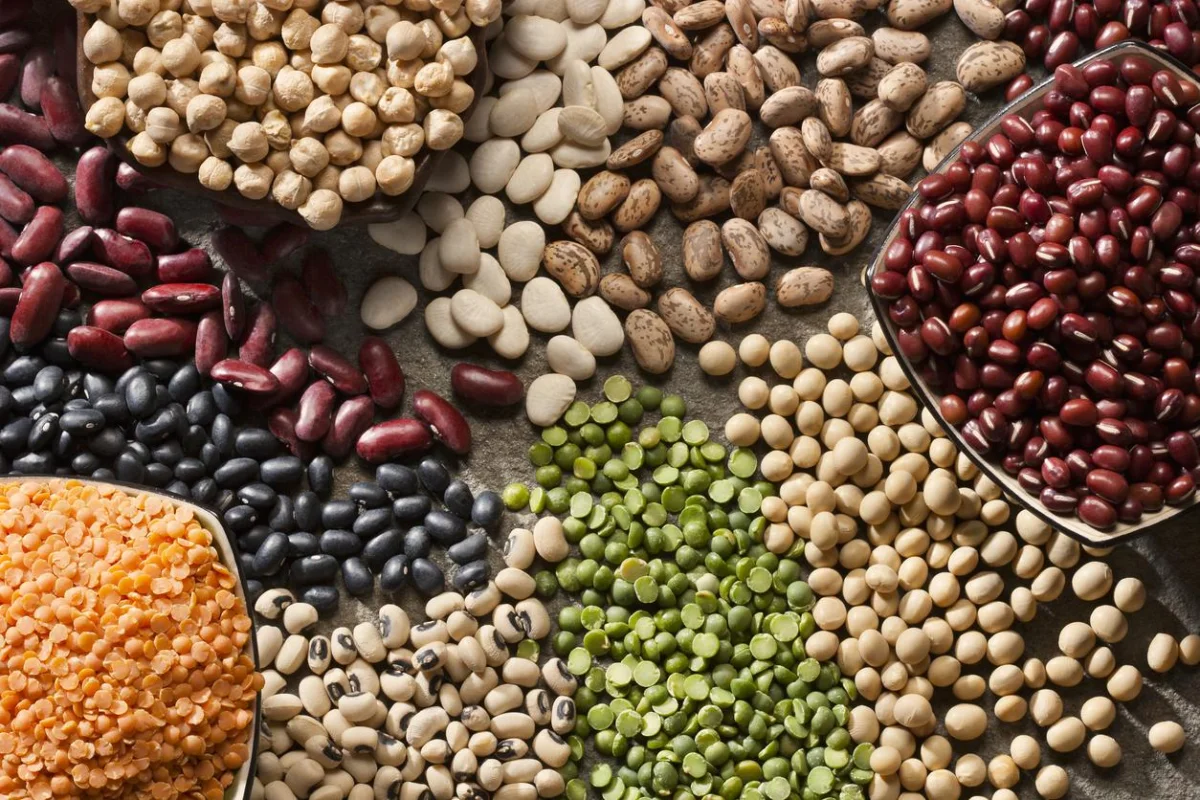
Beans
- 1 cup navy beans = 125 mg calcium
- 1 cup baked beans = 154 mg calcium
- 1 cup red kidney beans = 116 mg calcium
- 1 cup pinto beans = 78 mg calcium
Beans are not only cost-effective but supply a wealth of nutrients, making them a great additive to various dishes.
Leafy Greens

- 1 cup cooked collard greens = 267 mg calcium
- 1 cup cooked bok choy = 158 mg calcium
- 1 cup cooked kale = 195 mg calcium
While many leafy greens are high in calcium, low-oxalate greens such as collards and bok choy are more bioavailable, ensuring better absorption of calcium.

Fruits

- 1 medium navel orange = 52 mg calcium
Oranges provide a refreshing way to supplement calcium intake while benefiting from the vitamin C they naturally contain.
Calcium Absorption Factors
A major consideration when assessing calcium intake is absorption. It is not solely about how much calcium you consume, but how much is effectively absorbed by the body. Several factors can impede calcium uptake:

- Excess sodium intake: High sodium diets can lead to greater calcium excretion. Reducing salt intake can help maintain bone health.
- Tobacco use: Smoking interferes with calcium absorption and bone health, contributing to a higher fracture risk.
- Oxalate-rich foods: Some foods, like certain leafy greens, can bind calcium, reducing its absorption. Selecting low-oxalate vegetables can enhance calcium availability.
- Other nutrients: Calcium absorption requires other nutrients, including vitamins D and K, as well as magnesium. A balanced diet rich in these elements is crucial for optimal bone health.
Consequences of Calcium Deficiency
Inadequate calcium intake can lead to bone weakening and fractures; however, the body prioritizes maintaining blood calcium levels, often extracting calcium from the bones to stabilize it. This can diminish bone density over time, leading to conditions such as osteoporosis.
Delicious Calcium-Rich Recipes
Incorporating calcium-rich foods into your diet can be delicious and satisfying. Here are some recipes:

Almond Ricotta Pear Toast With Balsamic Fig Jam
This toast elevates breakfast or brunch to new heights with almond ricotta, tender pears, and a sweet-tart fig jam.
Silken Tofu Salad With Sweet and Savory Dressing
A vibrant salad featuring silken tofu, crunchy veggies, and a tasty dressing brings together flavor and nutrition.
Red Bean Gumbo With Okra
This hearty gumbo combines red beans and okra in a seasoned blend that is both comforting and calcium-rich.
Conclusion on Calcium
Calcium plays an essential role in health, particularly regarding bone integrity. However, it is vital to recognize that calcium intake alone is insufficient for bone health; it must be part of a well-rounded diet rich in other nutrients and accompanied by regular weight-bearing exercise. Individuals, particularly those at greater risk of deficiency, should consider their dietary patterns and consult healthcare professionals regarding supplementation when necessary. By focusing on diverse sources of calcium and maintaining an active lifestyle, it is possible to support bone health effectively and sustainably.


