Side A · Liner notes
Unlocking the Wisdom Years: Strategies for a Healthy Life Beyond 60
Nutrition · Words by Charlyn Black · Released
Explore how to enhance your health and quality of life after 60 through mindful diet and lifestyle choices that promote longevity and well-being.

By Charlyn Black, MD, ScD, Professor Emeritus of Population and Public Health, University of British Columbia • Co-author of Plant-Powered Seniors

The later years of life can often be a time of joy, emotional stability, and a renewed appreciation for what truly matters. Contrary to pervasive cultural narratives that depict aging as a slow decline in vitality, research indicates that many people experience heightened life satisfaction after 65. In fact, studies suggest life satisfaction may follow a U-shaped curve, dipping during the middle decades, and then rising again, frequently peaking in one’s 70s and 80s. This increase in satisfaction is paralleled by a phenomenon in psychology known as the “positivity effect,” where older adults tend to focus more on positive experiences rather than threats, enhancing emotional well-being.
However, while many strive to make the most of their wisdom years, it’s essential to recognize how diet, movement, sleep, social connections, and engagement with the world influence our overall health and happiness as we age. A well-rounded approach to health is not just about prolonging life; it’s about enhancing life quality during these precious years.
Staying Healthy as We Age
During my years in public health, I've observed two key trends: lifespans have dramatically increased, yet health spans—those years lived in good health—have not grown at the same rate. According to World Health Organization data, in 2019, people globally could expect to spend about 9.6 years dealing with disease or disability. This number has since increased, with recent findings indicating that this duration may now be closer to 10.7 years worldwide and a staggering 14 years in the United States. This implies that while we live longer, many of us spend significant portions of our lives managing chronic illnesses rather than thriving.
Despite these challenges, the good news is that many health conditions commonly associated with aging are preventable or manageable through lifestyle changes. These choices can decrease the prevalence and severity of chronic diseases, with some conditions potentially entering remission as a result of healthier living.

As I journey through my 70s and near retirement, my perspective has shifted. Rather than simply contemplating ways to extend my life, I’m more interested in ensuring that the remaining years are rich and fulfilling. I want the energy to play with my grandchildren, the strength to engage in physical activities, and the clarity to pursue interests and new knowledge. This article seeks to relay effective strategies that have worked for others and me, with a focus on nutrition.
Understanding Changes with Age
With aging comes notable physiological changes that can impact our health and well-being. Digestive changes, such as decreased stomach acid production, can hinder nutrient absorption, and muscle response to protein decreases, emphasizing the need for adequate high-quality protein intake. Additionally, senses like thirst may not function reliably, which increases the risk of dehydration.
Starting as early as our 30s, we begin to lose muscle mass and strength due to a condition known as sarcopenia. For instance, reduced fast-twitch muscle fibers can compromise swift reactions when we stumble. Bone density may also decline, particularly in women post-menopause. Essential nutrients, such as vitamin B12, calcium, and vitamin D, warrant special attention because their absorption can be compromised as we age.
However, it’s crucial to recognize these transformations as signals rather than decrees of decline. They highlight the importance of adjusting our strategies to optimize health as we transition from 40 to 70 and beyond. Proactively responding to these changes with mindful nutrition and lifestyle adaptations can greatly enhance our quality of life.

Nourishing Your Body: Key Nutritional Focus Areas
General advice often suggests consuming more vegetables, but as we age, the specifics of good nutrition become increasingly important. Understanding dietary nuances for those over 60 can make a substantial difference. Here are some critical considerations:
The Protein Paradigm
Historically, the recommended dietary allowance for protein in adults was 0.8 grams per kilogram of body weight per day. Recent USDA guidelines, however, propose a sharp increase for adults aged 65 and older, advising 1.0 to 1.2 grams per kilogram daily. The basis for this recommendation stems from evidence that aging leads to "anabolic resistance," where older adults may not effectively utilize protein the way younger individuals do. Therefore, a healthy 150-pound individual would require approximately 70 to 80 grams of protein daily, distributed evenly throughout meals to optimize absorption.
To meet these requirements, breakfast could consist of fortified soy milk-based muesli with nuts and berries, while lunch might feature lentil soup with a quinoa salad. Dinner could include tofu pasta with vegetables. Even desserts can provide protein—a chia pudding can make for a nutritious finish to a meal.
Addressing B12 Deficiency
Vitamin B12 is particularly critical for those over 50 due to decreased absorption from food. The National Academy of Medicine recommends that older adults primarily obtain B12 from fortified foods or supplements. Those following a plant-based diet must ensure they have a consistent source of B12 throughout their lives. Recommended intakes vary, with adults aged 65 and older suggested to consume 500 to 1,000 micrograms daily.

Importance of Vitamin D
With age, skin loses efficiency in producing vitamin D from sunlight, making supplementation necessary for many adults. The Recommended Dietary Allowance is 600 IU (15 mcg) daily until age 70, increasing to 800 IU (20 mcg) after that. A common practice is to take supplements up to 2,000 IU (50 mcg) daily, particularly if sunlight exposure is limited.
Calcium Intake through Diet
While calcium supplements are available, obtaining calcium through food sources is preferred. Adults should aim for 1,000 to 1,200 milligrams daily, focusing on fortified plant milks, tofu, leafy greens, and nuts. Supplements should fill only the dietary gaps and be taken in divided doses to enhance absorption. Calcitriol supplements are particularly useful for supporting calcium metabolism.
Omega-3 Fatty Acids
Essential omega-3 fatty acids, particularly alpha-linolenic acid (ALA), are crucial in our diets. Ground flaxseeds, chia seeds, and walnuts serve as excellent sources. While the body converts ALA into DHA and EPA, many people require additional amounts. For those who do not consume fish, algae-based supplements can provide a direct source of EPA and DHA, contributing to optimal heart and brain health.
The key nutritional foundations for seniors promote a variety of fruits, vegetables, whole grains, nuts, and legumes. A recent large-scale study following over 105,000 adults for up to 30 years found that adhering to a plant-forward diet significantly improved the odds of maintaining cognitive, physical, and mental health into the 70s and 80s. No single diet was identified as superior, but higher consumption of fresh produce and lower intake of processed foods formed a consistent theme amongst those who experienced healthy aging.

Five Additional Elements of Healthy Aging
While nutrition is a central pillar of healthy aging, it is one part of a broader lifestyle approach. The other five essential pillars include physical activity, restorative sleep, stress management, social connections, and minimizing harmful substances.
Physical Activity
Regular movement is essential to preserving health. Aerobic exercises, such as walking, enhance cardiovascular health, while strength training helps rebuild and maintain muscle mass necessary for longevity. Balance and flexibility training can prevent falls and improve mobility—a critical aspect as we age.
Restorative Sleep
Sufficient sleep is crucial to physical recovery and emotional stability. Older adults often find maintaining deep sleep challenging, experiencing more disrupted sleep patterns. To improve sleep quality, seniors should develop consistent sleep schedules and maintain a sleep-friendly environment, incorporating daytime physical activity and exposure to natural light.
Managing Stress
Although some stress has positive effects, excessive chronic stress can lead to health concerns. Building resilience through mindfulness, relaxation techniques, and spending time in nature can mitigate the effects of stress. Engaging in stimulating and enjoyable activities can also help elevate mood and well-being.
Social Connectivity
Healthy relationships are critical to emotional health. Strong social networks correlate with lower instances of functional decline and cognitive impairment. Engaging in community activities, caring for those around you, and maintaining familial ties contribute significantly to overall life satisfaction.
Reducing Risky Substances
Steering clear of tobacco, excessive alcohol, and other harmful substances can prevent chronic disease episodes. For those who find themselves struggling with dependence on such substances, seeking support is beneficial at any age.
Recipes for Thriving
To illustrate these nutritional principles, let’s explore how to easily integrate healthful foods into your diet with delicious recipes that promote a balanced intake, including proteins, vitamins, and minerals:
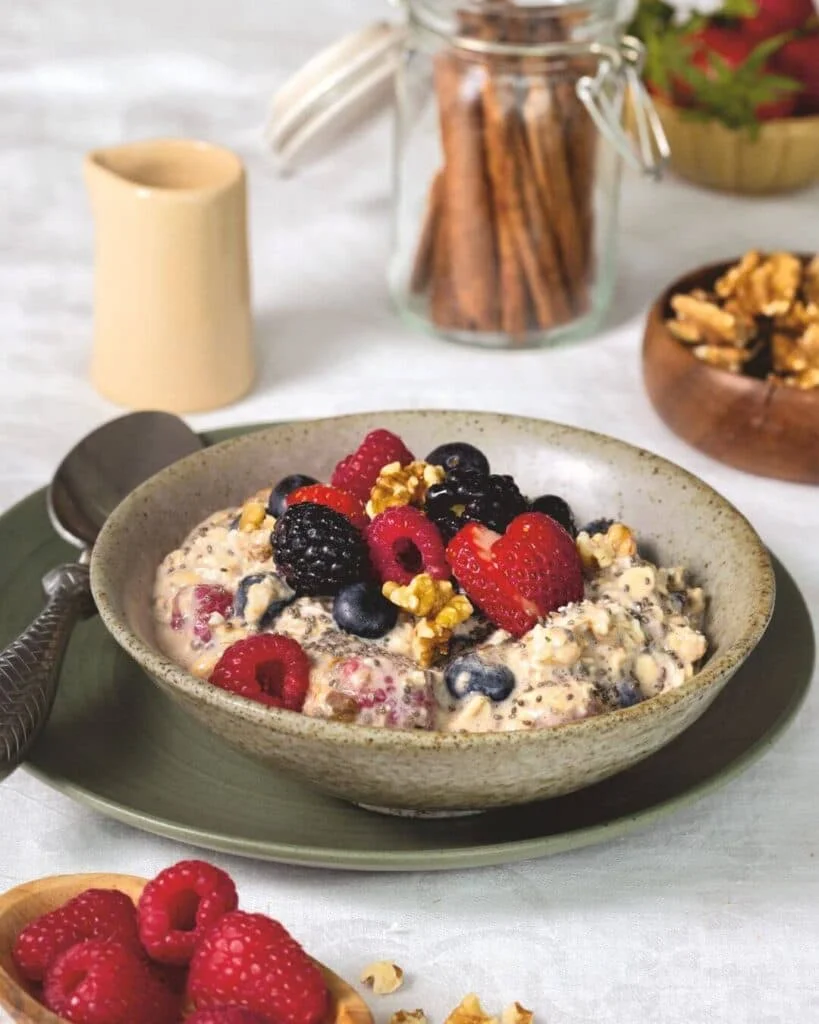
Overnight Oats
Ingredients:

- 1 cup old-fashioned rolled oats
- 2 tablespoons chopped dried fruit
- 2 tablespoons hemp seeds
- 1 tablespoon chia seeds
- 2 tablespoons nuts
- 1½ cups unsweetened fortified soy milk
- 1½–2 cups fresh fruit
Prepare oats the night before by mixing all ingredients in a container, then refrigerate. In the morning, add fresh fruit for an energizing and nutrient-rich breakfast. This recipe offers multiple benefits, including protein, calcium, and omega-3 fatty acids.
Minestrone Soup
Quick and nutritious, this soup can be made with a variety of vegetables and beans. The richness of marinara sauce combined with mixed vegetables delivers vital nutrients.
Key Ingredients:
- 2 cups vegetable stock
- 1 can marinara sauce
- 1 can beans
- ½ cup uncooked pasta
- 1 tablespoon minced garlic and other seasonings
- Mixed frozen vegetables
Combine ingredients in a pot, simmer, and enjoy a hearty meal full of sustaining nutrients and flavor.

Chocolate Pudding
A quick dessert option requires only melted dark chocolate and blended tofu for a smooth texture. This quick treat is packed with flavor and health benefits.
Ingredients:
- 3½ ounces dark chocolate
- 1 package soft or silken tofu
- Maple syrup (optional)
Melting the chocolate and blending it with tofu provides a delightful way to enjoy a dessert while also receiving protein and antioxidants.
Is It Ever Too Late to Start?
Initiating healthy habits at a younger age is ideal, but it’s never too late to begin making changes that improve your quality of life. Studies affirm that even older adults can experience significant health benefits from dietary modifications. Adopting a plant-forward diet reduces risks associated with frailty and disability.
This indicates that regardless of the age at which individuals begin to make dietary improvements, the potential for positive health outcomes remains high. Whether you're 68 or 78, enhancing your nutrition and physical activity can lead to substantial rewards.
What You Can Do Now
As you consider your health journey, keep in mind that the years ahead are rich with possibilities. The choices you make can heavily influence your overall experience in later life. Adopting positive habits should not be seen as battling aging, but as engaging fully in life and taking steps toward what truly matters. Prioritize nutrition, movement, social connections, and ongoing learning. These habits cultivate resilience and strength, enriching the overall aging experience.
Let’s embrace this opportunity to remain inquisitive and engaged, not only in maintaining health but in savoring life’s experiences. Make your dietary adjustments, pursue activities that bring you joy, stay connected with loved ones, and embrace the adventures that aging can bring.
Editor’s Note: This article was developed by Charlyn Black, MD, ScD, alongside contributions from Brenda Davis, RD, Ocean Robbins, and Howie Jacobson, authors of the book Plant-Powered Seniors, which provides comprehensive guidance for thriving on a plant-based diet in senior years. If this overview resonated with you, consider exploring their insights in depth. Get the book here.
Featured image: istock.com/Miljan Živković
We want to hear from you:
- What changes have significantly impacted your health or energy levels?
- What challenges do you face in maintaining healthy habits?
- What are your goals for healthy aging?
Read Next:
This content also appeared on the Food Revolution Network.


