Side A · Liner notes
Reevaluating Dairy's Role in Bone Health: Insights on Nutrition and Lifestyle Choices
Nutrition · Words by Ocean Robbins · Released
New research questions dairy's effectiveness for bone strength, emphasizing the importance of nutrients and lifestyle choices for overall skeletal health.
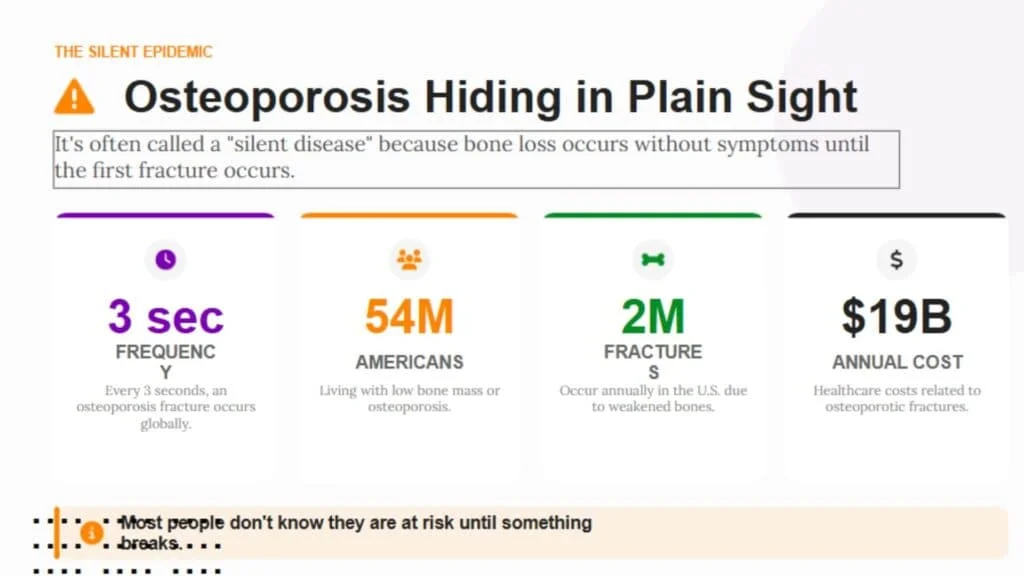
The traditional belief that dairy consumption is the key to bone strength has faced increasing scrutiny in recent years. While the dairy industry has long touted milk as essential for maintaining strong bones, the reality is becoming more complicated as newer research emerges. Data reveals that countries with the highest dairy intake, such as the United States and the UK, also report elevated rates of hip fractures. For example, the Nurses’ Health Study, which tracked nearly 78,000 women over 12 years, found that increased milk consumption did not correlate with better bone health outcomes.
On the other hand, research into plant-based diets offers a more nuanced picture. The Adventist Health Study II highlighted that vegan women not taking calcium and vitamin D supplements had an alarming threefold increased risk of hip fractures compared to their non-vegetarian counterparts. However, the encouraging takeaway is that those who properly supplement found that their increased risk was eliminated. This suggests that it’s not merely about the type of diet—plant-based versus animal-based—but rather ensuring your bone health needs are met correctly.
Understanding this context shifts the conversation from whether plant-based diets are inferior or superior for bone health to what nutrients are essential for bone maintenance. It invites individuals to consider how they can effectively support their skeletal health through informed dietary choices and supplementation.
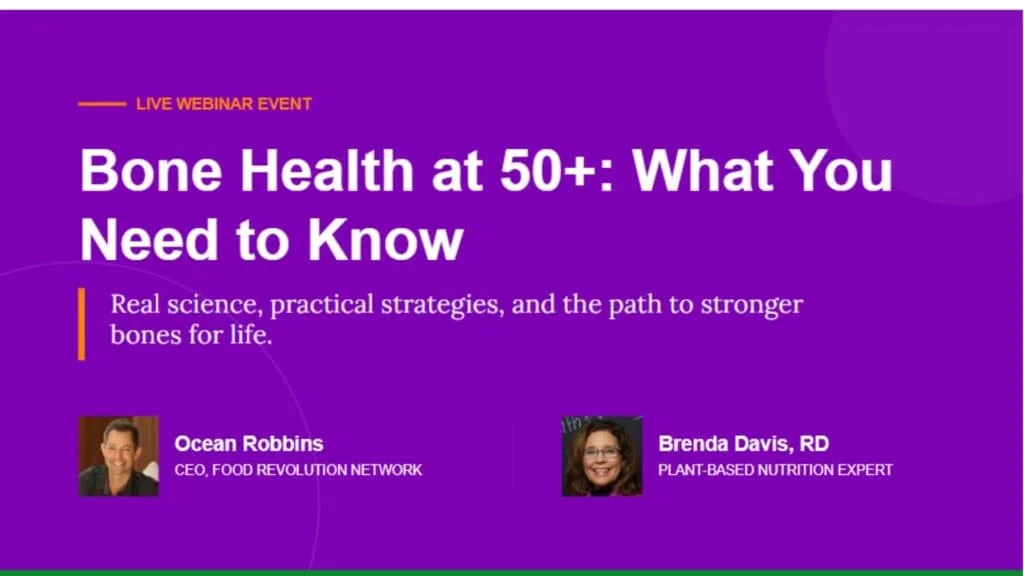
In the accompanying video, I sit down with Brenda Davis, a registered dietitian and esteemed author in the realm of plant-based nutrition, to unpack these findings. Together, we’ll explore bone mechanics, the factors influencing bone density decline with age, and practical steps to fortify bone strength, including the surprising role of certain plant foods in calcium absorption.
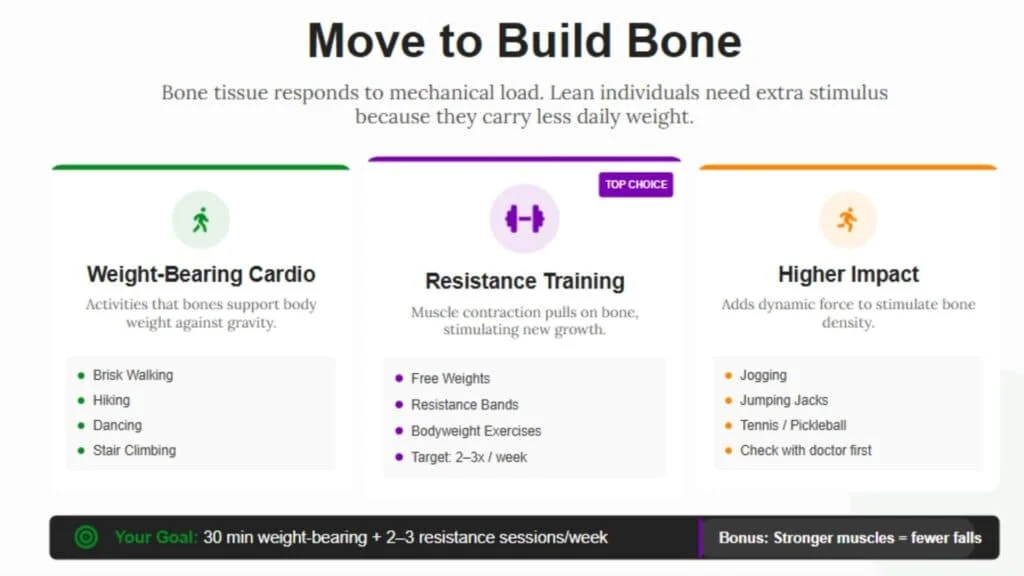
We will also touch upon the importance of physical activity in maintaining skeletal health since no amount of supplementation can adequately compensate for the lack of mechanical stimulation bones need through exercise. The dialogue will culminate in recommended nutritional approaches to support bone strength effectively, emphasizing that bone health isn't just about the nutrients you consume—it's also about how you live your life and care for your body.
Stay tuned for insights on how to enhance your approach to bone health and ensure you’re doing right by the structure that supports you through life.
The Importance of Calcium in Bone Health
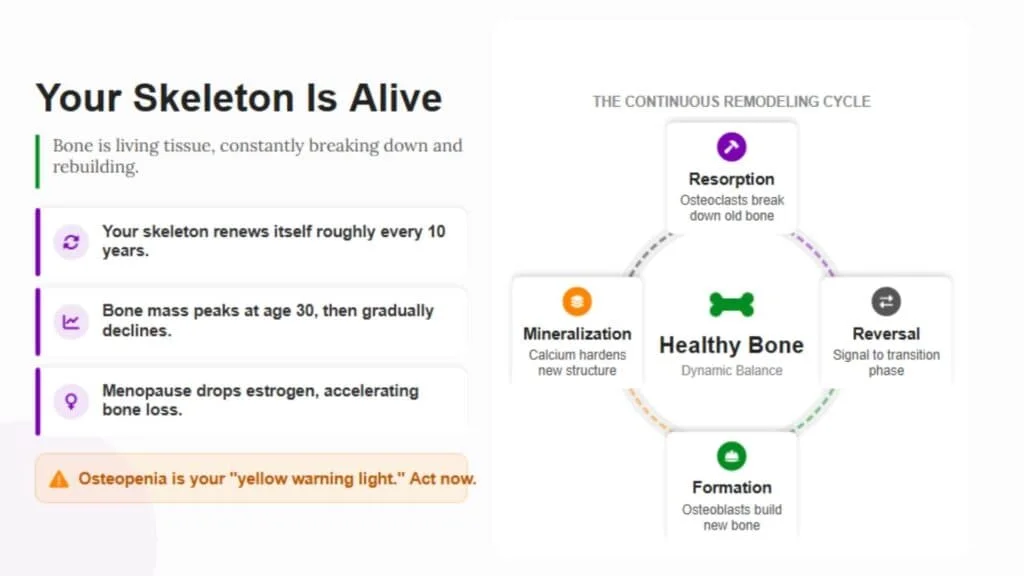
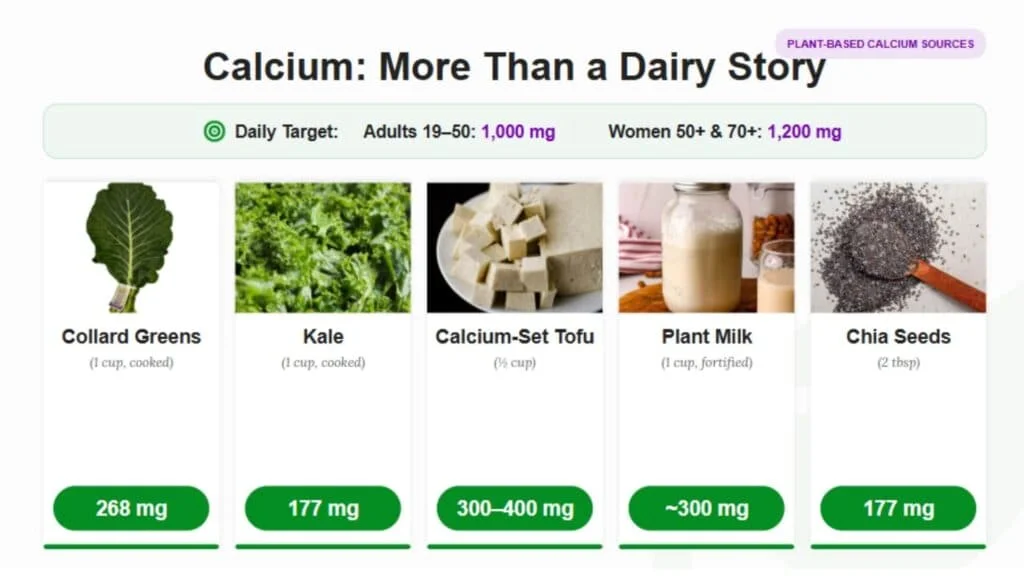
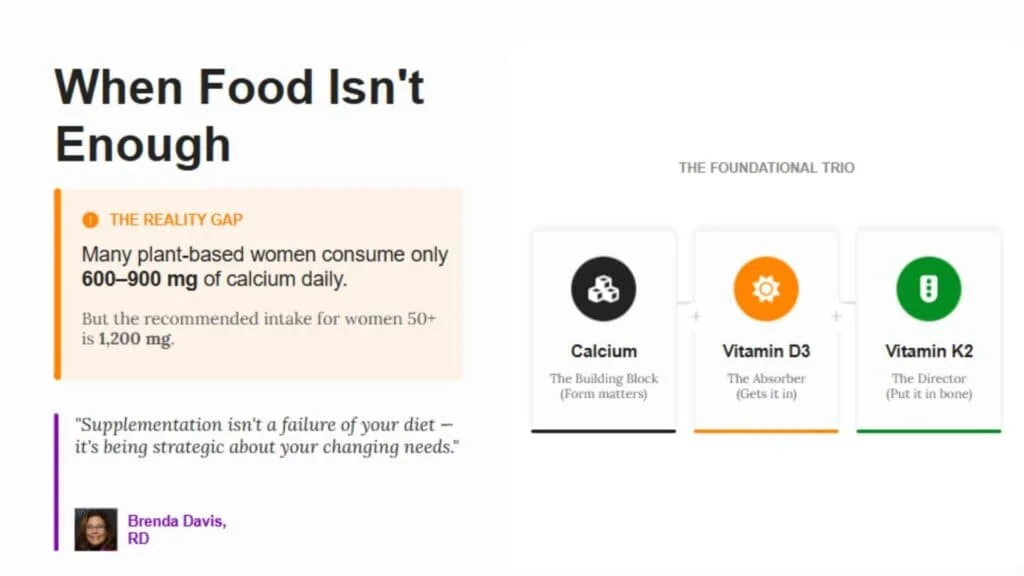
Calcium plays an essential role in our bodies, going beyond simply building strong bones. Approximately 99% of the calcium stored within us is found in our bones and teeth, acting as a reservoir. When our bodies require calcium—whether for muscle contraction, nerve signaling, or maintaining a steady heart rate—it takes what it needs from this store. If dietary calcium falls short, the body compensates by depleting bone reserves. Over time, insufficient intake can lead to serious conditions like osteopenia or osteoporosis, which highlight the significance of adequate calcium consumption. So, how much calcium do we actually need? For adults aged 19 to 50, the recommended daily allowance (RDA) stands at 1,000 milligrams. This need rises to 1,200 milligrams daily for women over 50 and everyone over 70.Plant-Based Calcium Sources and Dietary Consistency
Meeting calcium needs through a plant-based diet is entirely achievable, but it does require careful planning. For instance, one cup of cooked kale offers roughly 177 milligrams of calcium, while a comparable serving of cooked collard greens delivers about 268 milligrams. Calcium-set tofu typically contains between 300 to 400 milligrams per half-cup, depending on the type. Even two tablespoons of chia seeds provide about 177 milligrams, much like kale. Many fortified plant milks, whether derived from soy, almond, or oats, can supply around 300 milligrams per cup—similar to cow’s milk. However, while it’s possible to get enough calcium from plant foods, you need consistent consumption of multiple calcium-rich sources every day. If you skip fortified foods or don’t include a variety of high-calcium options in your meals, reaching the recommended intake becomes increasingly difficult. For postmenopausal women, this consistency is especially vital.Questioning Dairy's Dominance in Bone Health
This brings us to the ongoing debate about dairy. Since dairy products are high in calcium—over 300 milligrams in a cup of milk—one might assume that countries with high dairy consumption would have stronger bones. However, research tells a different story. In fact, some nations with the highest dairy intakes, like the United States and Scandinavian countries, also report elevated hip fracture rates. In contrast, certain regions in Asia and Africa with lower dairy consumption tend to have lower fracture incidences. It’s crucial to approach these statistics with caution; correlation does not imply causation. Many factors—such as genetics, lifestyle, sunlight exposure, and healthcare systems—play into fracture risk. The so-called calcium paradox illustrates that high dairy consumption alone doesn’t guarantee strong bones. Consider the Nurses’ Health Study, which tracked nearly 78,000 women for 12 years. It found that higher milk intake did not correlate with a lower risk of fractures; some analyses even suggested that those who drank the most milk weren’t better protected. While some earlier studies indicated slight benefits from dairy, the overall findings are mixed. Several contextual factors contribute to this complexity. Many dairy-centric countries are situated further north, where year-round sunlight is scarce, and vitamin D deficiency is more prevalent. Adequate vitamin D is critical for calcium absorption, regardless of dietary intake. Beyond calcium, fracture risk is affected by overall dietary patterns, physical activity levels, and body size.The Nutritional Synergy of Calcium-Rich Foods
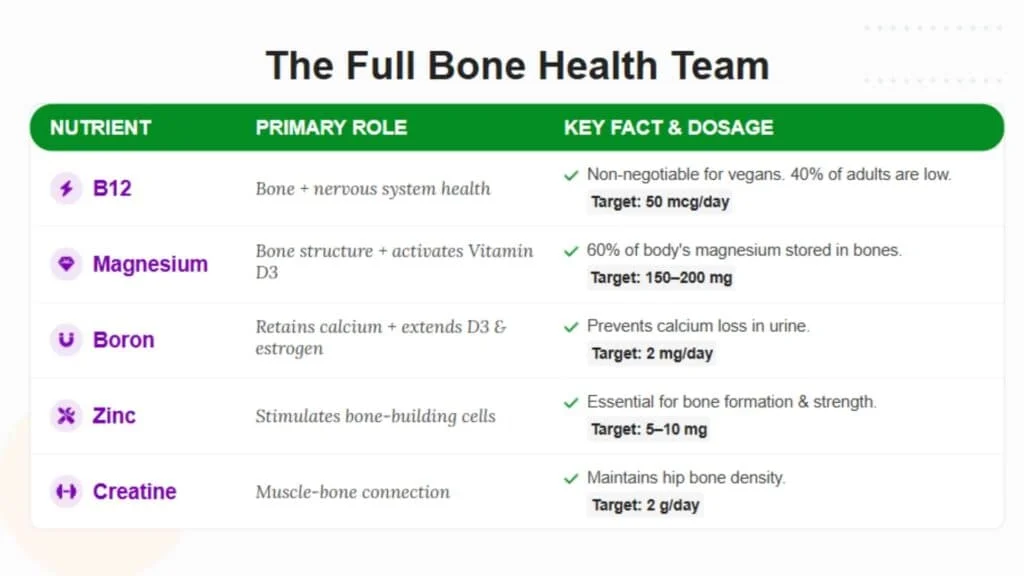
It's also important to realize that calcium doesn’t act alone in promoting bone health. Calcium-rich, plant-based foods come with a suite of other nutrients—such as magnesium, potassium, vitamins K and C, and fiber—that contribute to effective bone metabolism. For example, magnesium not only supports bone structure but also activates vitamin D, which is critical for optimal absorption of calcium. When assessing calcium sources, the absorption rates present a striking revelation: the body absorbs approximately 40-70% of calcium from low-oxalate greens like kale and collards, whereas dairy milk offers only about 30-34% absorption. While this may surprise some, it's a reminder that the whole food matrix plays a significant role in nutrient utilization. However, caution is warranted, as high-oxalate greens like spinach can bind calcium, rendering it less available for absorption. To maximize the benefits of greens, consider balancing high-oxalate options with low-oxalate varieties. If you enjoy cooking with spinach, combining it with nutrient-rich kale or collards can enhance your calcium intake while tapping into the diverse nutritional offerings of different vegetables. Together, these insights about calcium and broader dietary practices serve as a crucial guide for maintaining healthy bones. Proper education and planning can ensure that you meet your calcium needs while reaping the benefits of a rich, plant-based diet.Final Thoughts on Bone Health and Supplementation
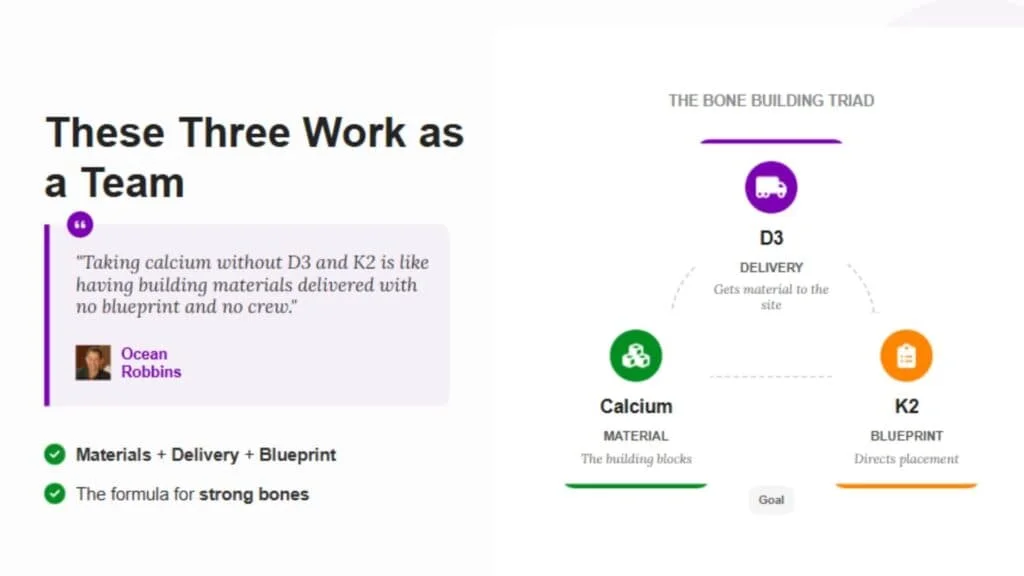
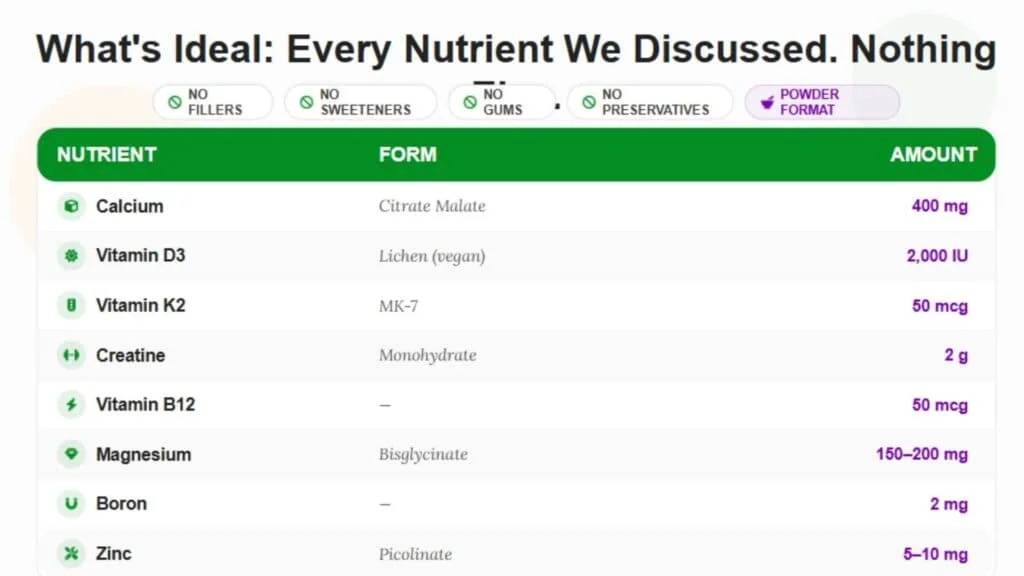
When it comes to maintaining bone health, the discussion has inevitably shifted towards the role of nutrition and supplementation. The complexity of ensuring adequate calcium intake—particularly for those who may struggle to meet their needs through diet alone—highlights an important takeaway: don’t overlook the nuances in how we approach supplementation. Brenda Davis, RD emphasizes that while whole-body vibration platforms can provide some benefits, they’re not a substitute for more traditional exercises that build bone strength. Yes, they might offer modest improvements in bone density and balance for those with limited mobility, but making the most out of what you can do is vital. Ocean Robbins echoes this sentiment, urging people to harness whatever capabilities they have, rather than resigning themselves to inactivity due to limitations. Digging deeper into the subject of calcium supplementation, it becomes clear that the method of supplementation matters significantly. For many, especially postmenopausal women, reaching the recommended intake of about 1,200 milligrams daily may require more than just dietary adjustments. The recent data indicates that certain forms of calcium—specifically calcium citrate malate—are better absorbed, and they should ideally be taken in doses under 500 milligrams at a time to optimize efficacy. The core lesson is straightforward: large doses all at once are counterproductive and can potentially lead to adverse cardiovascular outcomes. This brings us to a broader point. Understanding how nutrients interact is crucial. The collaboration between calcium, vitamin D3, and K2 illustrates this perfectly—each nutrient serves a distinct role that becomes most effective when combined. It’s not merely about adding calcium; it’s about ensuring it gets to the right places in our body while safeguarding against improper deposits. As we move forward, acknowledging the potential cardiovascular risks associated with high-dose calcium supplementation should inform our choices. The emerging consensus is that proper dosing coupled with companion nutrients not only nourishes our bones but also supports overall heart health. In the end, it’s not about fearing supplementation or believing it’s a crutch; it’s about being strategic and informed. By approaching bone health through an informed lens—recognizing nutrient interactions, understanding intake recommendations, and considering individual needs—we can all take positive strides in safeguarding our skeletal health. The right combination of nutrients can empower us to build stronger bones without compromising heart health, allowing us to lead fuller, longer lives.