Side A · Liner notes
Understanding Vitamin K: Types, Benefits, and Dietary Sources
Nutrition · Words by Ocean Robbins · Released
Vitamin K is vital for health, influencing blood clotting, bone strength, and more. Learn about its types, benefits, and food sources for optimal intake.
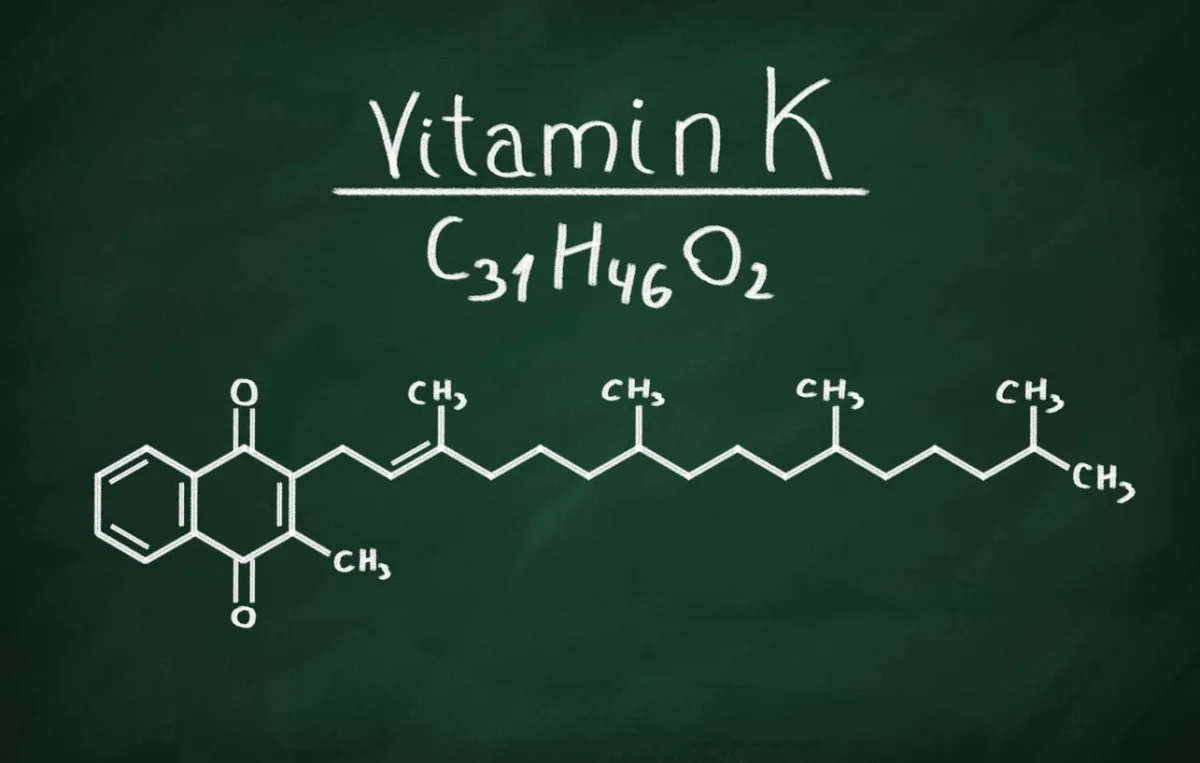
Vitamin K is a crucial nutrient that plays a significant role in several bodily functions. Despite being one of the later discoveries in the vitamin family, it is essential for blood coagulation, bone metabolism, and the synthesis of proteins. Its discovery began in 1929, when Danish researcher Henrik Dam connected vitamin K deficiency in chickens to impaired blood clotting, leading to its name derived from the German word for coagulation, "koagulation." Since then, research has revealed its importance and mechanisms within the body.
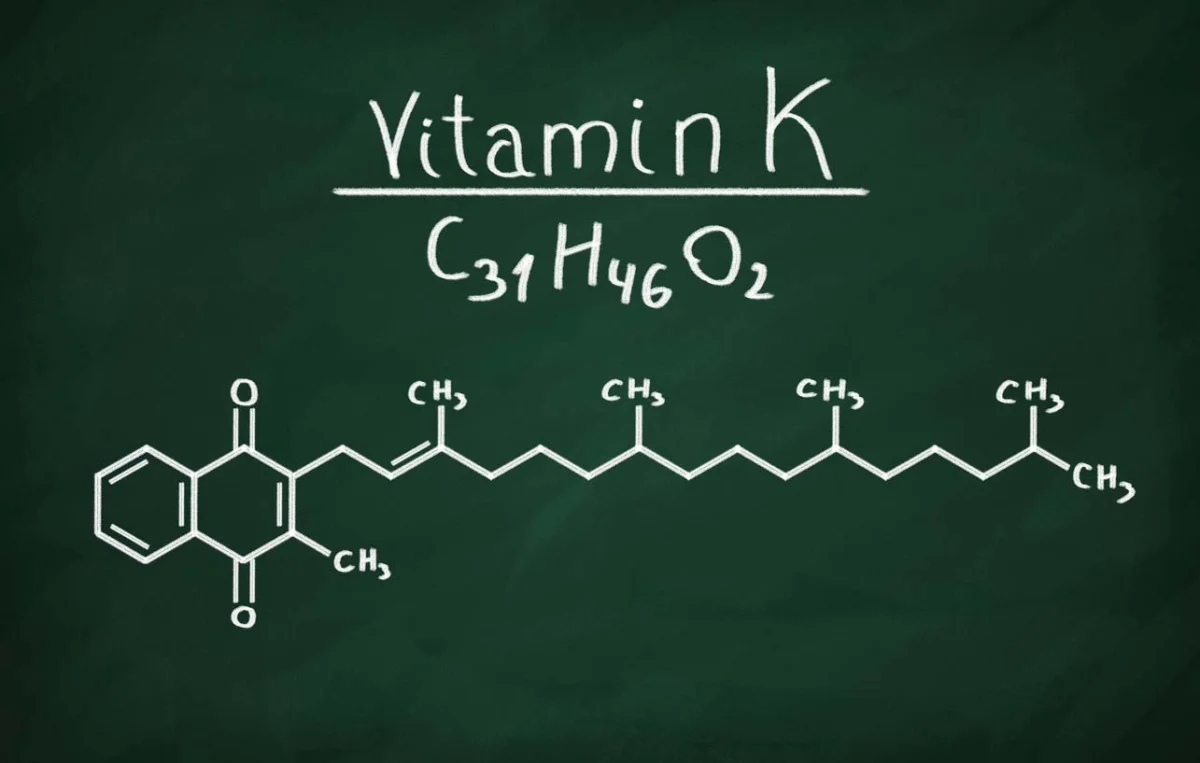
What Is Vitamin K?
As a fat-soluble vitamin, vitamin K is primarily stored in the liver and fatty tissues. Unlike other fat-soluble vitamins, the body maintains low circulating levels of vitamin K. When consumed, only about 30-40% of supplemental vitamin K is absorbed and utilized by the body, with the remainder excreted. This nutrient is vital for synthesizing specific proteins that regulate blood clotting and maintain bone health. Importantly, vitamin K's metabolism occurs in various organs, including the liver, brain, and heart.

Types of Vitamin K
Vitamin K exists mainly in two forms: K1 (phylloquinone) and K2 (menaquinone). K1 is predominantly found in leafy green vegetables like spinach, kale, and broccoli. Though the body absorbs this form, studies suggest that only a fraction is utilized compared to supplements. K2 comprises several subtypes, with MK-4 and MK-7 being prominent. It is sourced from fermented foods and animal products, including natto, butter, meat, and cheese. Interestingly, research indicates that our bodies can convert some K1 to MK-4, a form of K2, which is effective for health maintenance. However, the absorption efficacy of both types can be significantly impacted by dietary factors, especially fat consumption.

Health Benefits of Vitamin K
Vitamin K provides numerous health benefits, particularly concerning blood coagulation and bone health.
Blood Coagulation
The primary role of vitamin K is facilitating blood coagulation. Both K1 and K2 participate in synthesizing proteins necessary for blood clotting. Insufficient vitamin K intake increases the risk of excessive bleeding and hemorrhagic conditions.

Bone Health
Vitamin K also supports bone health by regulating calcium metabolism and ensuring proper calcium deposition in bones. Numerous studies have explored the link between vitamin K2 and reduced risk of fractures. For instance, a significant analysis of older adults found that vitamin K2 supplementation dramatically decreased fracture rates. However, subsequent studies have called some early findings into question, suggesting that more research is necessary to bolster claims around vitamin K's efficacy for osteoporosis.

Specific Benefits of Vitamin K2
Cardiovascular Health
Emerging evidence suggests that vitamin K2 may play a protective role against heart disease. It is thought to help prevent arterial calcification, a major risk factor for cardiovascular issues. Observational studies have shown that higher intakes of vitamin K2 are associated with a lower incidence of coronary heart disease.

Brain Health
Vitamin K2’s potential neuroprotective effects are gaining attention. It is involved in synthesizing sphingolipids, which are integral components of brain cells. Research indicates that these lipids can influence neurodegenerative conditions, and higher vitamin K2 status has been associated with better cognitive function.

Anticancer Properties
Several studies have indicated that vitamin K2 might lower the risk of specific cancers, such as liver and prostate cancer. Some findings have shown that men with a high intake of vitamin K2 have a significantly reduced risk of advanced prostate cancer.

Daily Requirements for Vitamin K
The dietary recommendations for vitamin K vary, primarily focusing on K1. The National Academy of Medicine suggests an adequate intake of 90 micrograms per day for women and 120 micrograms for men regarding K1. Conversely, there are no universally accepted guidelines for vitamin K2 since its optimal intake levels remain unclear.

Vitamin K Deficiency
Deficiency in vitamin K1 is rare but can occur in situations of severe malnutrition or certain gastrointestinal disorders that hinder fat absorption. Infants, especially those breastfed by mothers with low vitamin K, and individuals on anticoagulant therapy, may also face deficiency risks. Vitamin K2 deficiency is less evident as its effects manifest slowly through compromised bone and vascular health without immediate symptoms. Potential symptoms may include increased fracture risk and cardiovascular issues over the long term.
Foods Rich in Vitamin K
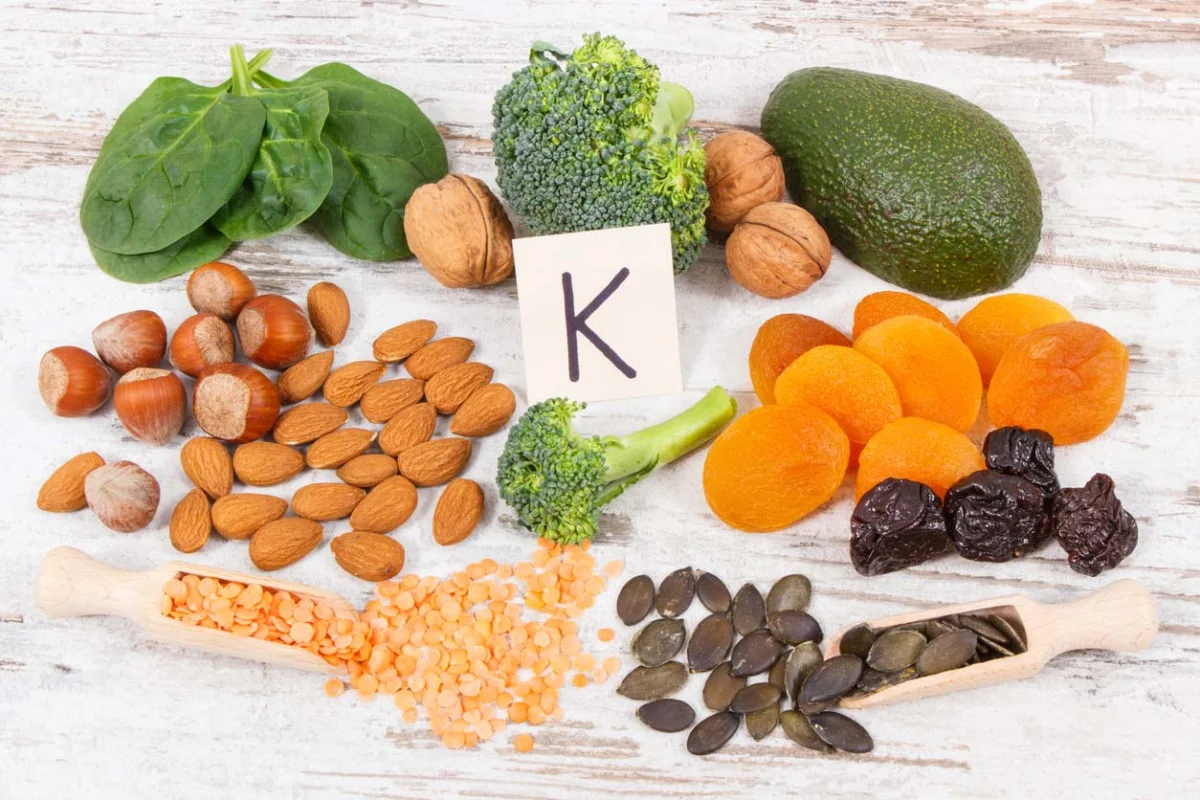
To meet vitamin K requirements, focus on consuming a variety of K1- and K2-rich foods. Here are some prime sources:
- Leafy greens such as spinach, kale, and collard greens.
- Cruciferous vegetables like Brussels sprouts, broccoli, and cabbage.
- Fermented foods, with natto being the highest plant-based source of K2.
- Animal products such as egg yolks, butter, and organ meats.
Vitamin K Testing
Testing for vitamin K deficiency typically focuses on prothrombin time, assessing blood clotting efficiency. If a delay in clotting is noted, vitamin K supplementation may be warranted. For vitamin K2, testing is more complicated; however, measuring osteocalcin, a vitamin K-dependent protein, provides indirect assessments of K2 status. Laboratory services like LabCorp and Quest Diagnostics offer tests for osteocalcin levels, reflecting vitamin K2 activity.
Should You Consider Supplementing Vitamin K?
For those consuming a balanced diet rich in leafy greens, supplementation may not be necessary as vitamin K1 is readily available in foods. However, individuals with conditions causing fat malabsorption, those on certain medications, or those with limited dietary intake of greens may benefit from discussing vitamin K supplementation with their health care provider.
What to Know Before Supplementing
No established upper limit for vitamin K intake exists, given the lack of associated toxicity even at high levels. Nonetheless, caution should be taken with synthetic forms of vitamin K such as menadione (often labeled as K3), due to documented safety concerns especially in infants. For individuals on medications that affect vitamin K status, consistent intake relative to their medication regimen is crucial. Regular assessments with a healthcare provider can help determine personal vitamin K needs.
Vitamin K Interaction with Vitamin D
Vitamin K and D work synergistically, particularly in bone metabolism. While vitamin D promotes calcium absorption, vitamin K2 activates proteins necessary for calcium to be deposited in bones rather than in arteries. This collaborative role underscores the importance of maintaining adequate levels of both vitamins for optimal health.
Final Thoughts on Vitamin K
Vitamin K is a vital nutrient for blood clotting and bone health, with the potential for various additional health benefits. Aiming for a diet rich in vitamin K1 and K2—especially through leafy greens and fermented foods—can help meet daily requirements. If dietary intake is uncertain due to lifestyle or health conditions, it's wise to consult a healthcare provider regarding potential supplementation. Ultimately, most people eating a balanced diet need not worry about vitamin K levels, but awareness of dietary sources and health implications remains essential.


