Side A · Liner notes
Exploring the Path to Becoming a Nutrition and Lifestyle Coach
Nutrition · Words by Tracy Garrigan · Released
Discover the essentials of becoming a nutrition and lifestyle coach, including its significance, potential earnings, challenges, and necessary training.
Meet Vincent Savino, a testament to resilience who turned personal adversity into a mission to help others. After going through a near-fatal heart attack, Vincent took control of his health, leveraging nutrition's power, which transformed his life and inspired him to guide others facing similar challenges. His journey underscores the significant role nutrition and lifestyle choices can play in improving health outcomes.
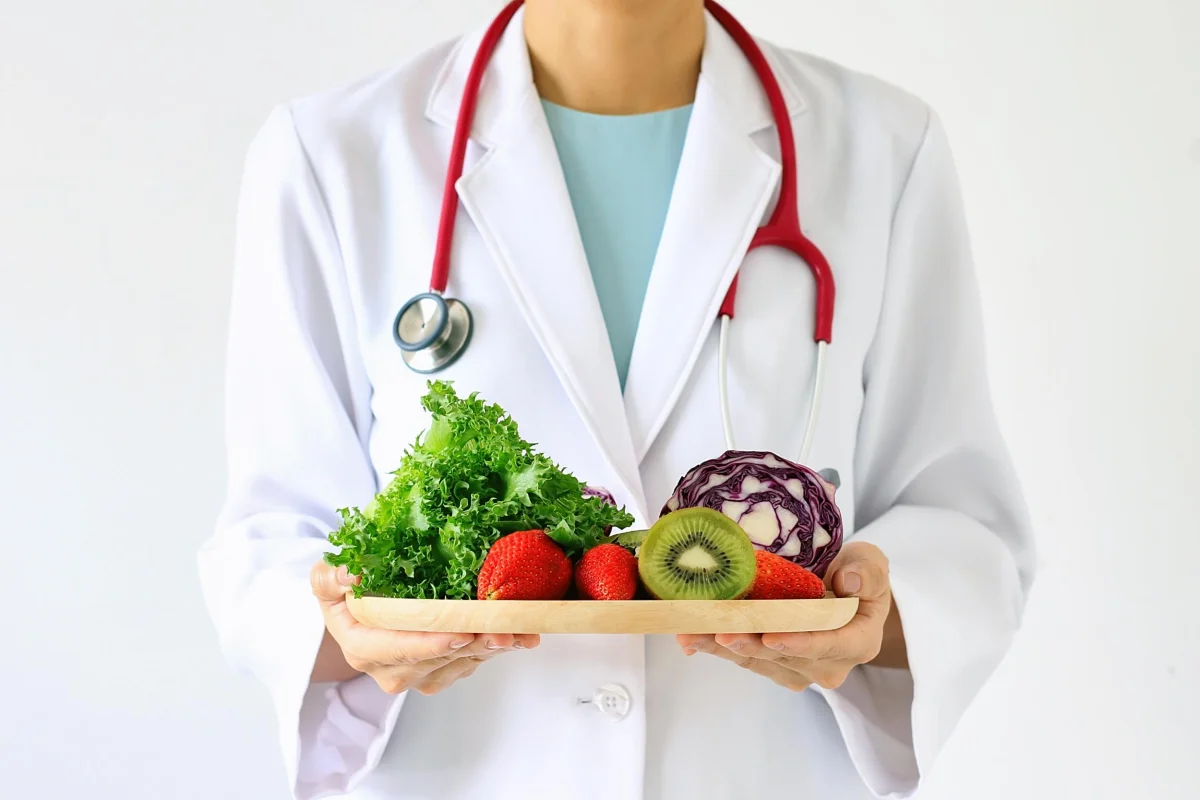
Understanding Lifestyle Medicine
Research increasingly supports lifestyle medicine as a powerful approach for preventing chronic diseases such as heart disease, Alzheimer's, and diabetes. A pivotal element of this field is the adoption of a whole-food, plant-based diet, which has gained traction since the American Board of Lifestyle Medicine began certifying clinicians in 2017. More than 10,000 healthcare providers in 92 countries have since embraced this progressive model.
This approach empowers patients to manage their health proactively, minimizing reliance on medications and procedures. However, implementing such lifestyle changes often proves challenging due to the “knowing-doing gap,” where patients know what they should do but struggle to make those choices. Health coaches can bridge this gap by providing the necessary support and motivation.
The Importance of Coaching
Behavior change is complex, and many individuals face difficulties in establishing new habits independently. Coaching offers essential support, helping clients set achievable goals and stay accountable. Research indicates that having a coach significantly enhances the likelihood of sustaining lifestyle changes over time, serving as a valuable guide in navigating the challenges of behavior modification.

Defining the Role of a Nutrition & Lifestyle Coach
A nutrition and lifestyle coach specializes in guiding clients toward healthier lifestyles without prescribing specific diets or treatments. Instead, they facilitate an exploration of motivations and challenges while focusing on building sustainable habits. Certification programs, such as those from the Food Revolution Network, prepare coaches to emphasize plant-based nutrition and overall wellness.
Coaches employ various techniques, including motivational interviewing and reflective listening, to empower clients to take decisive action toward their wellness goals. Unlike registered dietitians, who deliver tailored dietary plans based on medical conditions, coaches concentrate on fostering lasting habit changes.
Where Coaches Typically Work
Coaching can take place in diverse settings, allowing professionals to choose their path. Many coaches work one-on-one or in small groups, while others find fulfillment within wellness centers, fitness facilities, or corporate health programs. Working as part of an established team can provide stability and collaborative opportunities, which can enhance the coaching experience without the pressures of entrepreneurship.

Entrepreneurial opportunities abound as well, allowing coaches to develop personalized coaching practices, offer workshops, and create online resources. Some may even venture into culinary roles as chefs or recipe developers, combining their passion for health with food preparation. Online programs, social media platforms, and community outreach are additional avenues for spreading knowledge and support.
Financial Outlook for Coaches
The earning potential for nutrition and lifestyle coaches varies considerably based on several factors, including their experience, the setting in which they work, and their business model. A study by Salary.com reported that health coaches working in larger organizations earn between $52,991 and $81,266 annually.
For those who go the entrepreneurial route, income can be uncapped, supporting a more flexible lifestyle. These coaches can tailor their niches and programs to their strengths, which can lead to significant growth. However, this path requires adept management of business operations and an ongoing client acquisition strategy, especially in the early stages.

Challenges in Coaching and How to Overcome Them
Coaching isn't without its hurdles. Common challenges include clients' resistance to changing long-held habits, misinformation regarding nutrition, and emotional barriers that complicate the adoption of a healthier lifestyle. Effective coaching requires employing various strategies to help clients navigate these obstacles.
Techniques like deep listening foster trust and validate clients' feelings, while motivational interviewing encourages clients to articulate their personal motivations for change. Continued education in lifestyle medicine ensures coaches are well-equipped to support and guide clients through their challenges.
Training Opportunities: Food Revolution Network’s Certification
The Food Revolution Network offered its Nutrition & Lifestyle Coaching Certificate to support professionals in embracing lifestyle medicine principles. This certification encompasses a wide array of topics, including plant-based nutrition, behavior change science, and practical coaching skills.

Notably, the program was designed based on feedback from previous graduates, evolving to extend beyond dietary coaching. The training now integrates crucial lifestyle pillars such as movement, sleep, and stress management, recognizing the complexity of holistic health.
Other Resources for Aspiring Coaches
The Food Revolution Network is merely one option among many for aspiring nutrition coaches. Other reputable programs include:
- T. Colin Campbell’s Plant-Based Nutrition Certificate
- AFPA Plant-Based Nutrition Specialist Certification
- Physicians Committee’s Food for Life Training Course
- WellCoaches
- Health & Wellness Coach Academy
- Institute for Integrative Nutrition
Coaching Standards and Certifications
While certification from the Food Revolution Network offers credibility, no official governing body governs the title of a nutrition and lifestyle coach. However, the National Board of Health & Wellness Coaches (NBHWC) provides certification standards that can enhance a coach's career prospects. Becoming NBHWC certified can open doors in healthcare settings and improve the likelihood of insurance reimbursement for services rendered.

Graduates from the Food Revolution Network's programs can access fast-track pathways and discounts for obtaining NBHWC certification, integrating effective coaching practices with recognized standards.
Identifying Your Coaching Niche
Finding a personal niche often starts with a coach's background and experiences. Many new coaches are motivated to share their knowledge with those close to them before expanding their reach to broader communities. Success often comes when coaches find a segment that resonates with their skills and passions, enabling them to make the most significant impact.
As exemplified by Food Revolution Network certified coach Adrienne Davis, personal experiences can fuel one’s niche focus, guiding others through similar challenges. Her focus on helping those with type 2 diabetes illustrates how coaches can thrive by finding specific populations to serve.
The Optimal Moment to Enter the Coaching Field
The current climate in healthcare underscores the relevance of health coaching now more than ever. With growing recognition of lifestyle and nutrition as vital components of preventative care, the demand for wellness coaches is poised for expansion. According to the U.S. Bureau of Labor Statistics, job growth for health educators, including coaches, is expected to rise by 6% between 2025 and 2035, surpassing average growth in other fields.
The increasing awareness of personal health management and rising healthcare costs encourages many to seek the guidance of health coaches. Notably, mainstream media such as The New York Times underscores the necessity of health coaching, emphasizing its pivotal role in contemporary wellness discourse.
The Broader Context
As awareness of the environmental impact of dietary choices grows, the shift towards plant-based eating increases. This trend highlights the importance of food in both individual and planetary health, encouraging coaches to promote sustainable eating habits effectively.
With coaching skills, practitioners are positioned to not only improve individual health outcomes but also advocate for systemic changes that favor healthier food systems. Coaches can significantly influence community health initiatives and drive the changes needed to combat the chronic disease epidemic.
Taking Action
For those driven to foster healthier communities or advocate for policy changes, becoming a certified coach can amplify your impact. Whether choosing a personal focus or expanding advocacy efforts, the skills learned through coaching can motivate others toward healthier lifestyles. Through this path, coaches can promote both individual well-being and broader health objectives, creating lasting change.
Editor’s Note: Interested in pursuing a career in plant-based coaching? Check out the Food Revolution Network’s Plant-Based Coaching Certification here.
Join the Conversation:
- How have you discussed healthy eating with those around you?
- What challenges have you faced in changing your dietary habits?
- Have you thought about becoming a coach to support others in lifestyle changes?
Featured Image: iStock.com/EyeEm Mobile GmbH


