Side A · Liner notes
Understanding Plant-Based Yogurt: Options, Ingredients, and Homemade Recipes
Nutrition · Words by Ocean Robbins · Released
Explore types of plant-based yogurts, key ingredients to avoid, and step-by-step guidance on making your own nutritious yogurt at home.

Long before modern convenience, early civilizations discovered the art of fermentation, turning milk into yogurt during warm temperatures. Today, yogurt is widely recognized as a nutritional staple, often lauded for its probiotic qualities which support gut health. With increasing awareness of dietary choices and environmental concerns, many individuals are turning to plant-based yogurts, a suitable alternative free from dairy and its associated drawbacks.

This article explores the types of plant-based yogurts available, examines their nutritional profiles, highlights ingredients to be cautious of in store-bought varieties, and provides a guide to making your own yogurt at home.
Types of Plant-Based Yogurts
Plant-based yogurts come from a variety of sources including nuts, seeds, legumes, and grains. When shopping, you’ll likely encounter several popular options:

Soy Yogurt
Soy yogurt boasts a protein composition that closely resembles that of cow's milk while eliminating saturated fats. Concerns about phytoestrogens in soy contributing to health issues are mostly unfounded, as numerous studies indicate that soy is safe for most people. That said, always check for added sugars or thickeners in soy products, and consider choosing organic brands to avoid genetically modified organisms (GMOs).
Almond Yogurt
Almond yogurt is rich in healthy fats and generally lower in sugar than other types of yogurt. When fortified, it can also provide a good source of calcium. However, almond cultivation is not without its concerns: almond trees require significant water resources. Even so, this demand pales in comparison to the water needed for dairy milk production, making almond yogurt a relatively eco-friendlier choice. Be cautious with brands that cut costs by using fewer almonds, as this impacts their environmental footprint.

Oat Yogurt
Oat yogurt has gained popularity thanks to its mild taste and affordability. It supports sustainable farming practices when used as part of crop rotation to enrich soil. However, check product labels for added sugars, starches, or artificial flavorings; opting for organic options can help minimize exposure to pesticides.
Cashew Yogurt
Characterized by its rich and creamy texture, cashew yogurt typically requires fewer additives. However, it may lack sufficient protein without fortification and has environmental impacts similar to those of almonds, as the production requires a considerable amount of water. When available, choose organic and fair-trade cashew products to ensure ethical sourcing.
Hemp Yogurt
Hemp seeds offer a wealth of health benefits, including fiber and omega-3 fatty acids. Hemp yogurt is regarded as a protein-rich option, though it requires thickening agents to achieve the desired consistency. The environmental footprint of hemp cultivation tends to be lower, making it an appealing choice for sustainability.
Pea Protein Yogurt
This yogurt type is derived from highly processed peas and offers a high protein content. Brands like Daiya often include additional sources of protein and fortified vitamins to mimic dairy yogurt’s nutritional profile. While they provide important nutrients, it's important to keep in mind that drying and processing peas can diminish some of their whole food benefits.

Coconut Yogurt
Known for its texture and flavor, coconut yogurt can be surprisingly high in sugar and saturated fats. Many brands add sweeteners to counteract the naturally subtle taste of coconut. If pursuing this option, find brands with simple ingredient lists, such as CoYo, which use minimal additives.
Ingredients to Look Out for in Plant-Based Yogurt
While many plant-based yogurts provide healthier alternatives to dairy, some can be processed heavily. When selecting yogurt, it’s advisable to look for organic certification for a cleaner product. Be wary of the following ingredients:
Sugar
Added sugars can appear in both the ingredient list and the nutrition facts. Aim for yogurts with less than 5 grams of added sugar per serving, and be aware of alternative names for sugar like agave or sucrose.
Thickeners
Common thickeners like xanthan gum and guar gum may help create a desirable texture, but some additives like carrageenan and polysorbate 80 have been linked to digestive issues. Therefore, keep an eye on these ingredients if you're sensitive to food additives.
Additives
Ingredients such as dipotassium phosphate are utilized as stabilizers, but may cause gastrointestinal discomfort for some individuals. Likewise, titanium dioxide, used as a whitening agent, has no nutritional value and often raises concerns among health-conscious consumers.
Natural Flavorings
This term can be misleading, as it can encompass a range of chemicals and preservatives. Always read product labels carefully, as the term “natural flavors” can obscure less-desirable ingredients.
GMOs
To steer clear of potential chemical exposures, prioritize organic plant-based yogurts, particularly those made from soy or oils from canola and cottonseed, which are commonly genetically modified. Organic labeling will confirm the absence of GMOs.
How to Make Your Own Plant-Based Yogurt
Creating your own yogurt can be both fulfilling and cost-effective, allowing you complete control over ingredients. While various tools can assist in the process, making yogurt requires only non-dairy milk, a bacterial culture, and a warm incubating environment.

Yogurt-Making Supplies
To simplify yogurt preparation, consider investing in a dedicated yogurt maker like the Vitaclay Organic Slow Cooker. Alternatively, models such as the Instant Pot with a yogurt setting can also yield great results for beginners. If you’re looking for something more advanced, the Bear Yogurt Maker provides specific settings for crafting both classic and Greek styles of yogurt.
5 Delicious Dairy-Free Yogurt Recipes
Making your own yogurt opens the door to numerous culinary possibilities. The following recipes showcase various uses for your homemade yogurt:
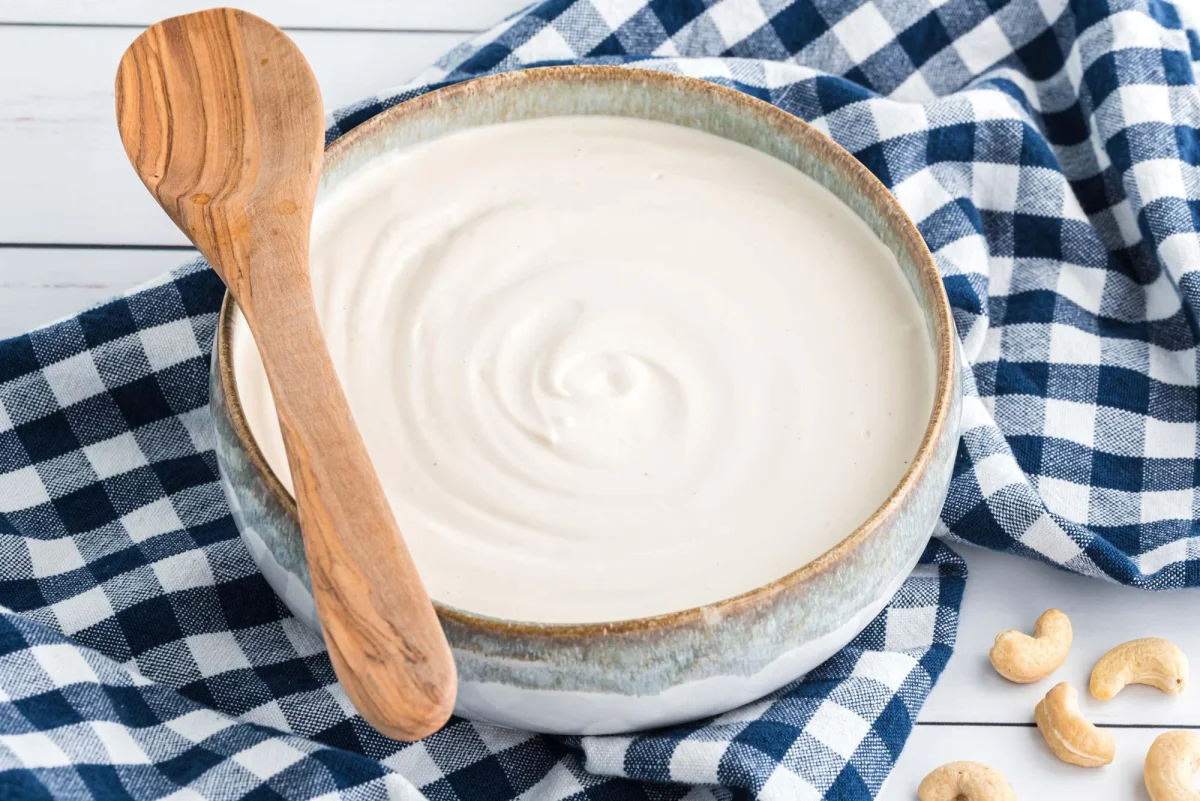
1. Easy Homemade Cashew Yogurt
This creamy cashew yogurt delivers rich flavor and texture without requiring thickeners. The straightforward process yields satisfying results that can easily become a household staple.
2. Instant Pot Organic Soy Yogurt
Utilizing an Instant Pot allows for a hassle-free yogurt-making experience. Experiment with fermentation times for personalized flavor, with 13 hours typically producing a balanced tanginess.
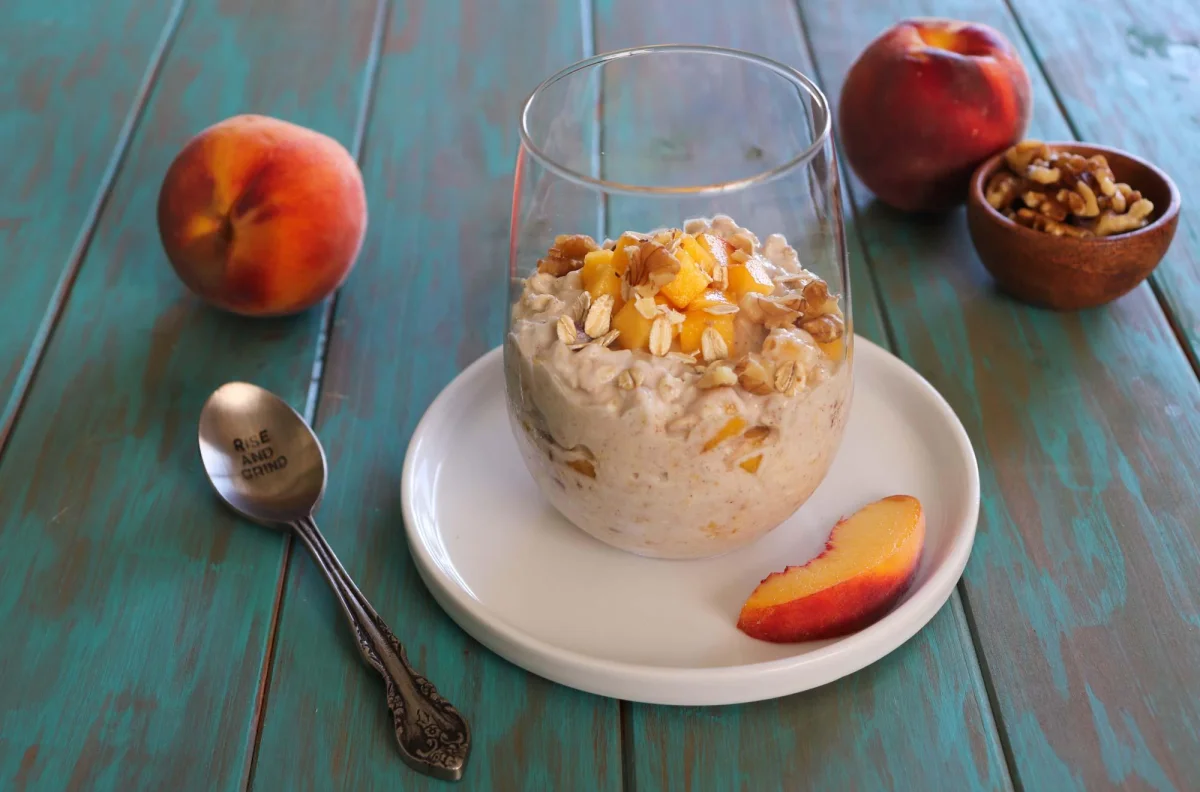
3. Peaches and Cream Overnight Oats
This delightful breakfast combines oats, whole plant-based ingredients, and yogurt for a balanced meal. The yogurt ensures a creamy consistency to start your day off right.
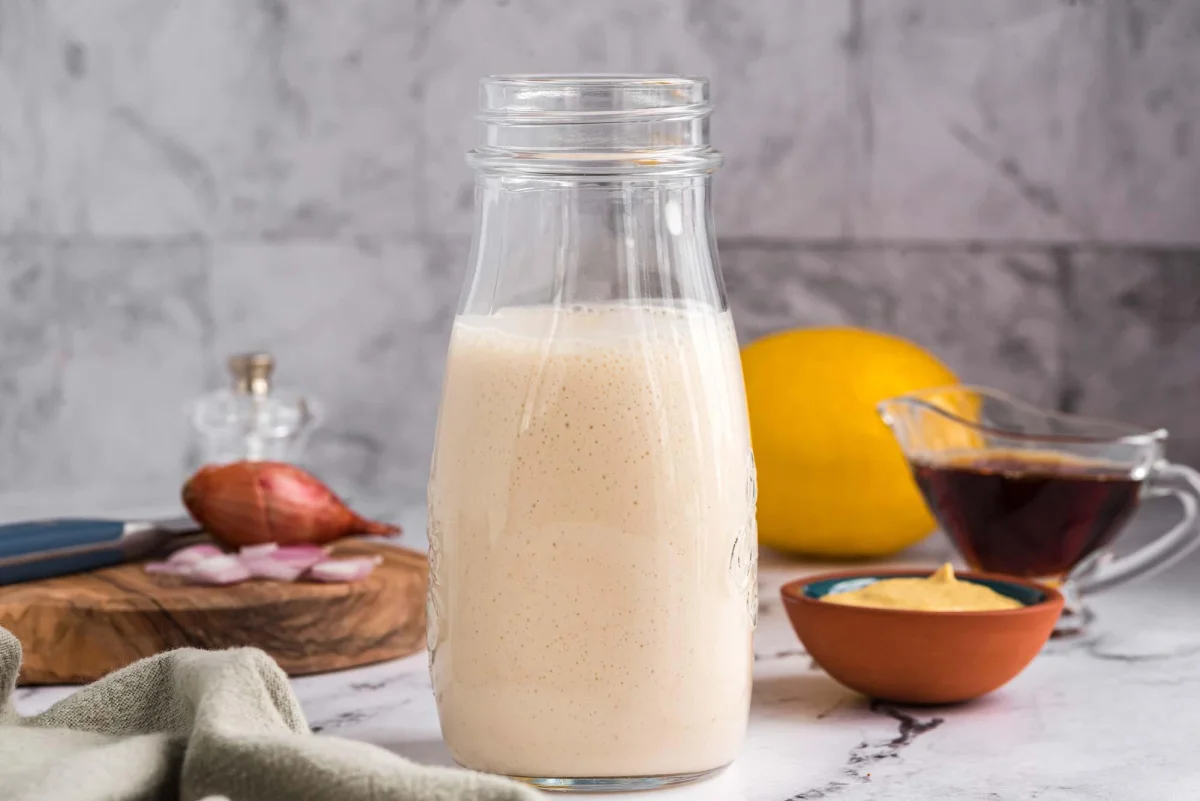
4. Creamy Lemon Dijon Dressing
Turn yogurt into a zesty dressing that adds flavor and nutrition to salads. The probiotic-rich profile enhances your meal while offering a delicious way to incorporate yogurt into various dishes.
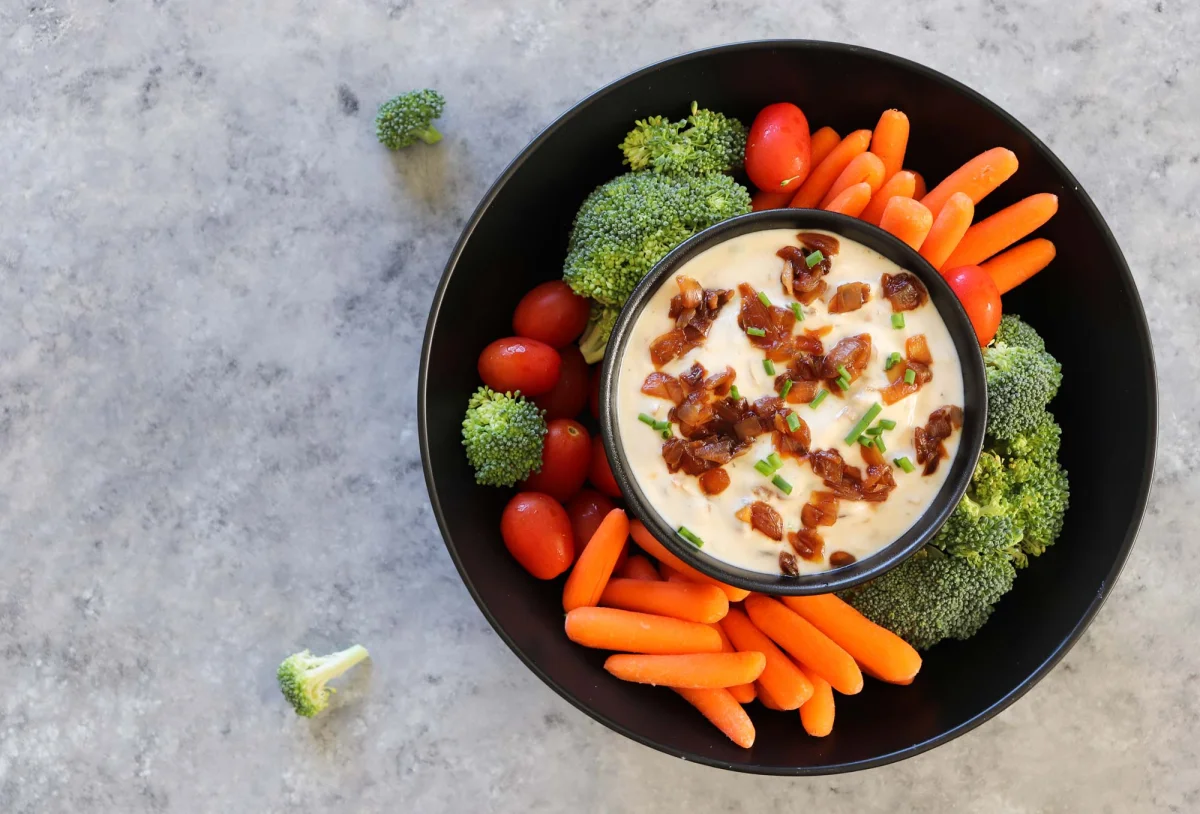
5. Vegan Onion Dip
Use plant-based yogurt as a healthy substitute for sour cream in this versatile dip. Perfect for gatherings or as a snack, it maintains flavor while providing better nutrition.
Embracing Plant-Based Yogurt
With a myriad of health advantages, plant-based yogurts can be an integral part of a balanced diet. Homemade versions allow control over ingredients while decreasing plastic waste from store-bought products. Explore the fantastic recipes provided to incorporate yogurt in innovative and delicious ways. We hope that you find joy in creating and enjoying your own plant-based yogurts!
Join the Conversation:
- Did you enjoy yogurt growing up? What was your favorite variety?
- Have you tried any plant-based yogurts available on the market?
- Which yogurt recipe are you excited to try making at home?
Feature image: iStock.com/FreshSplash
Explore Further:
- Understanding Non-Dairy Milk Options — Discover 10 Popular Plant-Based Milks
- The Benefits of Fermented Foods: How They Can Enhance Your Health
The insights shared help clarify the world of plant-based yogurt and encourage nutritious choices for you and your family.


