Side A · Liner notes
Exploring Nutrition and Lifestyle Coaching: A Path to Healthier Living
Nutrition · Words by Ocean Robbins · Released
Nutrition and lifestyle coaching can empower individuals to achieve sustainable health changes and improve overall well-being through personalized support.

Reflecting on my thirties, I remember struggling with an autoimmune disorder that made daily life challenging. At one point, I sought help from a holistic health clinic in New York City, feeling overwhelmed and desperate for relief. Instead of the engagement I hoped for, I was bombarded with clinical jargon that left me feeling more isolated. This experience sparked my journey toward becoming a health coach, as I recognized the need for compassionate guidance in health management.
Health coaches provide a distinct service compared to clinicians. Rather than a fleeting interaction, coaching is built on actively listening, understanding individual goals, and providing tailored support over time. By taking a comprehensive view of a person's values and lifestyle, coaches help identify and navigate obstacles to wellness, offering the space and resources needed for effective change. Research supports the effectiveness of coaching, revealing its capability to aid in managing chronic conditions, promoting sustainable weight loss, and instilling healthy habits.
For many, enlisting a health coach results in not only physical transformations but also improvements in emotional well-being and personal agency. Coaches specializing in nutrition and lifestyle utilize established principles of lifestyle medicine to help clients foster significant changes in their habits, creating realistic strategies that align with personal values and goals.
Understanding Nutrition and Lifestyle Coaching

Nutrition and lifestyle coaching involves trained professionals who help individuals adopt and maintain health-promoting behaviors. These coaches integrate knowledge about nutrition with expertise in lifestyle factors that impact long-term health. While diet often serves as the starting point, coaches recognize that many elements, such as sleep, stress, and social connections, significantly influence overall well-being.
A coach's strength lies in their versatility; they possess evidence-based nutrition insights and behavior-change strategies, tailoring their approach according to each client's individual needs. This provides a more robust framework for achieving sustainable health improvements.
Coaching's Benefits and Impact
The rising influence of health coaching in promoting healthier lifestyles has even caught the attention of institutions like the American Medical Association (AMA). Their endorsement emphasizes how coaches can enhance patient engagement, resulting in better health outcomes.
1. Enhancing Overall Well-Being

Health coaching has been shown to improve both physical and emotional health significantly. A systematic review in 2014 encompassing 13 studies found that health coaching yielded substantial benefits in patients' physiological, behavioral, and psychological well-being, alongside improved social interactions. This research highlighted better weight control, increased physical activity, and enhanced mental health status.
Older adults benefit particularly from coaching as a 2017 study demonstrated significant increases in physical fitness, mobility, and vitality among seniors receiving health coaching. Moreover, a study conducted at the Mayo Clinic revealed that wellness coaching enhanced quality of life, reduced depressive symptoms, and even improved cognitive and spiritual functioning among participants.
2. Supporting Weight Loss and Management
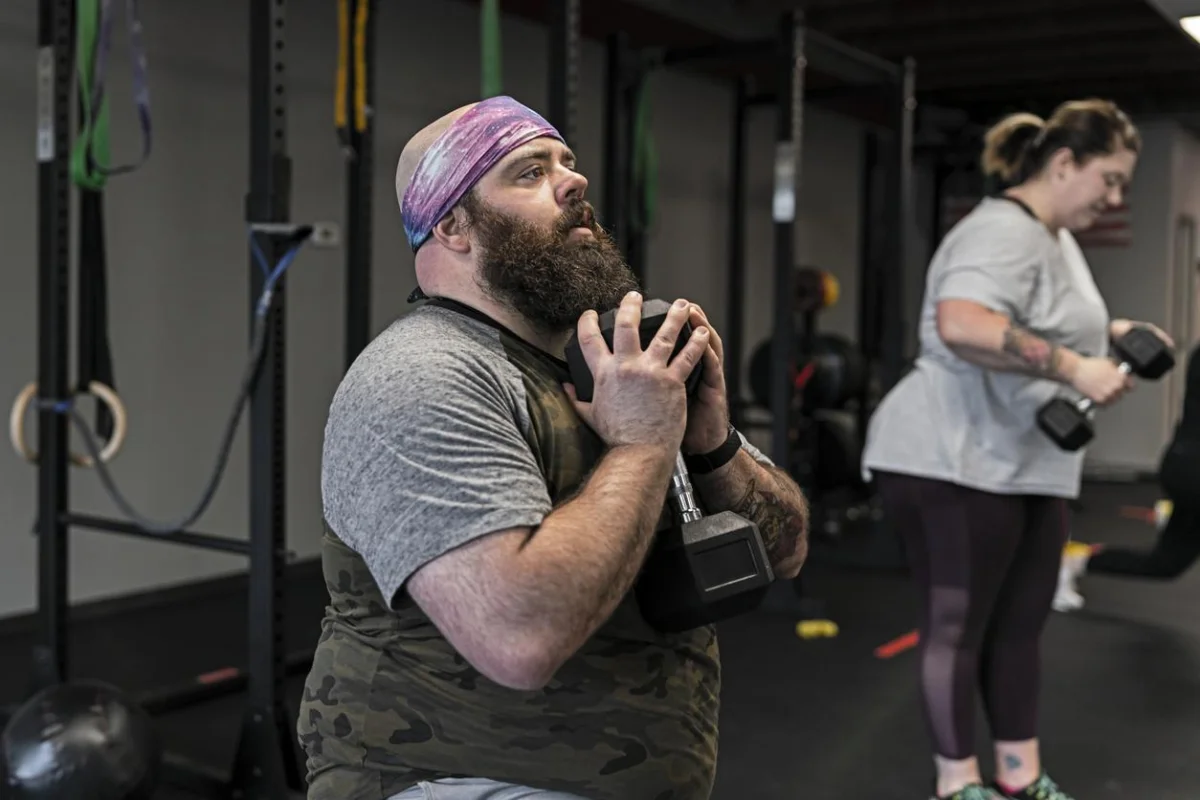
Many pursue health coaching as a method to achieve and maintain healthy weight. A study found that individuals with obesity who partnered with a health coach lost nearly 10% of their body weight over six months. Another investigation involving adults with overweight and obesity identified average weight losses exceeding 7% after 12 months, with participants maintaining much of this loss for up to two years.
Research published in the American Journal of Lifestyle Medicine revealed that a significant 80% of clinical trials examining nutrition and weight-management coaching reported positive outcomes, further validating the role of coaching in fostering sustainable health habits.
3. Addressing Chronic Lifestyle Diseases

Health coaching serves as a transformative resource for individuals dealing with various chronic conditions. A study in 2018 reviewed 22 projects and found that coaching significantly aided people with type 2 diabetes by lowering their HbA1c levels and enhancing overall well-being. Another meta-analysis indicated that health coaching linked to quality of life improvements and a decrease in hospital admissions among patients with chronic obstructive pulmonary disease (COPD).
Moreover, health coaching demonstrated improvements in cardiovascular metrics such as blood pressure, cholesterol levels, fasting glucose, and cardiorespiratory fitness according to a 2016 study. This shows the expansive benefits of coaching across different areas of health.
Insurance Coverage for Health Coaching
Given the evidence of health coaching's effectiveness in enhancing health outcomes, it is notable that it can also lead to reduced healthcare costs. However, most insurance plans do not typically cover health coaching. This lack of coverage can hinder access for many who could benefit from such services.
In certain situations, clients in the U.S. might use Flexible Spending Accounts (FSA) or Health Savings Account (HSA) funds to finance coaching, granted it’s deemed medically necessary by a healthcare provider. A Letter of Medical Necessity (LMN) can facilitate the reimbursement process, particularly if the health coach holds pertinent certifications recognized by various healthcare plans.
Health coaches can offer financial flexibility through payment plans and partnerships with healthcare providers to allow billing under their credentials within legal limits. This can enhance access for those who might otherwise find coaching prohibitive.
Formats for Coaching Sessions
Health coaching can manifest in diverse formats, catering to individuals' varying needs, preferences, and budgets.
One-on-One Coaching and Group Sessions

One-on-one coaching provides individualized assistance for those seeking a personalized experience, addressing unique goals and challenges in-depth and maintaining confidentiality.
Group coaching, being a more affordable alternative, offers a collective atmosphere where participants can foster accountability and share experiences. This interactive environment can stimulate peer learning and mutual support.
Remote versus In-Person Coaching

Coaching sessions can occur remotely via phone or video, which significantly increases accessibility and allows for flexible scheduling. Alternatively, in-person sessions may offer more personal engagement for those preferring face-to-face consultation. Studies have shown that online coaching can be just as effective as traditional in-person interactions.
Text-Based and Automated Coaching

With the rise of technology, some coaching services use lower-cost automated systems that offer text-based interactions. This model appeals for its accessibility and convenience, providing reminders and progress tracking.
Nonetheless, while convenient, automated coaching can lack the personalized depth that traditional methods afford. Some clients may miss the nuanced human connection present in direct coaching formats. As a result, individuals seeking in-depth support may find greater satisfaction in more interactive coaching models.
Finding the Right Coach for You
Choosing a health coach involves assessing their qualifications. In the U.S., ensure that the coach is board-certified, often through organizations like the National Board for Health & Wellness Coaching (NBHWC) or the International Coaching Federation (ICF) for broader coaching contexts.
Additionally, specialized training signifies depth in specific areas; for example, a coach with a certificate from the Food Revolution Network has undergone extensive nutritional training. It’s prudent to inquire about both their certifications and what each entails.
Evaluate your personal objectives and preferred coaching style. Consider factors such as motivation, the type of support needed, and whether you prefer group settings or individual attention. Reflection on these elements will help you find a coach that aligns with your health journey.
A good starting point may be to engage in introductory consultations with potential coaches, which often are free or low-cost. This provides an opportunity to discuss your goals, understand their methods, and gauge compatibility. Insights from prior clients can also offer valuable context about a coach's effectiveness.
Many coaches share their philosophies through online platforms, providing glimpses into their techniques and personal values, which can assist in making an informed decision.
Path Forward: Coaching for a Healthier Life

In summary, health coaching serves as a potent resource for individuals seeking to improve their health and lifestyle. Whether managing a chronic ailment, pursuing weight loss, or striving for well-rounded well-being, the right coach can elevate that journey. With a focus on personal motivations and needs, coaching fosters meaningful paths to lasting health adjustments.
If you're eager to collaborate with a certified Food Revolution Network coach, explore options through the Plantrician Providers Directory. If you're interested in guiding others on their wellness journey, consider the benefits of the Nutrition & Lifestyle Coaching Certificate from the Food Revolution Network.
In the comments below, share your experiences with health coaching or any thoughts regarding plant-based coaching!
Featured image: istock.com/SDI Productions
For additional resources:


