Side A · Liner notes
Exploring the Health Benefits of Medicinal Mushrooms: What Science Shows
Nutrition · Words by Ocean Robbins · Released
Medicinal mushrooms offer numerous health benefits, from enhancing immune function to supporting brain health. Here’s what research reveals about their potential.

Fungi, including various species of mushrooms, present a unique biological classification. Unlike plants, mushrooms lack chlorophyll, leaves, and roots, which gives them their distinctive characteristics. Interestingly, mushrooms are more closely related to humans than to plants, highlighting their fascinating role in both nature and health.

Throughout history, mushrooms have been regarded for their potential health benefits, with ancient Egyptians even believing that consuming them could promote longevity. Various cultures, especially in Asia, have utilized mushrooms for centuries in the prevention and treatment of ailments. Recent scientific investigations are uncovering a multitude of healing properties associated with mushrooms, with more than a hundred species currently under scientific scrutiny for their potential impacts on health.
The Power of Mushrooms
All mushrooms contain beta-glucans, which have been identified as key players in fighting inflammation and bolstering the immune system. Research suggests that these compounds may also play a role in reducing the risk of certain hormone-related cancers by inhibiting the enzyme aromatase, responsible for producing estrogen. Additionally, mushrooms contain specific lectins that can recognize and inhibit the growth of cancer cells—this challenging reputation of lectins provides insight into their multi-faceted nature.

Key Medicinal Mushrooms and Their Benefits
With over 2,000 species of edible mushrooms available worldwide, this discussion focuses on some of the most researched and potent medicinal mushrooms:
- Chaga (Inonotus obliquus)
- Reishi (Ganoderma lucidum)
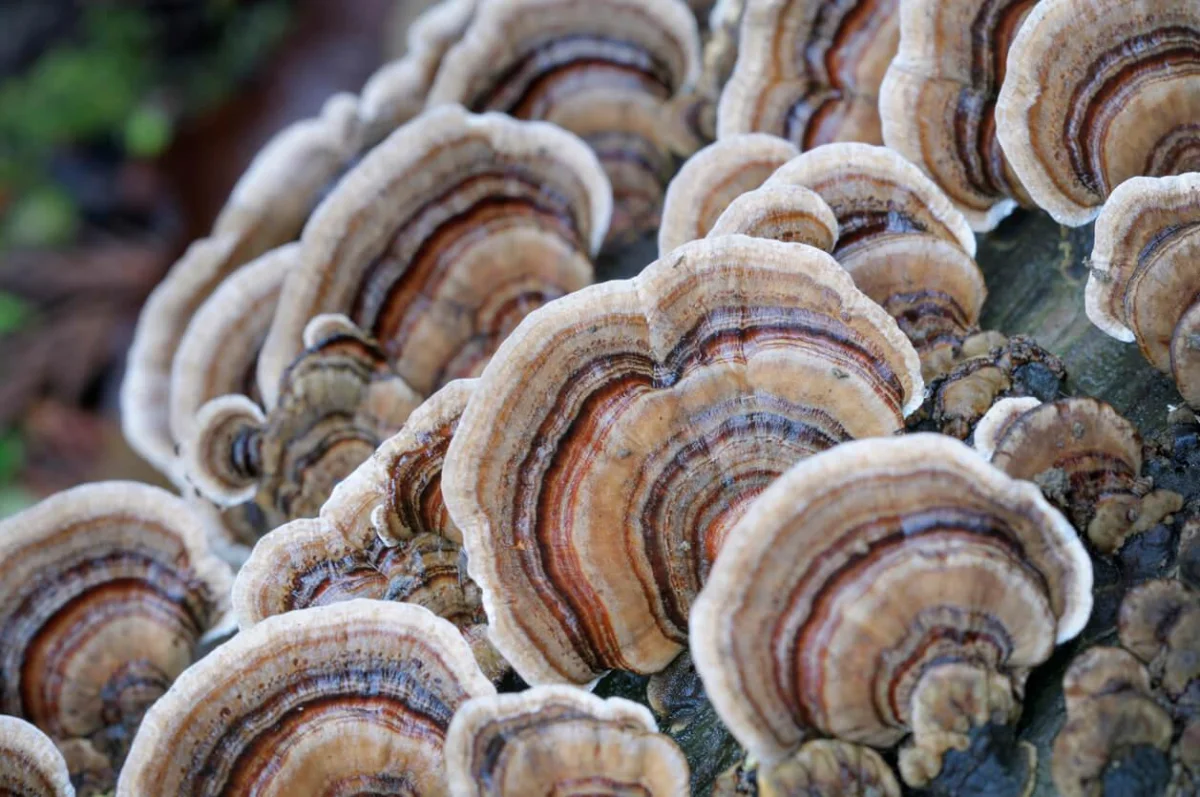
- Turkey Tail (Trametes versicolor, Coriolus versicolor)
- Shiitake (Lentinula edodes)
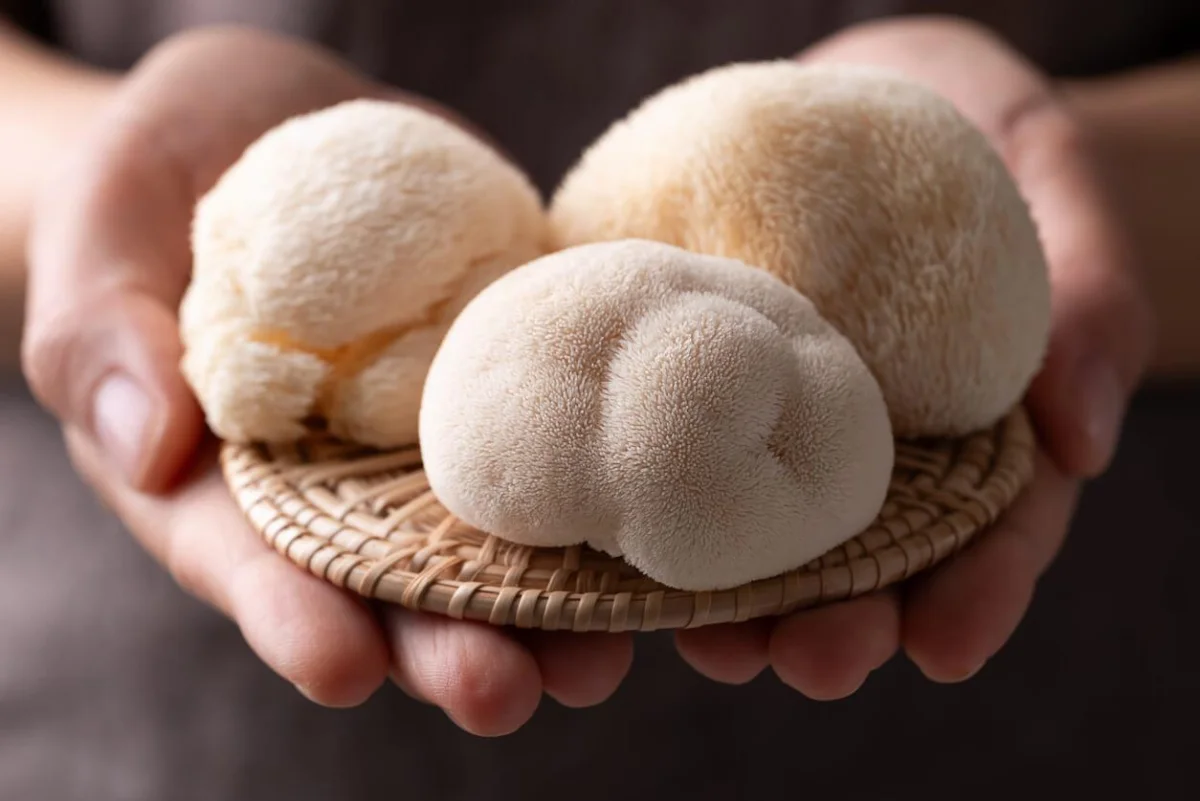
- Lion’s Mane (Hericium erinaceus)
- Cordyceps (Cordyceps sinensis)
Even common button mushrooms possess numerous health-enhancing properties. Below are five significant health benefits attributed to mushrooms, backed by extensive scientific research.
1. Antioxidant Activity
Mushrooms are recognized for their ability to combat oxidative stress. Free radicals can lead to cellular damage and are linked to varying health issues, including those associated with aging. Dietary antioxidants counteract free radical damage and include agents like vitamin C, beta-carotene, and others. Mushrooms contain unique antioxidants such as ergothioneine and glutathione, positioned as excellent sources of these protective compounds.
Research indicates that extracts from the Reishi mushroom may reduce free radical activity, while Chaga exhibits strong antioxidant properties. Polysaccharides extracted from Chaga have been found to alleviate health concerns related to chronic pancreatitis in animal models.

Moreover, a polysaccharide derived from Cordyceps militaris demonstrated improved antioxidant activity in compromised immune systems, suggesting potential benefits for individuals with weakened immunity, such as those recovering from illness or undergoing chemotherapy.
2. Immune System Enhancement and Cancer Support
Mushrooms have been shown to significantly enhance immune function. They boost both the quantity and effectiveness of immune cell components. The intricate workings of the immune system involve various cells, including macrophages, which are crucial for defending against foreign invaders and cancer cells.
For instance, a polysaccharide extracted from Chaga has proven to enhance macrophage activity and cytokine secretion, critical responses to immune threats. A study demonstrated that mice with compromised immune systems showed restored bone marrow production of protective blood cell precursors after 24 days of chaga extract treatment.
Similarly, Reishi mushrooms have been shown to elevate the production of many immune system components, including natural killer cells, which are essential for targeting cancer cells. Clinical trials involving cancer patients treated with Reishi-derived polysaccharides reported significant enhancement in immune function, increasing natural killer cell activity and cytokine levels.

Shiitake mushrooms, recognized for the polysaccharide lentinan, have demonstrated potential in inhibiting tumor growth and minimizing cancer spread. A significant trial involving daily consumption of dried shiitake mushrooms showed improved immune response and reduced inflammation among participants.
Turkey Tail: A Focus on Clinical Evidence
Amid prominent medicinal mushrooms, Turkey Tail shines with extensive research backing its efficacy. Two primary compounds highlighted are polysaccharide-K (PSK) and polysaccharide-peptide (PSP), both instrumental in immune function enhancement. In Japan, PSK is used as an adjunct therapy for cancer treatment, with numerous trials suggesting benefits including improved immune activity and overall patient well-being.
Research indicates that patients receiving PSK alongside conventional cancer therapies experience improved survival rates and reduced side effects from chemotherapy, underscoring Turkey Tail’s burgeoning role in cancer support.
3. Managing Blood Sugar Levels
Certain mushrooms, notably Cordyceps, offer support for maintaining healthy blood sugar levels. Studies reveal that polysaccharides from Cordyceps can aid in lowering blood sugar levels, triglycerides, and cholesterol in diabetic models. Furthermore, a specific preparation of Cordyceps militaris has demonstrated protective effects on renal function among diabetic subjects, highlighting its potential in managing diabetes-related complications.

4. Supporting Brain Health
Lion’s Mane mushroom, adorned with icicle-like spines, boasts significant health benefits, particularly in cognitive function. Its compounds stimulate the production of nerve growth factor (NGF), vital for the development and maintenance of neurons. Clinical studies presented promising results for individuals with mild cognitive impairment, showing enhanced cognitive function scores with regular consumption of Lion’s Mane, emphasizing its role in brain health maintenance.
The mushroom may also help preserve memory types often diminished with aging, such as short-term memory and visual recognition. Advances in research have expanded to explore Lion’s Mane benefits beyond elderly populations, with ongoing studies showing faster cognitive processing and reduced stress in healthy young adults.
5. Improving Exercise Performance
In addition to promoting longevity, Cordyceps are recognized for their potential impact on exercise performance. In clinical trials, an extract known as Cs-4 demonstrated meaningful enhancements in exercise performance and overall well-being among older adults. This effect is believed to stem from adenosine content within Cordyceps, which stimulates ATP production—an essential energy source for cellular functions.
A meta-analysis gathering extensive data from various trials found that Cordyceps sinensis supplementation generally improved endurance performance, despite inconsistencies across certain studies. Variations in cultivation methods and Cordycepin content among products may influence these results, indicating the importance of product quality when seeking performance benefits.
Applying This Knowledge
The medicinal mushrooms discussed offer a range of health benefits that represent significant scientific interest. For those considering incorporating them into their wellness regimen, it’s crucial to be cautious, especially with wild-harvested varieties, some of which may be toxic.
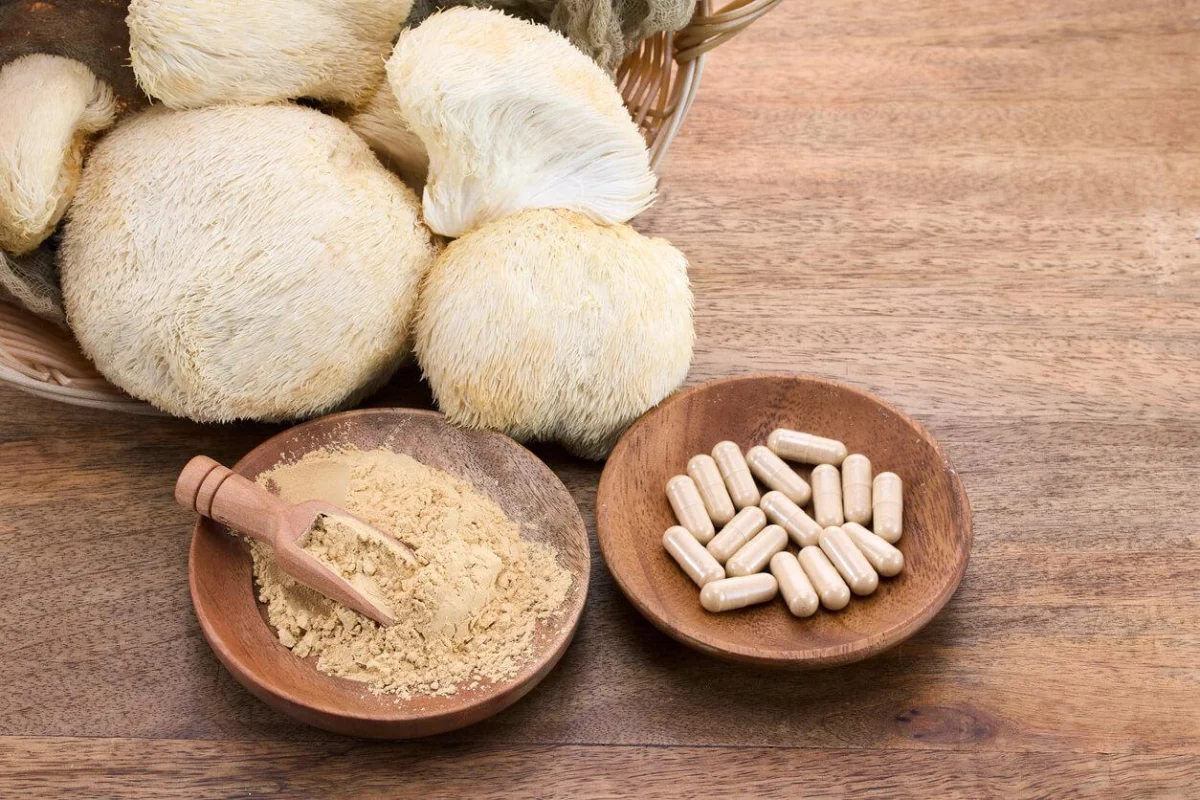
Mushrooms can be consumed in several forms, including whole food, powders, or extracts. Whole mushrooms, like shiitake and lion’s mane, provide culinary enjoyment and health benefits. Powders maintain nutritional profiles but may contain lower concentrations of active compounds. Extracts, usually made via hot water or dual extractions, tend to be the most potent for therapeutic purposes, crucial for mushrooms like Reishi and Chaga, which require specific extraction methods for bioavailability.
When selecting supplements, consider those detailing beta-glucan percentages, extraction methods, certified organic sources, and third-party testing for purity. Most human trials suggest a general dosing range of 1 to 3 grams of extract daily for individual species, starting gradually and consulting healthcare providers, especially for those with health conditions or on medications.
Many health experts advocate combining various medicinal mushrooms for their synergistic effects. Even common grocery store varieties, such as button or portobello mushrooms, possess significant health-boosting properties, making it beneficial to enhance your diet with mushrooms in whichever form they may come.
Addition of mushrooms like maitake has proven especially beneficial for blood sugar regulation and immune support, and they are more readily available than many other medicinal options. Ultimately, embracing mushrooms can offer a plethora of advantages for long-term health.
With their rich history and emerging scientific support, integrating mushrooms into your diet serves as a delightful way to contribute to overall health and well-being.


