Side A · Liner notes
Stay Hydrated and Comfortable with Insulated Cycling Bottles
Nutrition · Words by Joseph Garcia · Released
Insulated cycling bottles help regulate drink temperatures, ensuring comfort during rides. The CamelBak Podium is highlighted as a top choice during a sale.
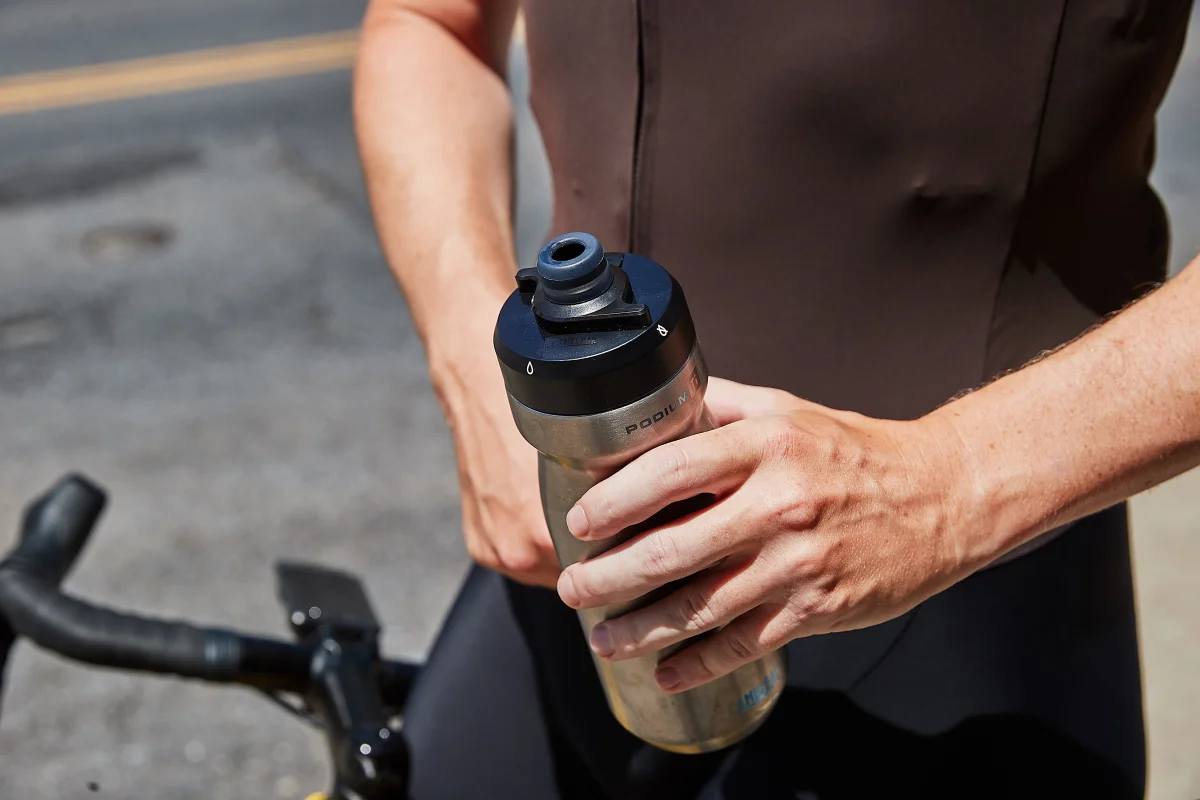
Regardless of the weather, maintaining hydration on cycling rides is essential. Yet, severe temperature fluctuations can make it challenging to enjoy your drink, whether it's too hot in summer or icy in winter. Recent tests have confirmed the effectiveness of several insulated cycling bottles designed to keep beverages at the desired temperature, no matter the season. This fall, you can find significant discounts on these bottles, including the well-reviewed CamelBak Podium Stainless Steel model, now available for just $25—36% off the regular price.


The Importance of Hydration While Cycling
Staying hydrated while cycling isn't just about comfort; it's a key factor in performance and safety. Dehydration can lead to fatigue, decreased coordination, and impaired judgment—all detrimental to cyclists navigating potentially hazardous roads or trails. It’s not uncommon for riders to underestimate their hydration needs, especially during intense or prolonged rides. Soda, coffee, or even energy drinks aren't substitutes for water, as they can lead to a false sense of hydration. Moreover, during extremes in temperature, the body's fluid needs may change drastically. That said, many cyclists overlook how their gear, including the types of bottles they use, can influence their ability to maintain optimal hydration.

The Best Insulated Cycling Bottle
CamelBak Podium Stainless Steel Insulated, 18 oz.
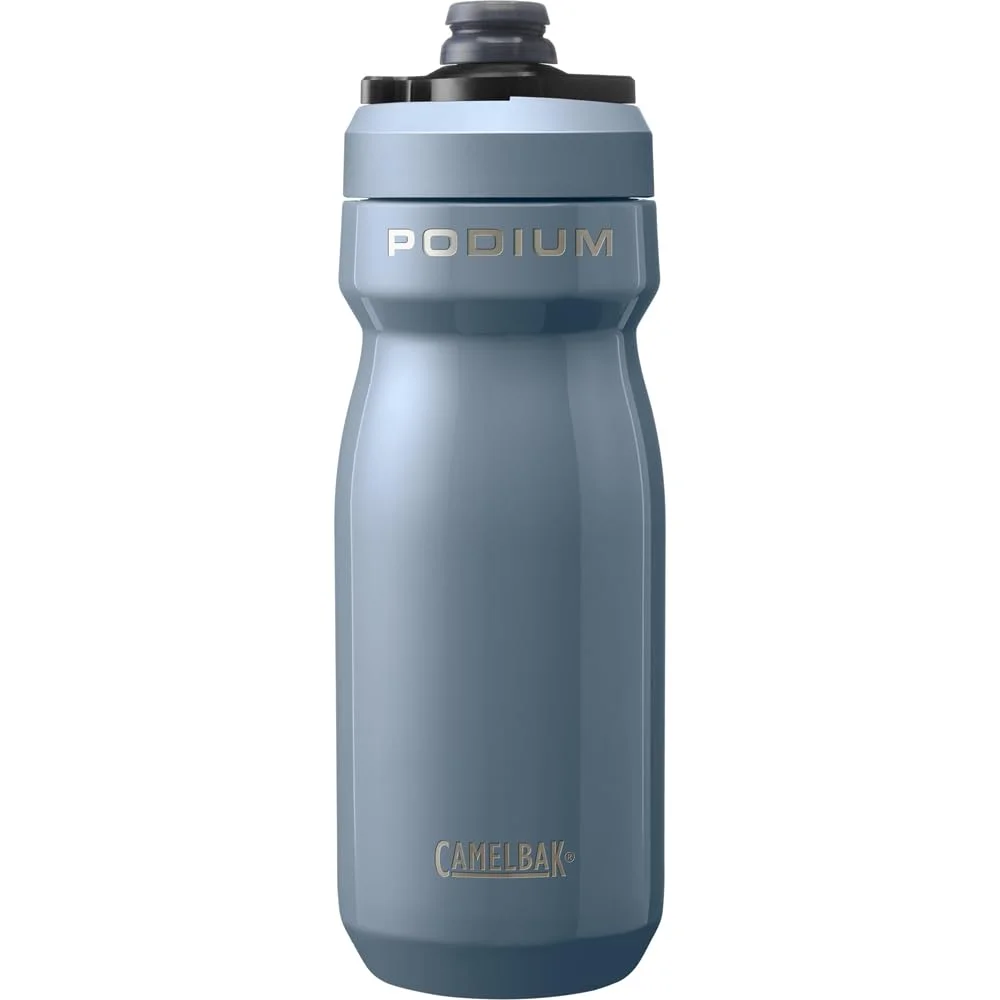
Pros
- Durable stainless construction.
- Effectively keeps drinks cold during hot riding conditions.
Cons
- Adds weight compared to standard plastic bottles.
Even if you have a selection of cycling water bottles, considering an insulated option could be worthwhile for improved hydration during extreme weather conditions. There’s nothing like sipping a lukewarm hydration drink just 30 minutes into a long ride; it can be downright demoralizing. On the other hand, having a bottle that freezes shut on a chilly day doesn't just lead to annoyance—it can disrupt the whole ride. These scenarios reveal why relying solely on standard cycling bottles can be a gamble. You want your hydration to work for you, not against you.

Interestingly, insulated stainless bottles are often overlooked by many cyclists. Perhaps it’s due to concerns about added weight or slightly higher prices. On average, these bottles weigh about 175 to 225 grams more than standard plastic bottles and usually cost an extra $30 to $40. Yet, these concerns may not overshadow the benefits, particularly for those committed to their cycling pursuits. Skepticism surrounding insulated bottles often comes from past experiences with insulated plastics that failed to deliver, but advancements in stainless steel technology are shifting this narrative.

Effective Temperature Control
In rigorous testing environments, various insulated bottles were subjected to extreme summer temperatures—specifically four stainless steel and eight plastic models. The results were impressive: insulated stainless bottles excelled in keeping cold water refreshingly cool, even when conditions soared to 100 degrees Fahrenheit. One notable advantage of stainless steel over plastic is that the former doesn't impart strange flavors to your water on hot days, which can mar the experience of hydration.
During tests this summer, the CamelBak Podium showed exemplary performance, with water warming only 10.1 degrees—from 54.7 to 64.8 degrees—after 180 minutes in conditions peaking at 111.6 degrees. By contrast, a conventional non-insulated bottle soared to a temperature of 100.9 degrees within the same period. The benefits carried over into winter testing, where insulated options maintained their superiority, keeping hot water significantly warmer than non-insulated counterparts even in sub-zero conditions. That’s an important consideration for cyclists who ride year-round.

Winter Performance
The CamelBak Podium maintained its impressive performance in winter analysis, losing only 75.4 degrees after three hours in frigid temperatures, still clocking in at a warm 136.6 degrees. Meanwhile, a standard non-insulated bottle failed to keep the heat, reaching only 39.2 degrees in similar conditions. However, one aspect to note is that transitioning to a spout for consuming hot beverages—like tea or coffee—might require some adjustment. It’s a small learning curve that could pay dividends in comfort on cold rides.

With these testing outcomes in mind, investing in an insulated stainless cycling bottle can significantly enhance your overall hydration experience. Upgrading to models like the CamelBak Podium can be a smart choice for long summer rides. It provides the assurance that your beverage will be at the right temperature, making those long miles more enjoyable. Better-tasting water is an added perk—no one wants to sip on something that’s been scorched by the sun.

Other Insulated Bottles Worth Considering
There are several other insulated bottles on the market that also perform exceptionally well:

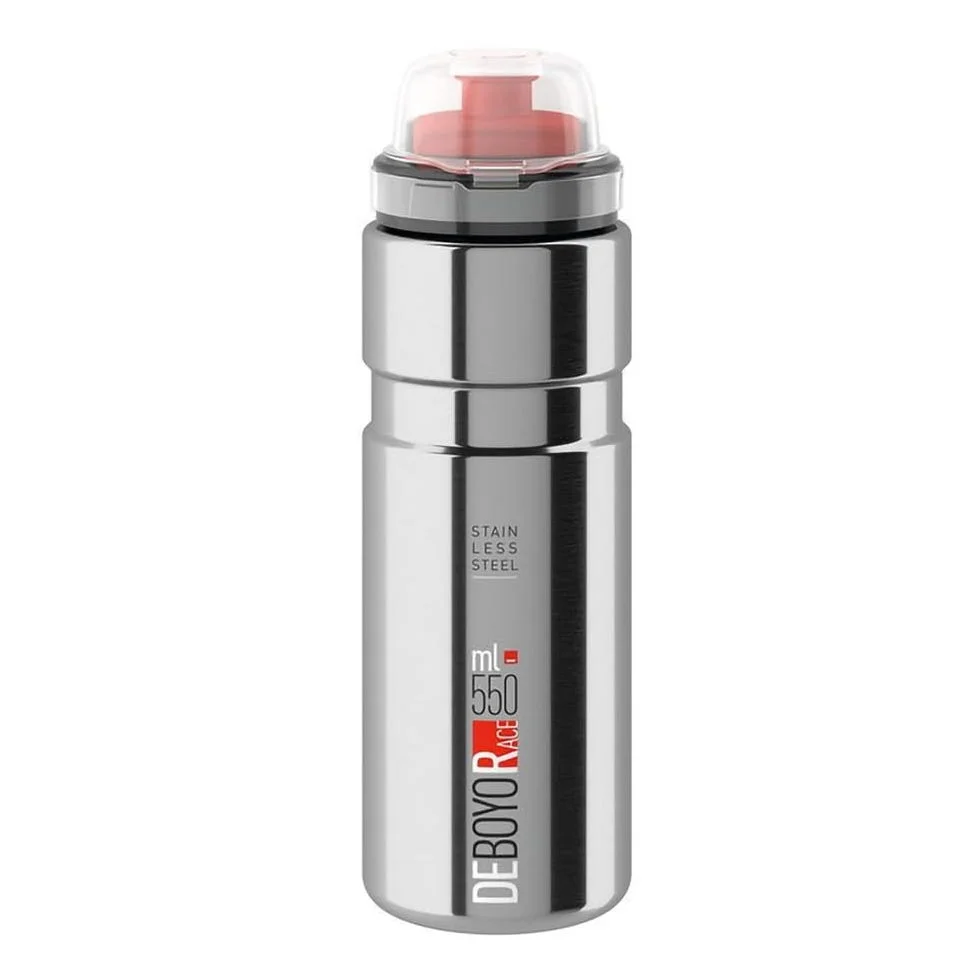
- Elite Deboyo Race Insulated Stainless (550 mL) - $51
- Bivo Trio Mini Insulated Stainless (17 oz) - $44
- Bivo Trio Insulated Stainless (21 oz) - $48
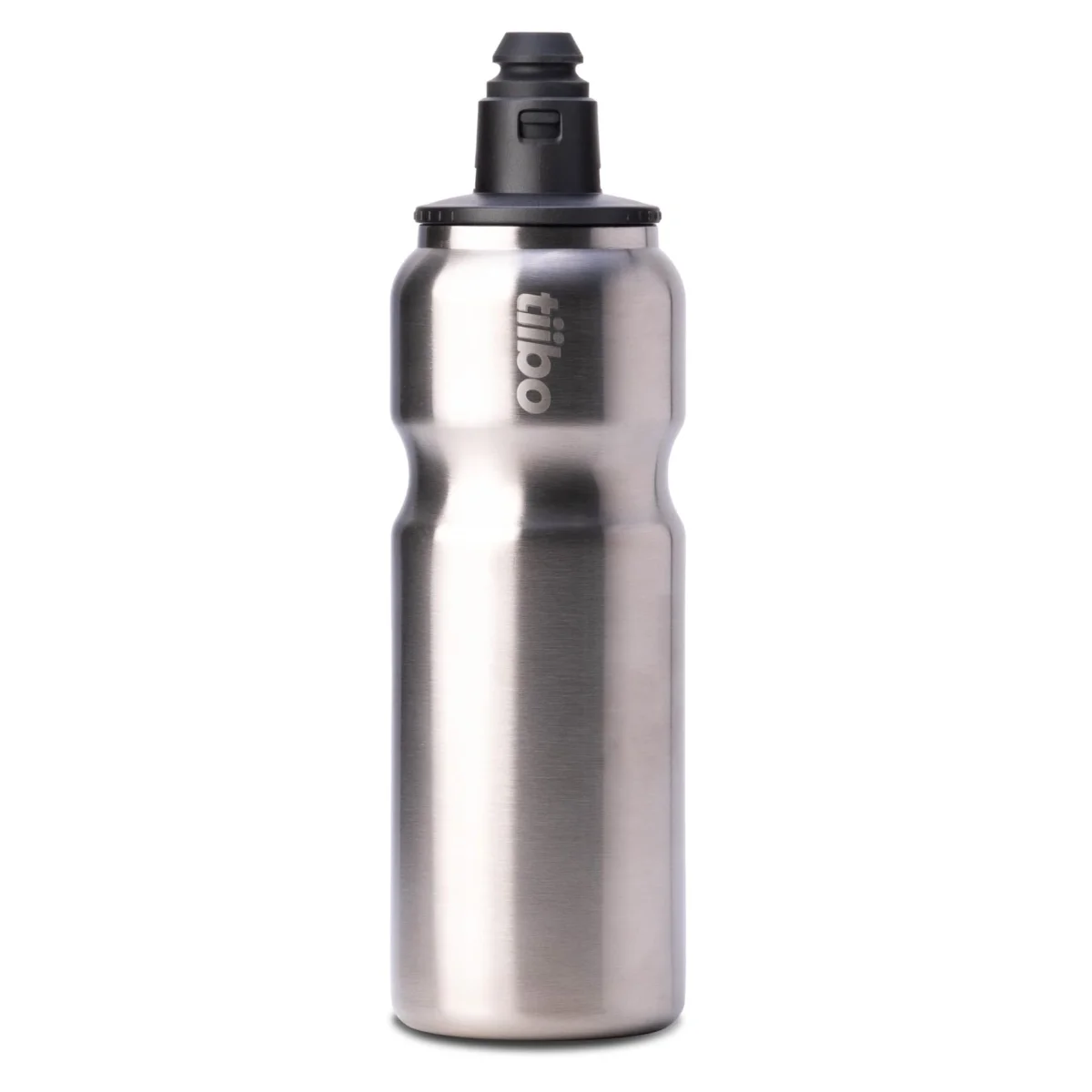
- tiibo Vacuum Insulated Stainless (17 oz) - $35
Investing in a quality insulated bottle can make a notable difference in your hydration strategy while cycling. When you think about your performance and overall enjoyment of the ride, staying hydrated with the right temperature drink is more than just a convenience. It plays a significant role in your endurance and resilience on the road. If you're working in this space as a cyclist, keeping on top of your gear could lead to not just better hydration, but a more enjoyable riding experience overall.

Implications for the Cycling Community
The implications of choosing the right hydration tool extend beyond personal preference; they can echo throughout the cycling community. As more cyclists adopt insulated bottles, we may see a cultural shift toward prioritizing hydration and performance. While not every cyclist may agree on the necessity of insulated bottles, this trend indicates a growing awareness of hydration's role in athletic performance. The difference in experience—sipping on an ice-cold drink during a hot ride versus lukewarm water—could convince newcomers and seasoned riders alike to reconsider their hydration solutions. In short: this might matter more than it appears at first glance.