Side A · Liner notes
Concerns Over Subscription Models in Cycling Equipment Ownership
Nutrition · Words by Joseph Rodriguez · Released
As consumer electronics merge with cycling hardware, concerns arise about companies potentially charging for features already integrated into purchased items.
In recent years, there's been a noticeable shift in how companies define ownership, particularly as they integrate electronics and software into traditionally physical products. Instead of a straightforward purchase, some brands are pushing to redefine our relationship with ownership, favoring licensing models that require ongoing payments. This trend raises significant concerns in industries like cycling, which may soon feel the impact of subscription fees for features in equipment that consumers already own.

The Changing Landscape of Ownership
A clear example of this trend can be seen in the digital media landscape. Recently, Sony announced that PlayStation Video customers in the U.K. would lose access to 551 titles they've purchased when licensing agreements changed in 2026. The terms they outlined made it clear: ownership was effectively temporary, tied to the whims of a licensing agreement rather than the one-time purchase the customers believed they had made. This kind of arrangement—which puts the ownership of digital content into question—serves as a warning sign for other areas where we frequently assume full ownership.

Implications for Physical Products
As more physical goods like bikes and cars incorporate electronic components and software, it’s plausible that brands could adopt similar strategies to monetize functionalities that consumers expect to be part of their purchase. Here lies the dilemma: when does a subscription merely cover ongoing services, and when does it mean paying again to unlock features already built into the products customers have bought?

For clarification, while media companies might charge for access to content libraries or streaming services—much like a library card that grants you access to a plethora of information—charging for features on physical products feels like a step too far. It’s akin to purchasing a home, only to find that basic amenities, like light switches, are under a separate subscription service to activate them.

Real-World Examples
A similar concept was attempted recently by BMW, which offered new cars with heated seats that required a monthly fee to use, making the functionality contingent on ongoing payments rather than a one-time purchase. The significant backlash it received led BMW to reconsider this approach, demonstrating that consumers do have the power to influence corporate policies.

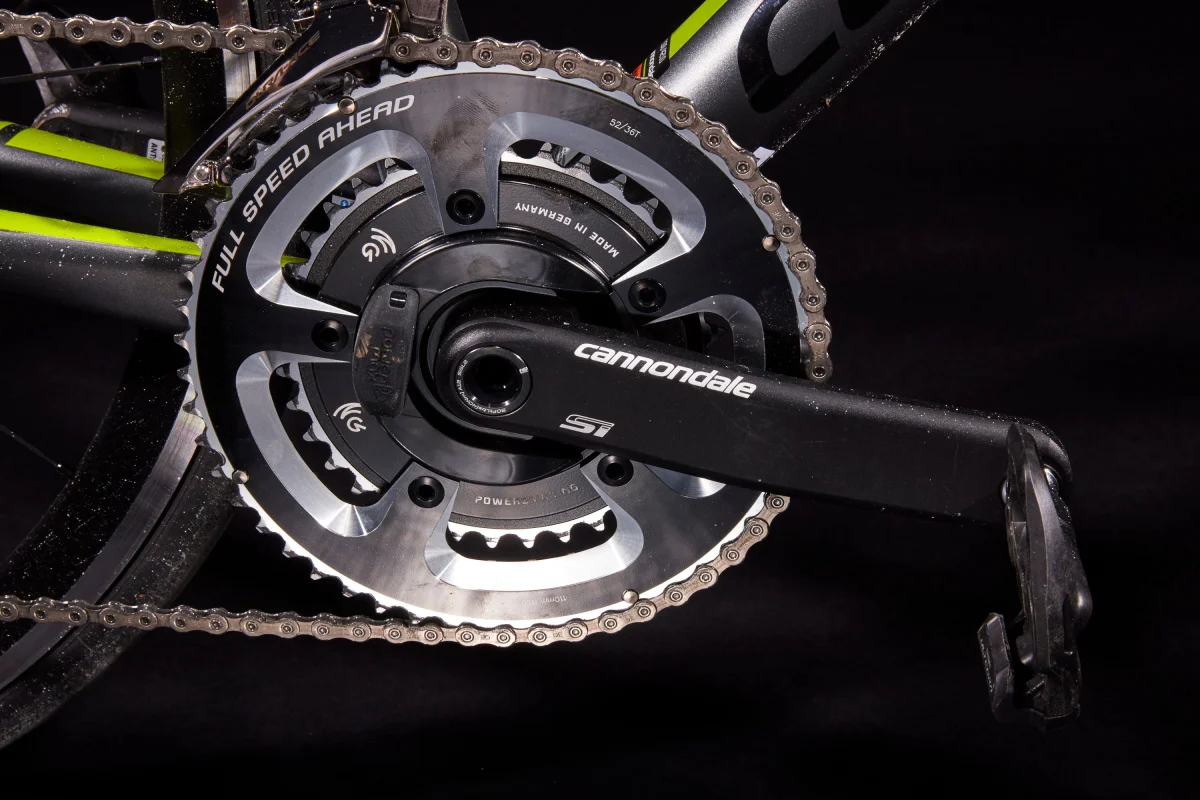
In the cycling world, a comparable situation arose when Cannondale equipped some 2019 road bikes with factory-installed power meters from Power2Max. However, to activate these power meters, customers were expected to pay an additional fee of about $500. Based on customer feedback, Cannondale quickly updated its models to remove such hidden costs.

Future Risks in Cycling Equipment
Despite these instances of consumer pushback, vigilance is needed among cyclists regarding future developments in the industry. As cycling equipment evolves to become more integrated with electronics, various products such as drivetrains, GPS devices, heart rate monitors, and even e-bikes have raised the stakes. The question looms: could companies like Shimano, Garmin, or Wahoo follow suit by charging subscription fees to unlock functionalities that exist in the hardware but remain inoperable until payment is made?

The realities of e-bikes are particularly concerning. The complexity of their software enables brands to impose restrictions that could limit the user experience to specific payment models—potentially placing features like assist levels or firmware updates behind a paywall. If such obstacles arise, it would be frustrating for consumers who have already made a significant investment in these products, fundamentally altering the ownership experience.
The Drive for Conscious Consumption
It's essential for consumers to be proactive and vocal about these trends. While subscriptions to services like streaming platforms or cycling magazines are widely accepted forms of modern consumption, being charged an additional fee to access features on a purchased bike constitutes an unfair practice. Customers deserve the right to utilize all aspects of their hardware without being subjected to recurring charges.
A simple solution to avoid subscription entanglements? Consider opting for traditional, non-electronic components when purchasing cycling gear. By choosing to invest in non-electronic systems, you eliminate the risk of software-based restrictions and enjoy a more straightforward ownership experience without potential fees.
Rallying Against Unfair Fees
Should a brand ever attempt to implement a paywall for features already included in their hardware, it benefits consumers to raise their voices in opposition. Organizing protests, reaching out to customer service, and informing fellow cyclists can send a message that companies need to be cautious in their approaches to ownership and customer service.
While people are willing to pay for services they value, fair customer practices must always be upheld. If cycling brands start holding hardware hostage behind paywalls, it’s time for consumers to take a stand. The relationship between a customer and a brand should prioritize fairness and integrity, not recurring charges that question the very concept of ownership.


