Side A · Liner notes
Common Pitfalls to Avoid When Buying a Used Bicycle
Nutrition · Words by James Garcia · Released
When purchasing a used bike, be mindful of frame damage, wheel conditions, and drivetrain wear to avoid costly surprises.

Buying a used bike can be a financially savvy choice for cycling enthusiasts, especially with rising prices for new models. However, it's easy to overlook critical aspects that could lead to unexpected costs and safety concerns. Many consumers find themselves facing unpleasant surprises post-purchase, often due to unexplored damage or mechanical issues. This article will cover essential aspects to examine when considering a pre-owned bike, focusing on the most common mistakes that can lead to costly repairs or impact your riding experience.
Understanding Frame Damage
The most significant concern for used bike buyers is often frame damage. Fractures or chips in the frame, particularly for bicycles made of carbon or aluminum, can be challenging to spot but are critical for safety and performance. In some cases, sellers may downplay the damage, referring to it as mere cosmetic flaws, which leads buyers to unwittingly invest in a bike that could ultimately require a costly frame replacement. Repairing frame damage is not always feasible, and even if repairs can be made, finding a qualified technician is tricky and expensive.
When comparing prices, consider that a basic road bike might cost around $1,200 new, often accompanied by a warranty and at least one complimentary tune-up or service. In contrast, if a used bike's frame requires replacement or repair, additional costs can quickly accumulate—ranging from labor fees to purchasing compatible components. Surprisingly, the total expense can ascend to or even exceed the price of a new bike under these circumstances.
To mitigate risks, perform a comprehensive inspection of the frame. Look in hard-to-reach areas where dirt may mask damage, such as beneath the handlebars or near the wheels. Bring a cloth or shop rag to wipe away grime, allowing for a clearer view. It’s advisable to steer clear of bikes with substantial frame damage unless you're willing to use them as display pieces rather than functional rides.
Evaluating Wheel Condition
Issues with wheels can significantly affect a bike's performance and safety. They represent another common pitfall for buyers. Many used bikes arrive at bike shops with wheels that are beyond repair, resulting in exorbitant costs to replace them. This situation often takes buyers by surprise, as they may not factor in the potential costs of wheel replacement when budgeting for their bike. Labor for wheel building can cost around $100, not including parts; thus, understanding the condition of the wheels is crucial.

Common reasons for needing wheel replacement include cracks at the rim, excessive lateral movement in the hub, or a wheel that is significantly out of true. To conduct a preliminary assessment, examine the spokes where they connect to the rim for cracks and test the wheel for lateral movement by holding the frame steady and trying to wiggle the wheel side-to-side. Additionally, spin the wheel and use your thumb to gauge any severe wobbles by keeping it at a consistent distance from the rim. A minor wobble can typically get straightened for under $50 at a local shop, but severe issues may warrant a full replacement.
Inspecting the Drivetrain
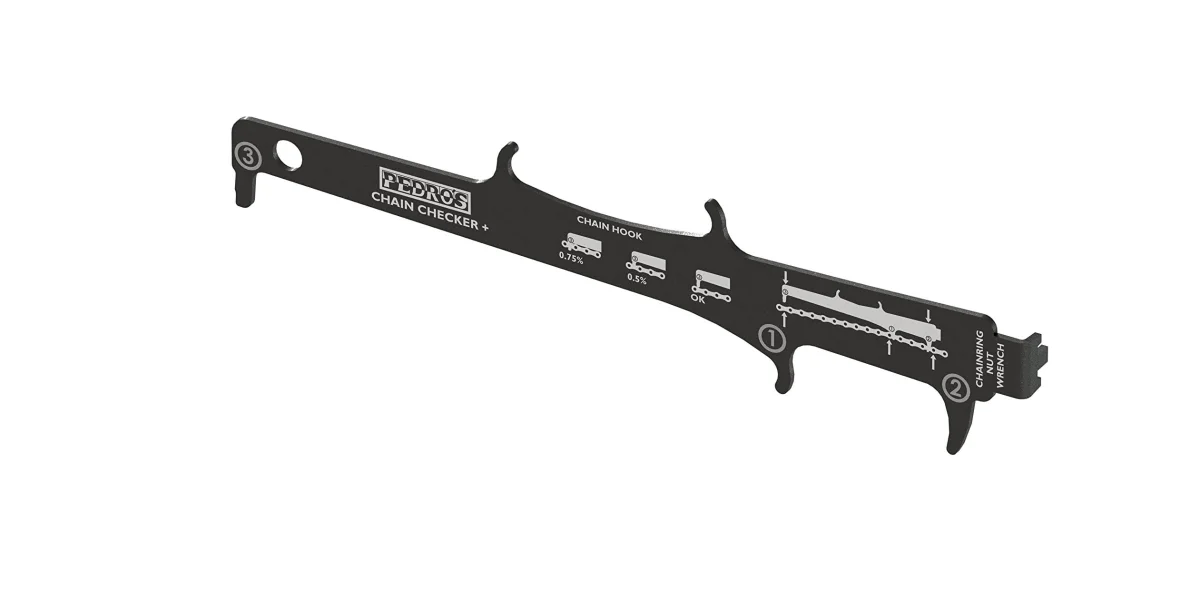
The drivetrain, which includes the chain, gears, and cranks, is another area where used bike buyers can face unexpected expenses. The wear on these components can often go unnoticed, leading to potential performance issues and high replacement costs. A chain checker is a simple, inexpensive tool designed to examine the wear level of the chain. Having this tool can save buyers hundreds of dollars by signaling the need for any replacements before they make a purchase.
On modern bikes, many mechanics recommend replacing chains when they show 50% wear and their associated components—like cassettes and chainrings—when the chain exceeds 75% wear. Visual checks can be undertaken; worn gears may start to resemble shark teeth due to uneven wear on the teeth, indicating a potential need for replacement. Additionally, observe the chain’s positioning; if it lifts easily from the gear, it could signify considerable wear.
Costs related to drivetrain repair can run into the hundreds, especially if multiple components need replacing. Therefore, understanding the condition of the drivetrain before making a decision is vital to avoiding budget surprises down the line.
Best Practices for Purchasing a Used Bike
Buying a used bike doesn't have to be fraught with risks if you take the right precautions. One effective strategy is to have the bike examined by a professional before finalizing the purchase. A safety check or base-level tune-up from an experienced bicycle technician allows for a thorough inspection that can identify any hidden issues. This approach can ultimately provide peace of mind and assure you that your investment is in good standing.
If you prefer not to engage a shop, consider utilizing local bike clubs or engaging knowledgeable friends to help with the assessment. Even simple connections within your cycling community can help identify any issues associated with a used bike.
Another useful tactic I employed in my experience is to have the seller meet at a shop for an unbiased inspection. It’s a simple yet effective strategy; however, ensure you contact the shop beforehand to clarify if they offer this service.
This discussion concentrated on road, gravel, and hybrid bikes, but the same principles apply across categories, including mountain bikes, which might carry their own distinctive concerns, like suspension issues or pivot bearings. As you navigate the used bicycle market, remaining informed about potential pitfalls and taking preventive measures can make your buying experience much smoother and satisfying.


