Side A · Liner notes
Mindful Winter Solstice: Embracing Rituals for Gratitude and Renewal
Nutrition · Words by Calm Editorial Team · Released
Explore the significance of the winter solstice and discover seven mindful rituals to celebrate this time of reflection and gratitude.
As the winter solstice approaches, many people in the Northern Hemisphere prepare to embrace the longest night of the year, which typically occurs on December 21st. The winter months often feel heavy with shorter days and longer nights, creating an opportunity for introspection and connection to our inner selves. While the darkening days may lead some to feelings of fatigue or seasonal depression, others find this time a welcome invitation to pause and reflect.
The winter solstice, a moment marking the peak of darkness, encourages individuals to celebrate the slow return of light. This ancient observance has been practiced for thousands of years, as people around the world have gathered to honor this transition with rituals that connect them to nature and one another. Rather than rushing into New Year’s resolutions, this season allows for a different kind of goal: one focused on mindfulness, gratitude, and presence.
Understanding the Winter Solstice
The winter solstice represents a powerful astronomical event where the Earth’s axis tilts farthest from the sun, resulting in the shortest day and longest night. This natural phenomenon provides an occasion to stop and reflect, as the gradual return of sunlight begins.
Throughout history, cultures have celebrated the winter solstice by gathering at significant sites oriented towards the sun's rising, such as Stonehenge and Newgrange. It’s a time when families and communities come together, share meals, and acknowledge the cycles of nature.

The Purpose Behind Celebrating the Solstice
At its essence, the winter solstice celebrates our connection to nature, the importance of community, and the recognition of something larger than ourselves. Early communal gatherings were created to sustain cultural bonds, offering warmth, nourishment, and fellowship during the darkest of seasons. Today, while our rituals may differ, the underlying need for connection remains.
Reflection and Gratitude During Winter's Darkness
The longer nights naturally lead us to introspection, providing an opportunity to examine our lives closely. As energy levels wane, it's common to reflect on past experiences and contemplate those feelings of gratitude and intention that pave the way for the future.
Many individuals use this time to engage in practices like journaling, meditation, or simply enjoying moments of quiet contemplation. Acknowledging both the dark and light aspects of life strikes a balance, which is essential in preparing for the new beginnings that the returning light promises.

Spiritual Significance of the Winter Solstice
For many, the winter solstice symbolizes rebirth. This point of transition implies that with every ending comes the chance for a new beginning. Numerous cultures commemorate this transition uniquely: from the Yule traditions in Northern Europe that embrace the sun's return with fire and greenery, to the Chinese Dongzhi festival, which celebrates the increase of yang energy.
No single tradition has to be followed to appreciate the spiritual essence of this period. Even a few peaceful moments spent in contemplation can serve as a personal spiritual practice, allowing time to nurture aspirations for the upcoming season.
Seven Mindful Rituals for Celebrating the Winter Solstice
Celebrating the winter solstice doesn’t have to be complicated or mystical. What is essential is a genuine intention to pause, reflect, and acknowledge where you stand as you invite the light back into your life. Here are seven rituals to consider, which can be personalized to fit your circumstances, either alone or with loved ones:

1. Candle or Lantern Lighting
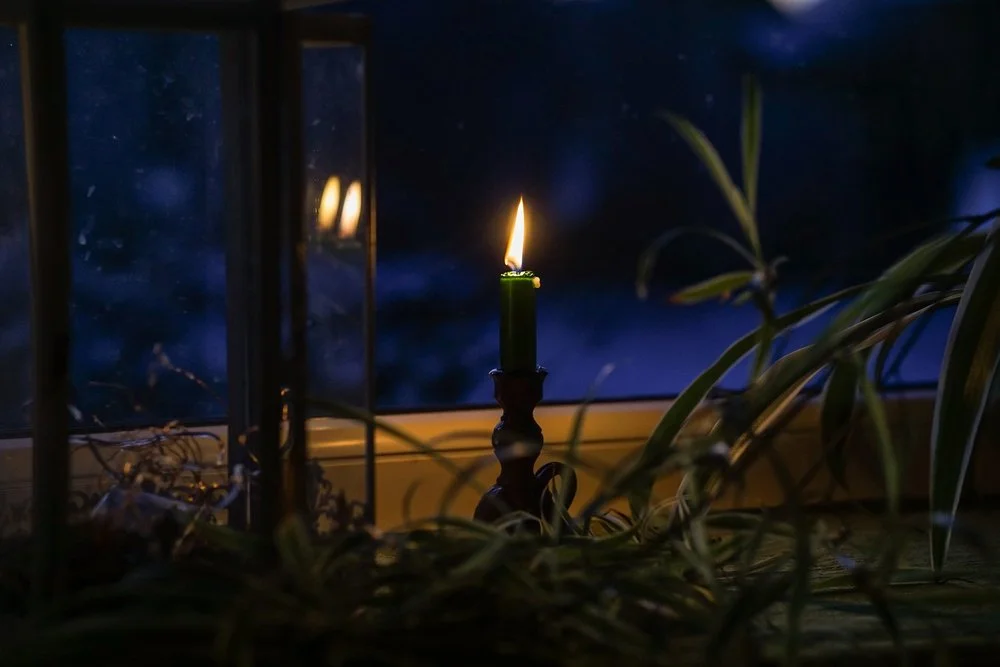
Lighting candles marks one of the oldest and most profound ways to honor the solstice. It symbolizes hope and the gradual return of sunlight. You might light a single candle in solitude to meditate, focusing on what the light signifies for you—be it resilience, gratitude, or determination.
If you’re celebrating with family or friends, invite each person to light their own candle and share a gratitude statement. The flickering candlelight can foster warmth and connection amongst gathering participants.
2. Story Sharing
Storytelling acts as a communal anchor, offering individuals the chance to bond and process experiences together, especially during darker times. Share significant memories from the past year during a cozy gathering or around a fire; these can be heartfelt, humorous, or transformative.

For solo participants, consider recording your thoughts in a voice memo or journaling to capture what you have learned throughout the year, creating a tangible memory to reflect upon next solstice.
3. Writing and Releasing
The winter solstice serves as an optimal moment to release habits, expectations, or unhealthy attachments. Engage in free journaling about what you would like to let go of as the new season unfolds. If you're comfortable, physically tearing the paper might symbolize your act of release.
If that feels overly ceremonial, taking a breath in silence after writing can still encapsulate the essence of letting go.

4. Preparing a Solstice Feast
Rather than focusing on presentation, a solstice feast delights in the warmth and nourishment of food shared among loved ones. Prepare a hearty dish such as soup or roasted vegetables and create an inviting atmosphere with gentle lighting.
When gathering with friends or family, have each participant contribute a dish meaningful to them. If you’re celebrating on your own, turn your meal into a sensory experience by savoring each bite mindfully, coupled with soothing music.
5. Reflecting and Setting Intentions
This season is ideal for establishing intentions centered on how you wish to navigate the year ahead. Rather than rigid resolutions, think of themes such as “growth,” “connection,” or “balance.” Reflect on these intentions quietly during a candlelit moment after your meal.

If additional guidance is desired, consider participating in a reflective meditation or guided exercise that promotes clarity in setting your intentions.
6. Outdoor Observation
Connecting with nature amidst the backdrop of winter can enhance your sense of presence. Step outside after nightfall, breathe in the fresh air, and observe the celestial landscape. Engage with the surroundings by taking a leisurely walk or standing still while soaking in the scene.
This relationship with nature serves as a powerful reminder that despite the darkness, we are part of an ever-renewing cycle.

7. Creating a Gratitude Space or Altar
Crafting a dedicated space for gratitude can be a grounding practice, whether or not you identify as spiritual. Use meaningful items like flowers, candles, photos, or notes from loved ones to create a simple display that honors what you appreciate in your life.
Keeping this space intact for a few days post-solstice allows for continued reflection and a sense of mindfulness as the light begins to return.
Frequently Asked Questions About Winter Solstice Celebrations
What is the significance of the winter solstice?
The winter solstice celebrates the transition toward longer days and symbolizes a balance between darkness and light. It encourages personal reflection, renewal, and community connection.
How can I set intentions on the solstice?
Set intentions by journaling about positive experiences from the past year and identifying themes you'd like to carry forward. Keep it simple and personal for the most impact.
Can I celebrate the winter solstice on my own?
Absolutely! Engaging in personal rituals can be equally meaningful. Activities such as cooking a meal, journaling, or enjoying candlelight alone can be powerful moments of reflection.
Do people in the Southern Hemisphere celebrate the winter solstice too?
Yes, the Southern Hemisphere observes the winter solstice around June 21st. The meaning remains consistent, centered on reflection, gratitude, and renewal.
What modern traditions can I adopt for a winter solstice celebration?
Consider simple traditions like hosting a candlelit dinner, sharing gratitude expressions, or adapting natural décor into your space. Celebrate in ways that resonate with you and feel meaningful.
How can children participate in solstice celebrations?
Children can enjoy the wonder of the solstice through activities such as crafting lanterns, baking seasonal treats, or stargazing. These rituals help cultivate an understanding of nature's cycles while nurturing gratitude and joy.
Why is reflection important during the winter solstice?
Reflection aligns with the natural rhythm of rest before renewal and fosters personal growth. Acknowledging past experiences helps to process emotions and embrace the future with clarity.
Is the winter solstice truly the longest night of the year?
Yes, the winter solstice signifies the longest night, with the days gradually lengthening thereafter. This change is a gentle reminder that transitions occur gradually over time.
The rituals and meanings behind celebrating the winter solstice provide a framework for embracing the season with mindfulness and intention. Whether shared among a community or experienced in solitude, these practices offer meaningful ways to connect with oneself and the natural world. Each ritual encourages reflection and gratitude, welcoming the light's return and renewing our spirits as we move forward into the new season.


