Side A · Liner notes
Understanding Birthday Blues: Why They Happen and How to Cope
Nutrition · Words by Calm Editorial Team · Released
Birthday blues are more common than you might think. Discover why they occur and explore seven practical tips to help improve your mood on your special day.
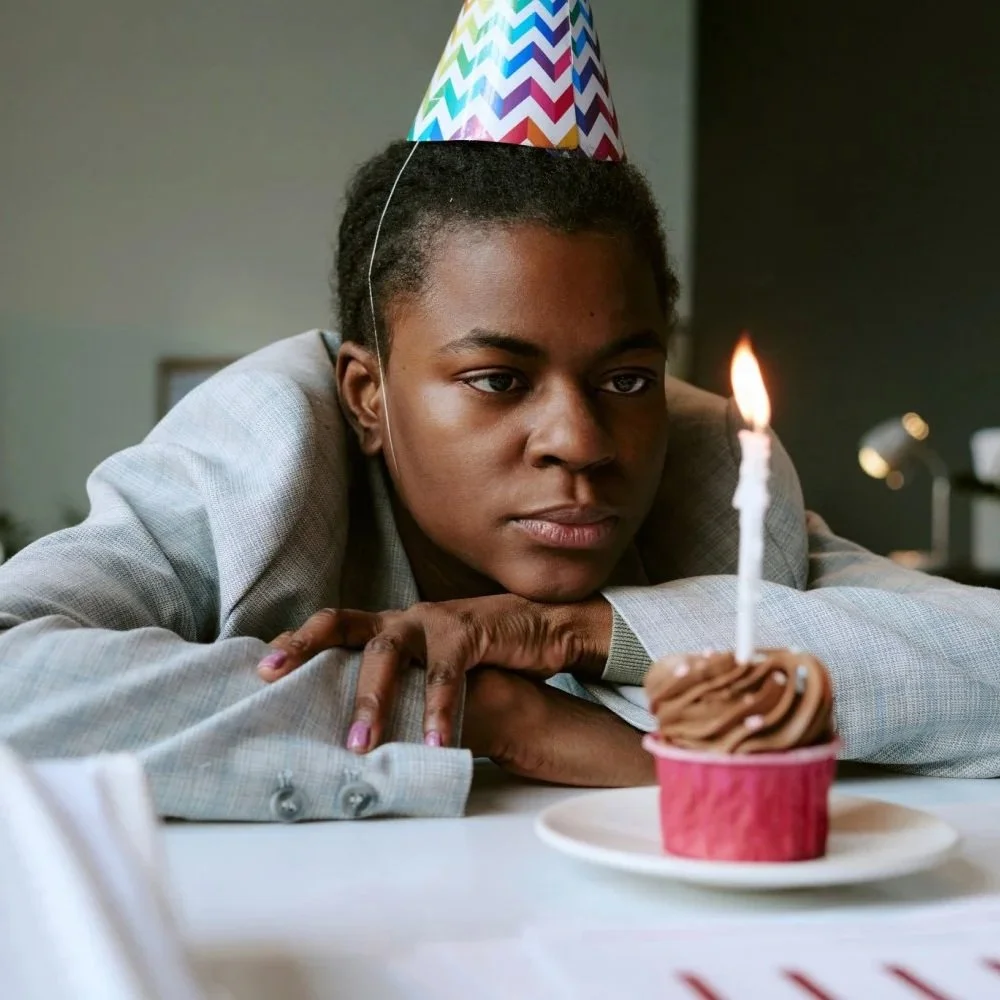
Celebrating another year of life can bring joy for many, but for some, it triggers what is often referred to as the "birthday blues." If you're feeling apprehensive about your upcoming birthday, you're not alone. Many individuals experience sadness or anxiety linked to their birthday. Below, we delve into what the birthday blues are, why they occur, and share seven gentle strategies to help you manage any negative feelings on your special day.

Understanding Birthday Blues
Birthday blues refer to a temporary dip in mood or wellbeing surrounding one's birthday. Emotions may manifest as sadness, irritability, anxiety, or simply feeling out of sorts. These feelings can surface in the days leading up to the birthday, on the day itself, or both. Unlike clinically recognized conditions, birthday blues are not included in the diagnostic manual for mental health professionals, the DSM-5. However, many therapists observe recurring patterns associated with this phenomenon, including unmet expectations, a sense of pressure, social comparisons, and feelings of grief.
Distinguishing Birthday Blues from Birthday Depression
It’s crucial to differentiate between birthday blues and birthday depression. While birthday blues are typically short-lived and resolve within a few days, birthday depression is more severe and can affect day-to-day functioning long after the event. Although neither is a formal diagnosis, if feelings of sadness persist for more than two weeks or seem disproportionately intense, it may be beneficial to speak with a healthcare professional about possible underlying issues like depression or an adjustment disorder.

Common Triggers of Birthday Blues
Numerous factors can contribute to feeling down on your birthday, ranging from personal circumstances to cultural influences:
- Social Comparisons: Birthdays often prompt reflection on one's life achievements. Comparing yourself to peers who appear to be ahead in life can lead to feelings of envy and diminished self-worth.
- Unmet Expectations: With social media showcasing extravagant celebrations, there can be pressure to have a similarly grand experience. When reality fails to align with these inflated expectations, disappointment can follow, even if nothing has genuinely gone awry.
- Reminders of Loss: Birthdays can evoke memories of lost relationships or past grievances, sparking feelings of grief. This phenomenon is sometimes termed an "anniversary reaction," where specific dates bring emotions to the forefront.
- Aging Pressure: Each birthday serves as a reminder of aging, potentially prompting anxiety about health and future expectations. This is often magnified during milestone birthdays, which can generate significant life reassessment.
- Routine Disruption: Changes in daily routines, especially those involving added attention or pressure to celebrate, can cause anxiety for those who prefer low-key experiences.
Seven Strategies to Manage Birthday Blues
If your birthday blues are weighing on you, consider the following tips to find solace. These are intended to promote calmness and enjoyment, not to force happiness.

1. Lower Expectations
Begin by managing your expectations leading up to your birthday. Reflect on the type of celebration that feels authentic to you, and let go of preconceived notions about what a birthday should look like. If a simple day at home brings you joy, embrace it.
2. Plan Meaningful Activities
Think about what activities genuinely excite you. Whether it's exploring a new part of town, indulging in a favorite film, or spending quality time with loved ones, prioritizing an experience you look forward to can boost your mood.

3. Name Your Emotions
Understanding your feelings is vital. Instead of burying them, take a moment to identify what you’re experiencing, whether it’s anxiety about aging or feelings of loneliness. Allow yourself to acknowledge these emotions without judgment, which can help in processing them more effectively.
4. Practice Mindfulness
Mindfulness can help ground you when overwhelming feelings arise. Simple techniques, such as deep breathing, can offer respite from anxiety and assist in centering your thoughts. Consider taking a few moments to breathe deeply, observing your feelings as they surface without dismissing them.

5. Limit Social Media Interactions
On your birthday, it may be beneficial to limit social media usage. Constantly scrolling can intensify feelings of inadequacy or anxiety, particularly if you compare your day to others. Taking a break from these platforms can help protect your wellbeing.
6. Reach Out to Trusted Friends
Don't hesitate to connect with someone you trust. Sharing your feelings with a compassionate friend can lighten emotional burdens. Instead of coping alone, seeking support allows you to feel understood and less isolated.

7. Treat Yourself
Commit to doing something nice for yourself. This could be as simple as enjoying a long bath, diving into a good book, or treating yourself to your favorite meal. Celebrating your birthday in a manner that feels nurturing can redefine the day's significance for you.
Frequently Asked Questions about Birthday Blues
How common are birthday blues?
Birthday blues are more prevalent than often recognized. Although not formally classified as a condition, the feelings associated with birthday blues—such as social comparison and unmet expectations—are widespread and relatable experiences.

Why might I feel sad on my birthday?
Sadness can sometimes arise without a clear reason. Birthdays can trigger reflections on past events and future expectations, even if everything appears fine externally. Feelings of sadness are valid, regardless of their origin.
Are birthday blues synonymous with depression?
Birthday blues are transient and linked specifically to the day, while clinical depression entails more persistent symptoms affecting daily life. If your feelings linger, consider checking in with a mental health professional.
What if I already have plans but don't feel up to them?
You’re not obligated to stick to any plans if you're feeling overwhelmed. Assess what aspects of your day are manageable, and don’t hesitate to take a step back or modify your plans as needed.
Can social media worsen birthday blues?
Yes, social media can amplify feelings of inadequacy on birthdays due to visibility into others’ experiences. A temporary digital detox on your special day could help improve your mood.
Do birthday blues get worse with age?
While birthday blues themselves may not become more pronounced with age, milestone birthdays can heighten reflection and critical self-assessment, which could intensify feelings surrounding the occasion.
Is it normal to cry on my birthday?
Crying on your birthday is normal and can be a healthy way to cope with the emotional weight of the day, whether stemming from joy, regret, or reflection.
When should I seek help for birthday depression?
If feelings of sadness last over two weeks or are accompanied by significant changes in appetite, sleep, or withdrawal from activities you usually enjoy, consider reaching out to a healthcare professional for support. Remember, there is help available, and your well-being is a priority.
Your birthday doesn't have to be a time of pressure and anxiety. By incorporating some of these strategies, you can navigate your birthday with a sense of peace and fulfillment.


