Side A · Liner notes
Managing the Secrets of Weight Loss Medication in Relationships
Nutrition · Words by Rebecca Flint Marx · Released
Many women are keeping their weight loss medication use private from partners. Understanding this secrecy can shed light on the challenges of open communication.
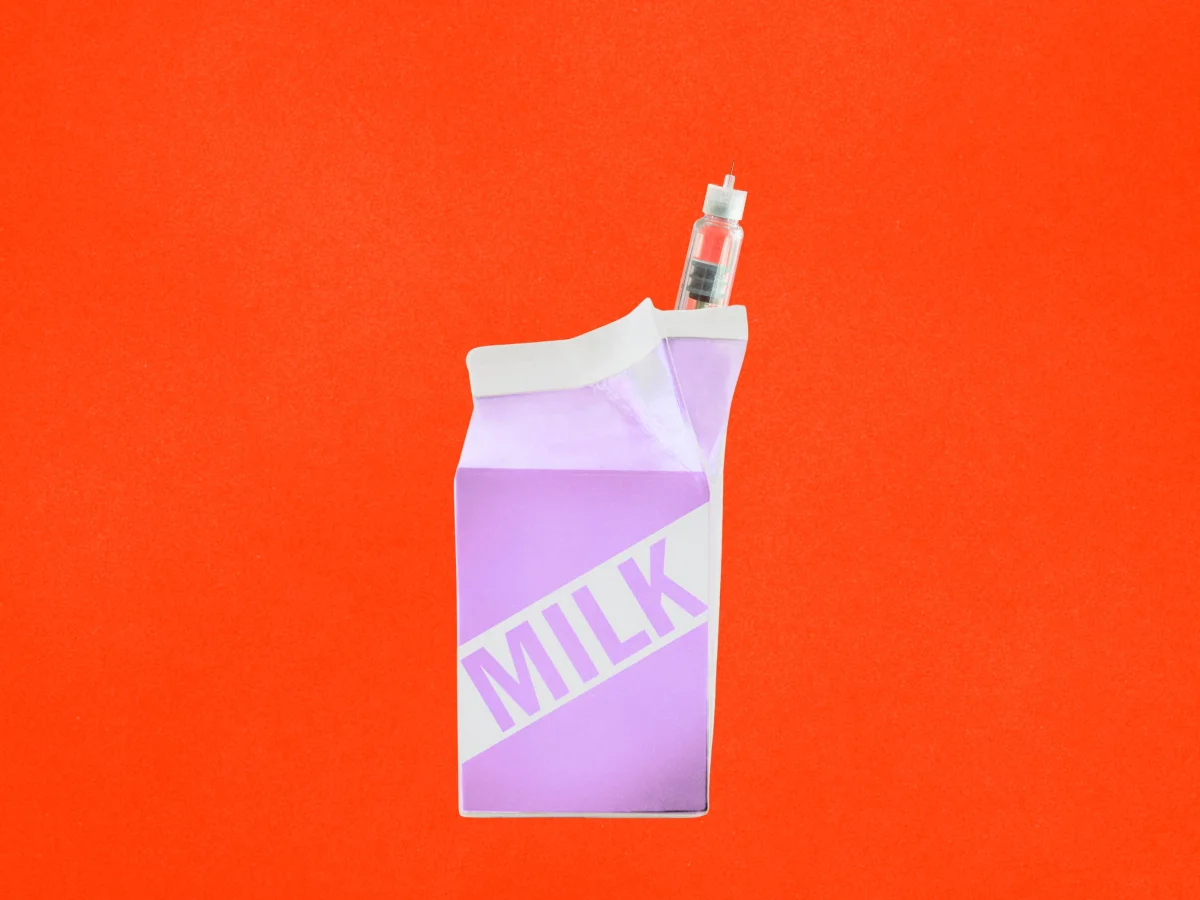
The experience of Caroline, a 34-year-old from Montreal, reflects a growing trend among women who choose to keep their use of weight loss medications, such as Wegovy, secret from their partners. After successfully losing 30 pounds on Wegovy, Caroline initially shared her weight loss journey with her boyfriend and family. However, when considering the future of her relationship, especially discussions about starting a family, she began to conceal her medication use from them.
Caroline’s reasoning stems from both personal concerns and the potential for conflict. She describes her tendency to hide the medication by stashing it in less obvious places—such as the back of the fridge—especially when visiting his family or when traveling together. This secrecy not only adds logistical challenges but also creates feelings of awkwardness and tension.
Why Women Keep It a Secret
Caroline is not alone in her discretion regarding weight loss medications. On online forums, such as the subreddit r/GLP1microdosing, many women share strategies for keeping their medication hidden. Women report using a variety of containers—from empty probiotic bottles to food packaging—to conceal their treatments. The motivations behind these choices often reflect a fear of judgment and unwanted discussions with partners. As one forum participant elaborated, she preferred to avoid the potential backlash and critical opinions that might arise if her partner discovered her treatment.
Dr. Kia Mitchell, a specialist in family and obesity medicine, has observed this trend in her practice, noting that many of her patients prefer to manage their medical journeys independently. This desire for control enhances feelings of empowerment, as they can choose when and how to disclose their medication use, reducing potential barbs about weight or appearance. However, this secrecy can also create emotional burdens and stress, which may interfere with the very efforts to lose weight.
The Risks of Keeping It Hidden
While the choice of secrecy may feel empowering, Dr. Mitchell points out several potential risks tied to concealing GLP-1 medications. For instance, those in relationships might face challenges in discussing health matters that arise from medication side effects. Furthermore, if a partner is unaware of the weight loss journey, it could complicate discussions around pregnancy, as taking GLP-1 medications poses unique considerations during conception. Managing health should ideally involve open dialogues, but secrecy can lead to additional complications and stress—factors that can adversely affect weight loss efforts.
The Role of Telemedicine
The rise of telehealth services has simplified obtaining weight loss medication, often allowing patients to bypass traditional in-person appointments. Caroline, for instance, was able to secure her prescription for Wegovy through an online platform, with minimal initial assessment. This convenience also facilitates secrecy, as she currently avoids discussing her prescription even with her primary care physician, fearing a breach of trust. This leaves her relying on online tools for guidance—an approach she recognizes as potentially problematic.
Dr. Craig Primack, a weight management specialist, emphasizes that while virtual consultations do offer privacy, they also risk reducing the necessary support structure for patients. He acknowledges that many patients choose to remain silent about their medications until they see results, which can unintentionally lead to jealousy or change dynamics within relationships. This tension surrounding weight and attractiveness can create emotional strains, further complicating the secrecy surrounding medication use.
Open Communication: A Path Forward
Given the sensitivity surrounding discussions about weight loss and medication, many women face hesitation about sharing their experiences with partners. Dr. Rachel Goldman, a clinical psychologist and expert in weight management, suggests that successful conversations begin with self-reflection. Understanding one’s motivations for pursuing treatment opens the door to more meaningful discussions about weight loss medication with partners.
Preparation plays a crucial role in facilitating these conversations. Dr. Goldman recommends rehearsing potential dialogues, focusing on personal experiences, and formulating responses to anticipated reactions. This preparedness creates a foundation for open dialogue, fostering an environment where both partners can communicate effectively. The ultimate aim is not perfection in the dialogue but rather a step towards increased honesty and understanding within the relationship.
Reflections on Secrecy
Caroline’s journey encapsulates the complex interplay between weight loss, personal health decisions, and relationship dynamics. While the secrecy surrounding her medication offers short-term comfort, it also leads to a cycle of anxiety and stress about how her treatment is perceived by her partner. As she reflects on her treatment and her relationship, she recognizes that navigating these discussions—though challenging—might yield a greater sense of support and understanding from those closest to her.
The conversations about weight loss and medication can serve as an opportunity to build trust within relationships. However, they also require time, patience, and emotional preparation. As Caroline and many others weigh the pros and cons of disclosure, the path remains personal and complex. They find themselves balancing the desire for privacy with the need for connection—a nuanced journey in the context of weight loss and relationship dynamics.
In the end, whether it’s finding a discreet container or having an open discussion, the approach that individuals take will resonate with their circumstances and relationships. Ultimately, fostering honesty and communication can pave the way for greater support in health journeys.
Related:
- Everyone Wants This Unapproved Weight Loss Drug—And Some Have Found a Way to Get It
- How GLP-1s Are Quietly Reshaping Gym Culture
- The Ultimate Grocery List for GLP-1 Users, According to a Dietitian
Get more of SELF’s great service journalism delivered right to your inbox.


