Side A · Liner notes
Recognizing and Addressing the Signs of Being the 'Fringe Friend' in Your Social Circle
Nutrition · Words by Jenna Ryu · Released
Understand the signs of being a backup friend in your group and explore thoughtful ways to enhance your social connections.

Welcome to Asking for a Friend, a weekly series dedicated to addressing the complex and sometimes perplexing aspects of modern friendship. Our platonic relationships can often feel like a puzzle, so if you're grappling with a friendship dilemma, let us know, and we may feature your query in a future column.

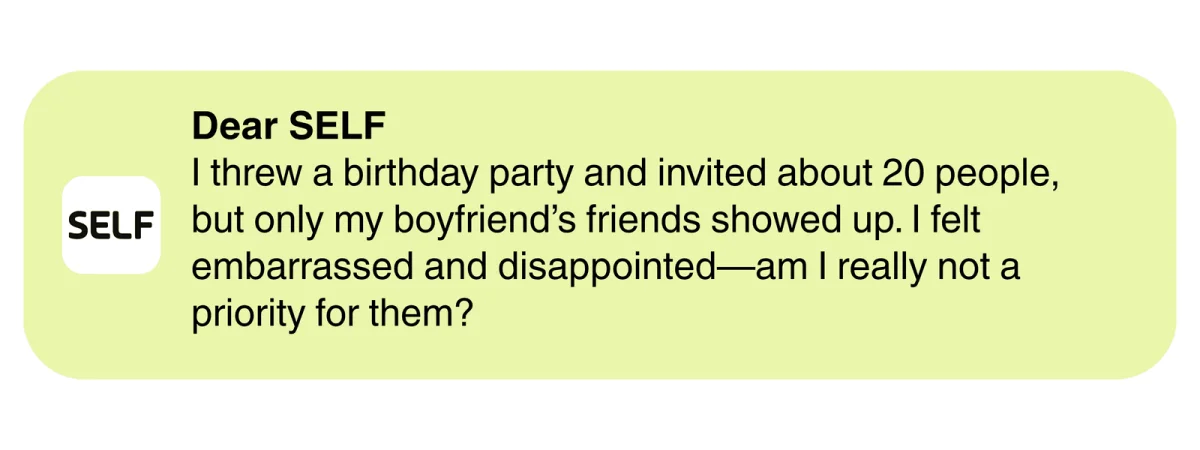
Being part of a friend group can be an ambiguous experience. You might find yourself receiving invites that seem lackluster—like, “Oh, you can come if you want”—which often feels less like a welcome and more like an afterthought. You show up for major events—birthdays, trips, and gatherings designed to accommodate large numbers—but you're often absent from those spontaneous outings where genuine connections are made and lasting memories are born. When this pattern emerges consistently, you might be classified as a backup or “fringe friend.”
While we can't all be the top choice for everyone, the emotional intricacies of being a fringe friend can be challenging to navigate. There generally isn’t a clear-cut villain or a dramatic fallout that you can attribute your feelings to, making it difficult to ask yourself the hard questions: Am I not someone’s first pick? Do my friends genuinely consider me a friend?
To dissect this feeling, we consulted with Dr. Christina Ferrari, a psychologist based in Miami, who outlines three primary signs that may indicate you’re in the position of a second-tier friend.
1. You Receive Last-Minute Invitations
If you’re consistently being invited to events at the last moment, this may be a significant red flag. It is one thing to occasionally get a last-minute call, but if this becomes the norm, it might indicate your status as a fringe friend. Think about it: are you only getting invited after someone else has canceled? While everyone has busy lifestyles that lead to occasional forgetfulness— Dr. Ferrari notes that some people just have a proclivity for disorganization—if you notice this pattern frequently occurring with only your friend group, it might be a sign that you’re not prioritized.
2. You’re Excluded from Key Communications
Another telltale sign is if you find yourself absent from the main conversations where planning occurs. You may notice others arranging meet-ups and inside jokes that you weren’t part of. “It’s natural for people to have varied friendships and unique interactions,” Dr. Ferrari points out. “However, being regularly excluded from foundational chats can create feelings of isolation.” Think about instances where stories get referenced that you don’t recall—these hints point to a gap in integration that could contribute to your feelings of being an outsider.
3. You’re the One Who Initiates Contact
In most friendships, there should be a balance in reaching out. If it feels like you're always the one making plans, this might justify concerns about your place in the group. “Life can be busy, and a temporary imbalance happens to everyone,” explains Dr. Ferrari. However, if your absence is seldom acknowledged or remarked upon, it might leave you feeling insignificant, almost as if you’re not missed. That lack of recognition can be disheartening and will likely impact your self-esteem.
Strategies to Shift From Fringe Friend to Valued Companion
Finding yourself in this situation doesn’t mean there’s an easy solution. You could bring this perception to the group’s attention, but that risks coming off as insecure. On the other hand, staying silent often leads to overthinking every interaction or lack thereof, from delayed invites to missed opportunities for connection. If you decide to address it, Dr. Ferrari suggests a simple yet warm message: “I really enjoy our time together. I’d love to be included in planning next time!” This approach communicates your feelings without confrontation.
The critical takeaway isn't only about figuring out how to become a core member of the group but shifting the focus to whether you're investing your energy where you truly feel valued. Remember, feeling sidelined in one group doesn’t reflect your worth; it opens a doorway to seek connections elsewhere.
Consider branching out. Start regular lunch dates with a colleague you admire or reconnect with old friends you haven’t seen for a while. Challenge yourself to attend social gatherings outside your usual circle, be it a weekend getaway with acquaintances or an activities group that piques your interest. By engaging with new people, you can identify spaces where your presence is welcome, thus relieving that feeling of disposability.
Ultimately, forming meaningful connections should be an enriching experience that uplifts you rather than diminishing your self-worth.
Related:
- 5 Signs You’re in a One-Sided Friendship
- Meet the ‘Finger Princess’: The Annoying Friend Everyone Has
- My Friend Cut Me Off. How Can I Get Them to Forgive Me?
Subscribe to receive more friendship insights from SELF, delivered straight to your inbox—free!


