Side A · Liner notes
Empowering Journeys: 13 Black Women Share Their Breast Cancer Stories
Mental Health · Words by Ayren Jackson-Cannady, Jessica Migala · Released
Thirteen Black women share their inspiring journeys through breast cancer, highlighting personal strength, community support, and resilience amid daunting statistics.
Breast cancer poses unique challenges for Black women, evidenced by sobering statistics: they tend to be diagnosed at a younger age than their white counterparts and face significantly worse outcomes, including a 38% higher likelihood of death from the disease. Furthermore, a disproportionate number of Black women—about one in five—are diagnosed with triple-negative breast cancer (TNBC), a particularly hard-to-treat form of the disease. Yet beyond these statistics lies a rich tapestry of personal stories, resilience, and triumph that defines the experiences of Black women with breast cancer.
The following narratives come from thirteen Black women who transcended their circumstances, refusing to be reduced to mere data points. They embody strength, joy, purpose, and community while redefining what survival means in their lives. Each story serves as a testament to the complexity of their experiences, filled with both hardship and empowerment.
1. “I put my boxing gloves on and fought with everything I had.”
Monique Bass, a 53-year-old mother of twin sons and grandmother, exemplifies a proactive approach to health. After finding a lump during a self-exam at 47, Bass faced a grueling path through three years of benign biopsies that left her feeling unheard. Trusting her instincts, she demanded a lumpectomy. The diagnosis was a stage 1 invasive ductal carcinoma, which necessitated immediate chemotherapy.
Receiving this shocking news during the isolation of the COVID-19 pandemic, alongside a divorce, was overwhelming. Yet through her tumultuous journey, her faith remained a cornerstone. Today, Bass channels her experience into her nonprofit organization, What’s Behind the Bra?, providing comfort care packages to other breast cancer patients and sharing support through a weekly podcast.
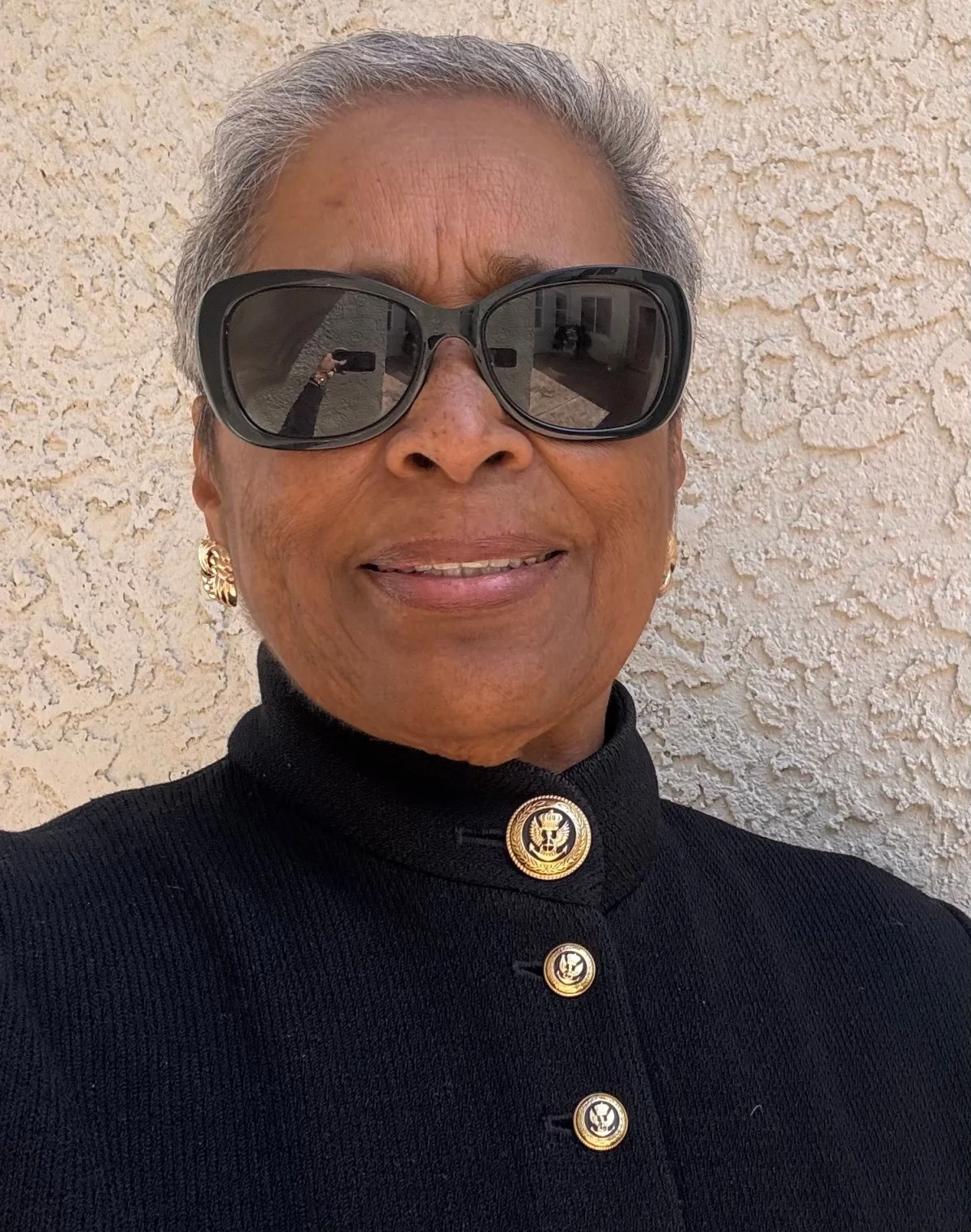
2. “I surrounded myself with love and laughter.”
Jaqueline Beale, now 64, comes from a family marked by cancer. When she discovered a lump at 40, she initially faced resistance from medical professionals. After insisting on a biopsy, she was diagnosed with stage 1 breast cancer. Throughout her treatment, Beale emphasizes the role of humor and support, stating, “I made sure that I surrounded myself with laughter and love.” Her family’s ability to infuse joy into her challenging times became a vital source of strength.
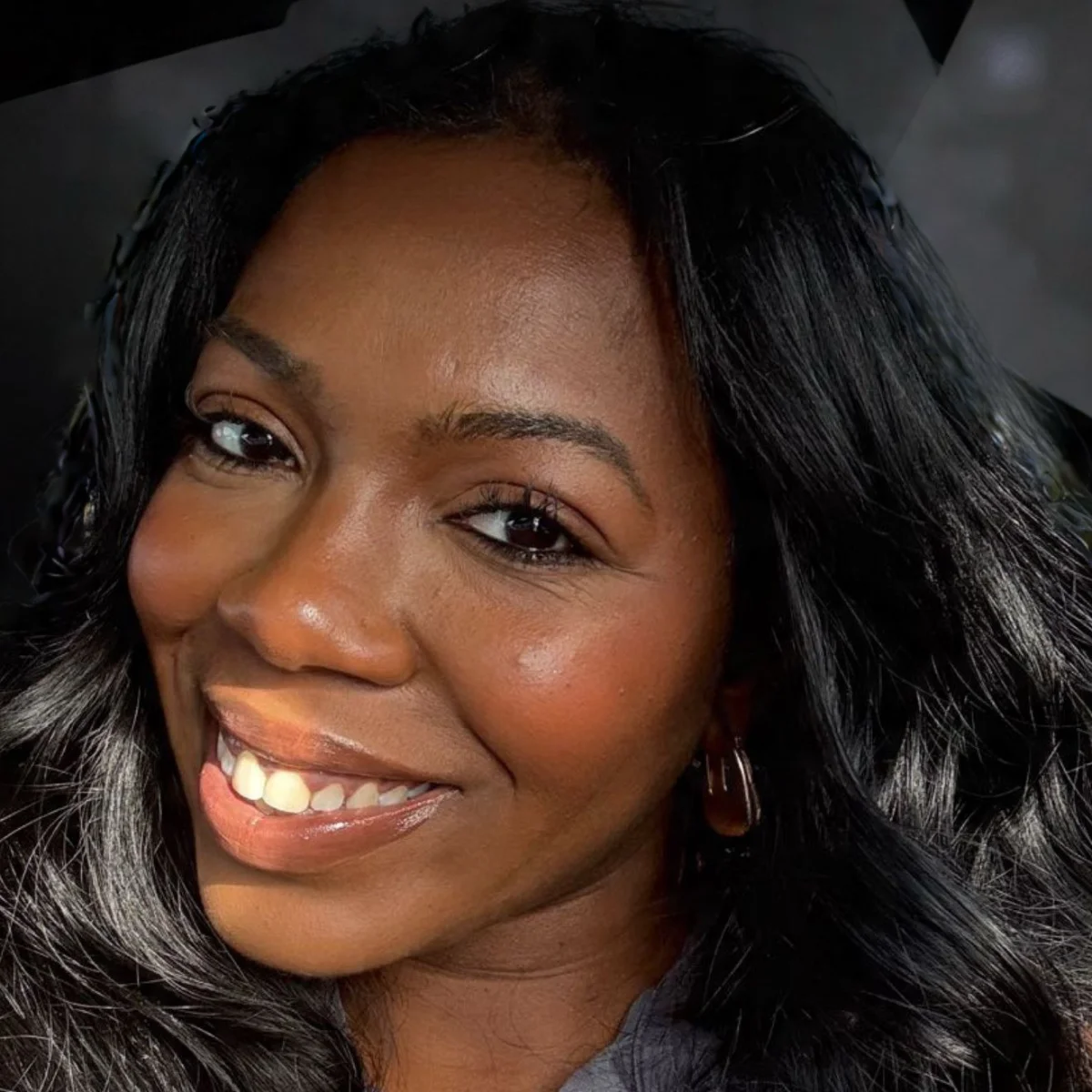
3. “What once felt like the end became the beginning of something greater.”
At 51, Annita White was late for her mammogram due to the pressures of life and work. The diagnosis of a hard mass marked the onset of severe challenges, including the emotional toll of losing her breasts during treatment. Yet, her journey ended not in despair but in triumph. Today, as Dr. Nita, she is an active member of the African American Breast Cancer Alliance, sharing her story and inspiring others through advocacy.

4. “The clouds are moving. The sun has decided to show itself.”
Marylande Regis, a 38-year-old nurse and mother, faced her diagnosis shortly after stopping breastfeeding. Initially dismissed as a clogged duct, her deep instincts prompted further investigation, revealing aggressive stage 2B breast cancer. Regis’s journey required numerous treatments, including chemotherapy, surgery, and radiation. Her determination to advocate for her health while managing the challenges of motherhood showcases resilience and hope.
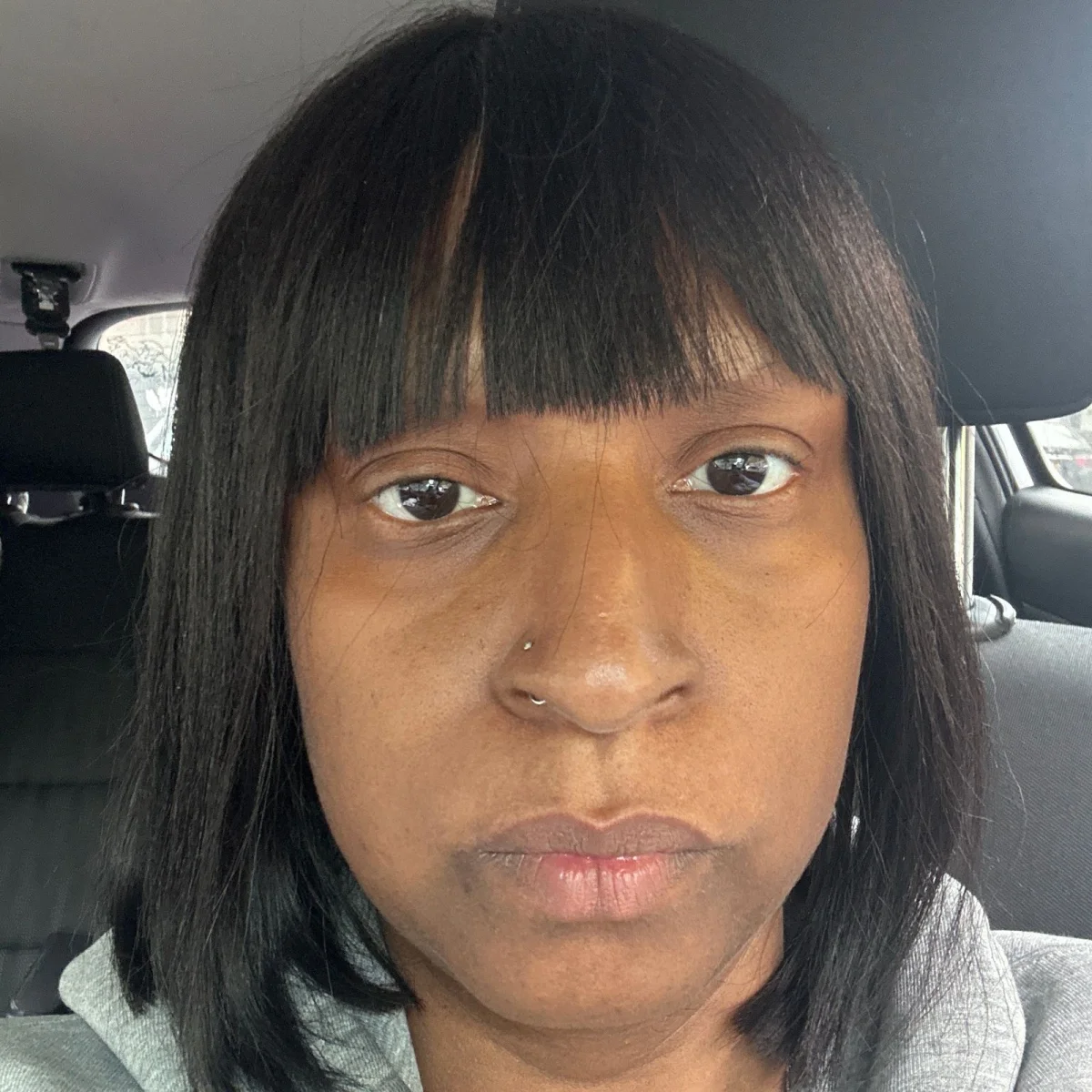
5. “Sickness had never been my world.”
For 75-year-old Judy Fambrough-Billingsley, a lifetime devoted to health made her breast cancer diagnosis a shocking pivot. Ignoring first signs, she ultimately faced a wake-up call about her mortality. Drawing strength from her background during the Civil Rights Era, she embodies a spirit of perseverance that helps her navigate this new terrain with the determination of a community organizer.
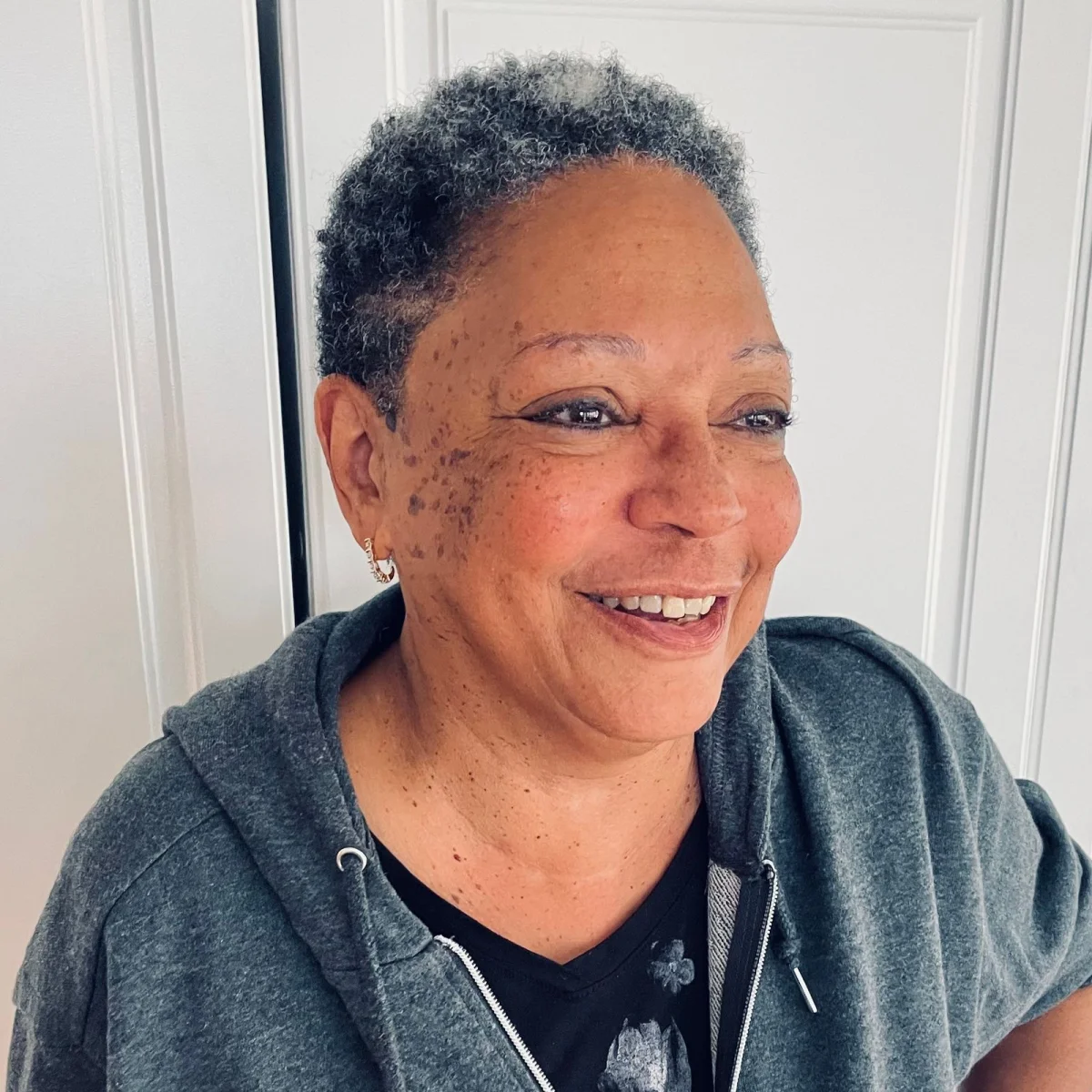
6. “I was so used to always being the strong one.”
Taylor Johnson found a lump at 29 and, despite being told she was too young for a mammogram, pushed for further testing that confirmed her diagnosis of stage 2 triple-negative breast cancer. As someone who was accustomed to being the pillar of strength for others, she had to confront her vulnerabilities. Throughout her treatment, community support helped her redefine what it means to be strong in difficult times.
7. “I wanted to feel supported through it, not just survive it.”
Jessica Ncube, a clinical social worker, describes her journey from being a caretaker to requiring care herself. After an early diagnosis prompted a lumpectomy and mastectomy, she needed to shift her understanding of strength. Emphasizing the balance between resilience and vulnerability, Ncube reflects on how the support of her community and her own evolving understanding of strength aided her healing process.
8. “Cancer doesn’t define you. You define you.”
Ameiko Newman’s diagnosis was unexpected and life-altering. Rushed to the hospital for unanticipated abdominal pain, she found herself confronting breast cancer head-on. Rather than succumbing to despair, she sees her cancer journey as an opportunity for growth, not only for herself but also for others. Newman has utilized her experience to launch a business focusing on supportive products for women undergoing treatment, instilling purpose in her fight.
9. “I shifted to being overly optimistic.”
Charlotte Connor experienced a tumultuous journey through breast cancer diagnosis after initially receiving vague responses to her concerns. By nurturing optimism even amid difficulties, she realized the importance of her mindset. Connor highlights how maintaining a positive attitude not only benefits her but also helps shape her daughter’s understanding of resilience during life’s challenges.
10. “We have been through challenges our whole lives. This is just one more.”
Donna Culmer’s battle began with a clean mammogram, soon followed by an unexpected diagnosis of stage 1 cancer. Through her community’s unwavering support, she overcame challenges and has since gained valuable perspective on navigating life’s adversities. Culmer’s practical advice emphasizes the importance of inquiry and support, showcasing the necessity of communal care.
11. “Therapy fortified me to get through cancer.”
Patricia Fox endured early-stage cancer at just 26, feeling overwhelmed yet empowered after being told she could be a survivor. As she navigated the intricate emotional landscape of her diagnosis, therapy emerged as an essential tool for coping. By sharing her journey, Fox aims to dismantle barriers in the Black community surrounding mental health, highlighting the need for emotional support throughout treatment.
12. “I turned to prayer to remain calm.”
After her sister’s experience with breast cancer, Annette Colden promised to keep up with her screenings. Ultimately diagnosed with stage 0 cancer, her journey was marked by a calm faith amid uncertainty. Colden’s commitment to prayer not only guided her but also inspired her to uplift others through support groups, demonstrating her wish to ensure that no one faces similar struggles alone.
13. “I quit my life and started a new one as an advocate.”
Ricki Fairley’s life took a dramatic turn when diagnosed with stage 3A TNBC. The diagnosis propelled her to reevaluate her life’s aspirations and relationships, leading to significant changes in her personal and professional life. Fairley’s relentless spirit now fuels her work through the Black Breast Cancer Alliance, advocating for better care and resources for Black women facing similar battles.
These stories collectively represent a powerful tapestry of survival, resilience, and community among Black women dealing with breast cancer. They remind us that beyond the statistics, there exists a rich landscape of lived experiences filled with hope, shared purpose, and the unwavering spirit to thrive.


