Side A · Liner notes
Exploring the Canyon Aeroad CFR: Performance Insights from a Pro-Level Bike
Nutrition · Words by James Davis · Released
Testing the Canyon Aeroad CFR reveals exceptional speed and handling, but some features may be challenging for everyday cyclists.
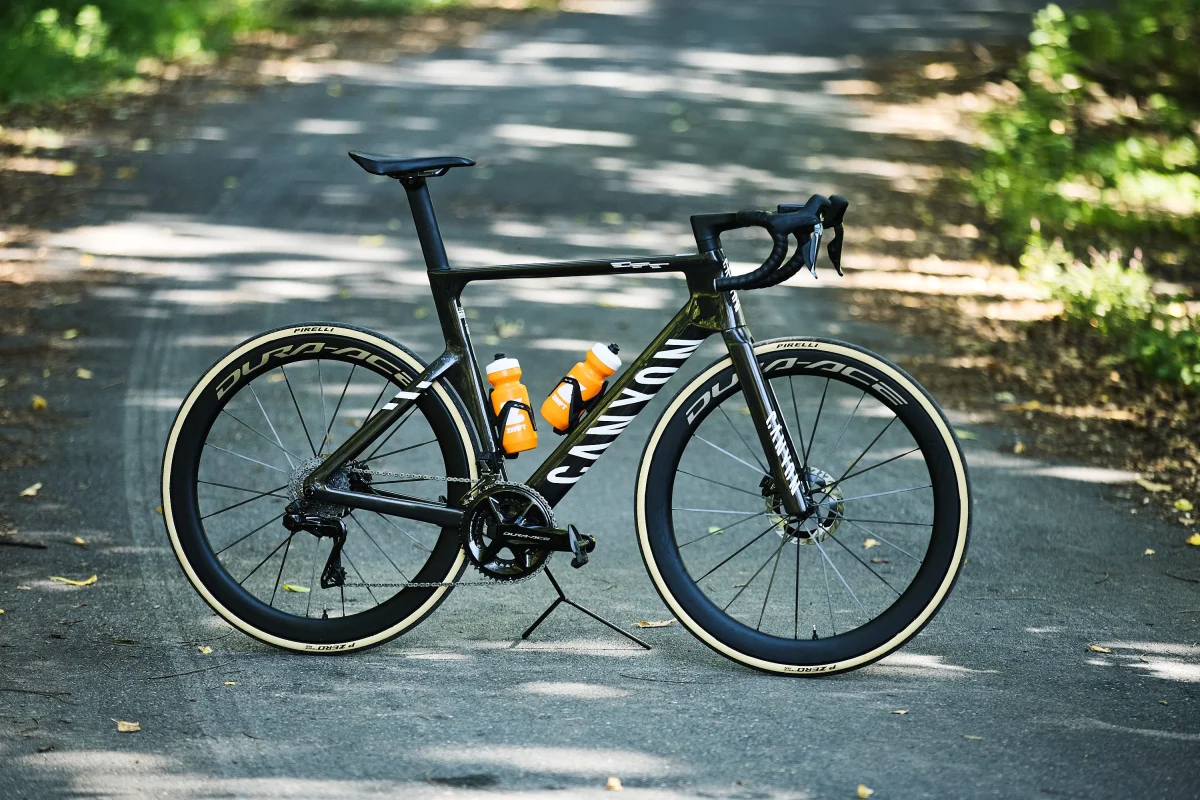
For many cycling enthusiasts, the allure of a WorldTour bike is undeniable. These race-ready machines, featuring high-end components and lightweight frames, are designed for peak performance on competitive roads. While the thought of riding like the professionals may entice us, experience shows there are significant differences between owning a pro-level bike and riding one effectively.
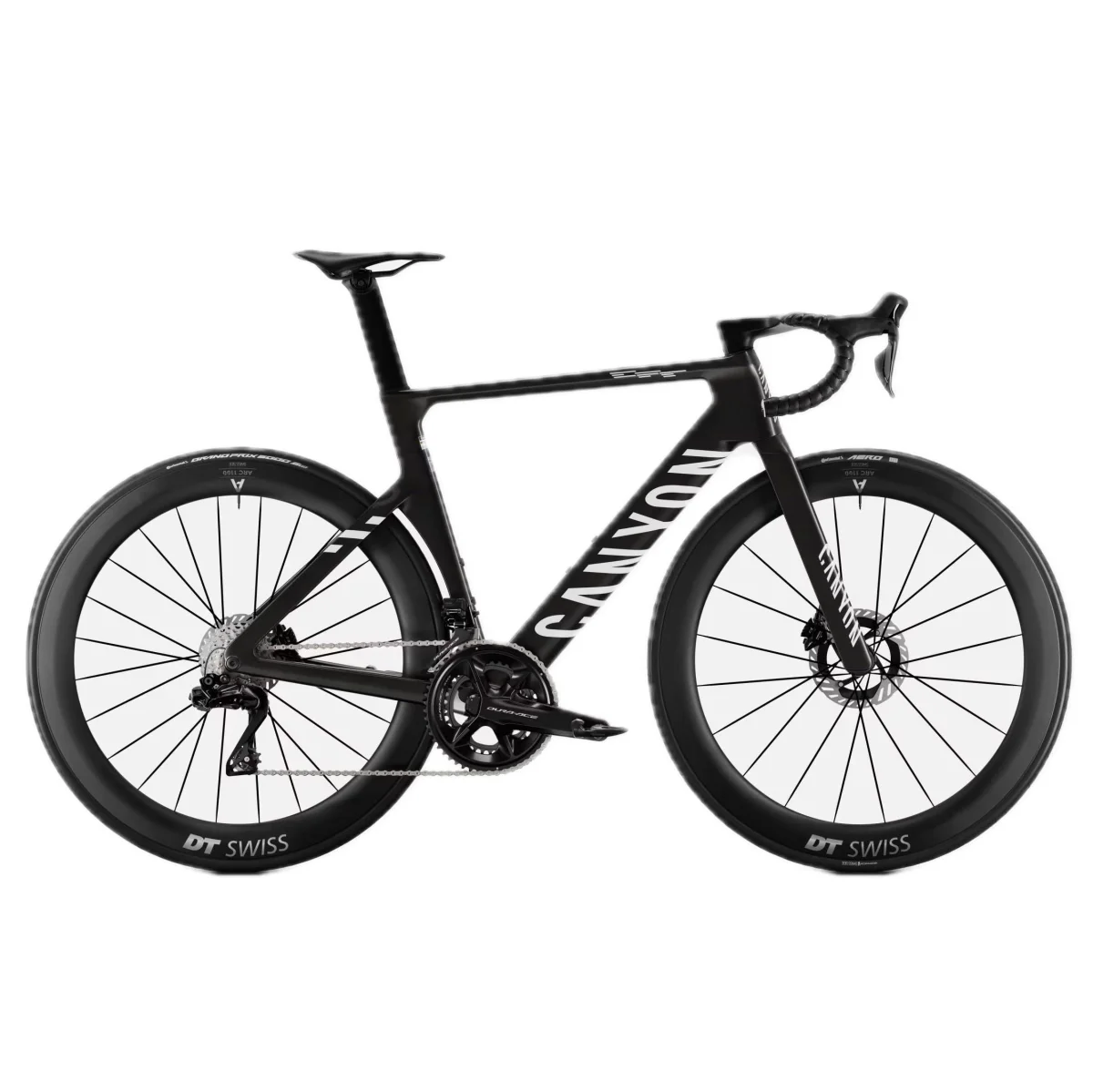
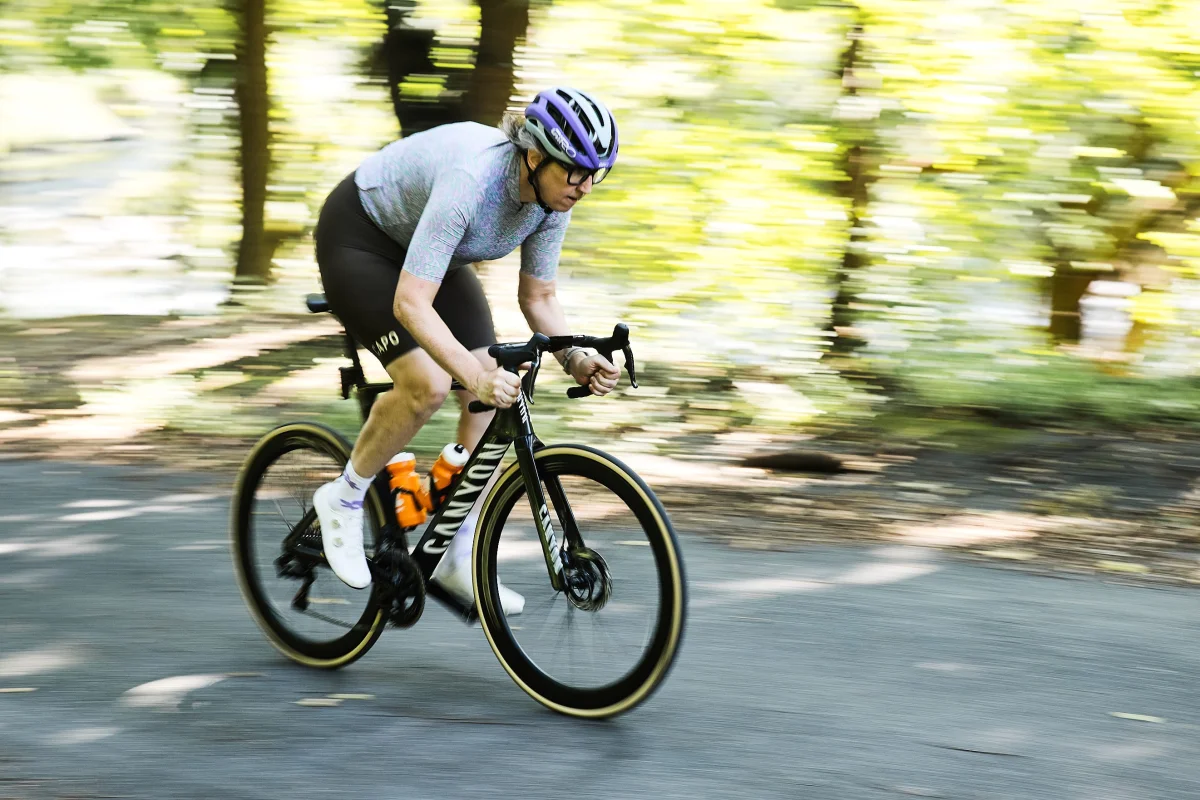
Having tested various elite bikes over recent years, I've experienced the remarkable speed and responsiveness that many high-end racing bicycles offer. One standout in this category is the Canyon Aeroad CFR, a bike that exemplifies this blend of speed and stiffness.
Overview of the Canyon Aeroad CFR Dura-Ace Di2
The Aeroad CFR is favored by professional riders, such as Mathieu van der Poel. This model, priced at around $10,499, includes a full Shimano Dura-Ace Di2 group set, designed to optimize performance for racing cyclists. While it shares many characteristics with the bikes used by the Alpecin-Premier Tech men's team and Fenix-Premier Tech women's team, the differences become apparent when comparing the specifications.
Comparing Stock and Team Models
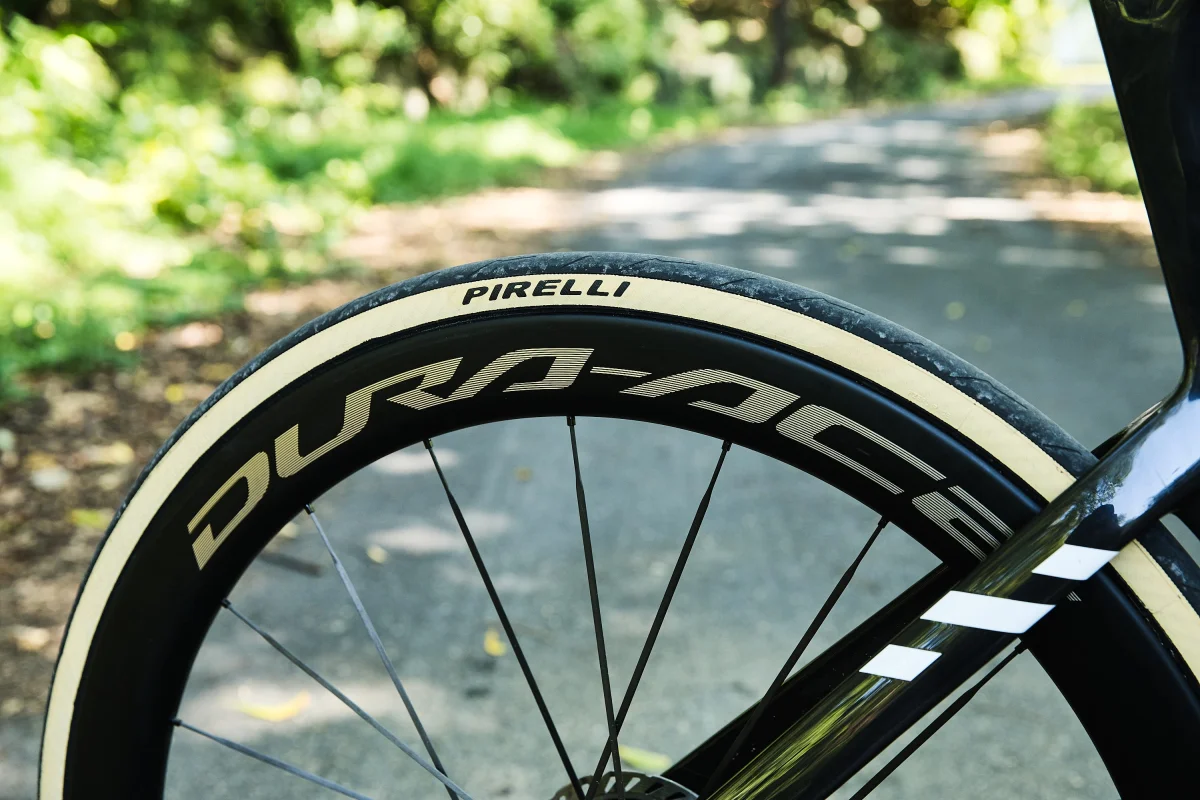
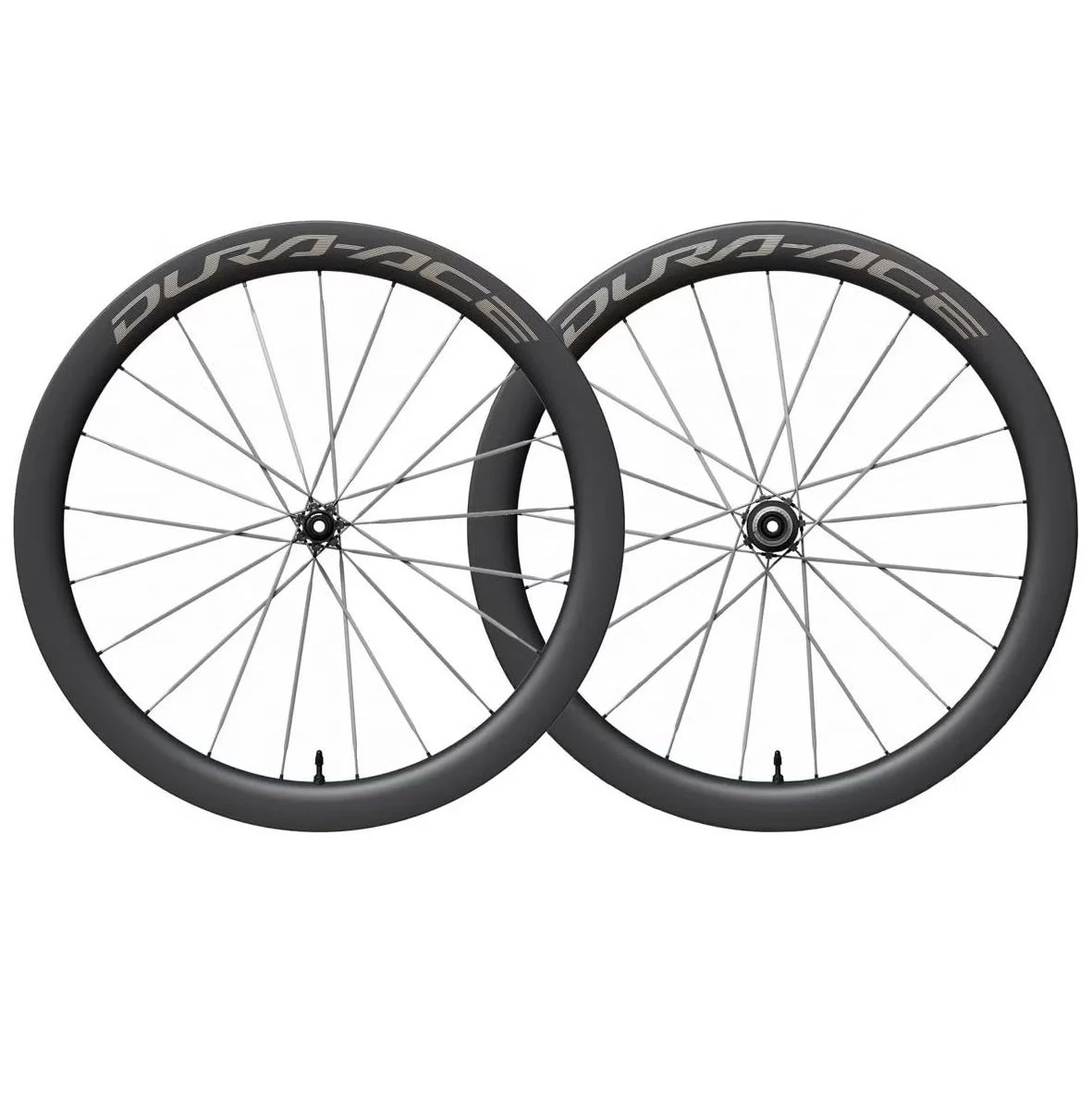
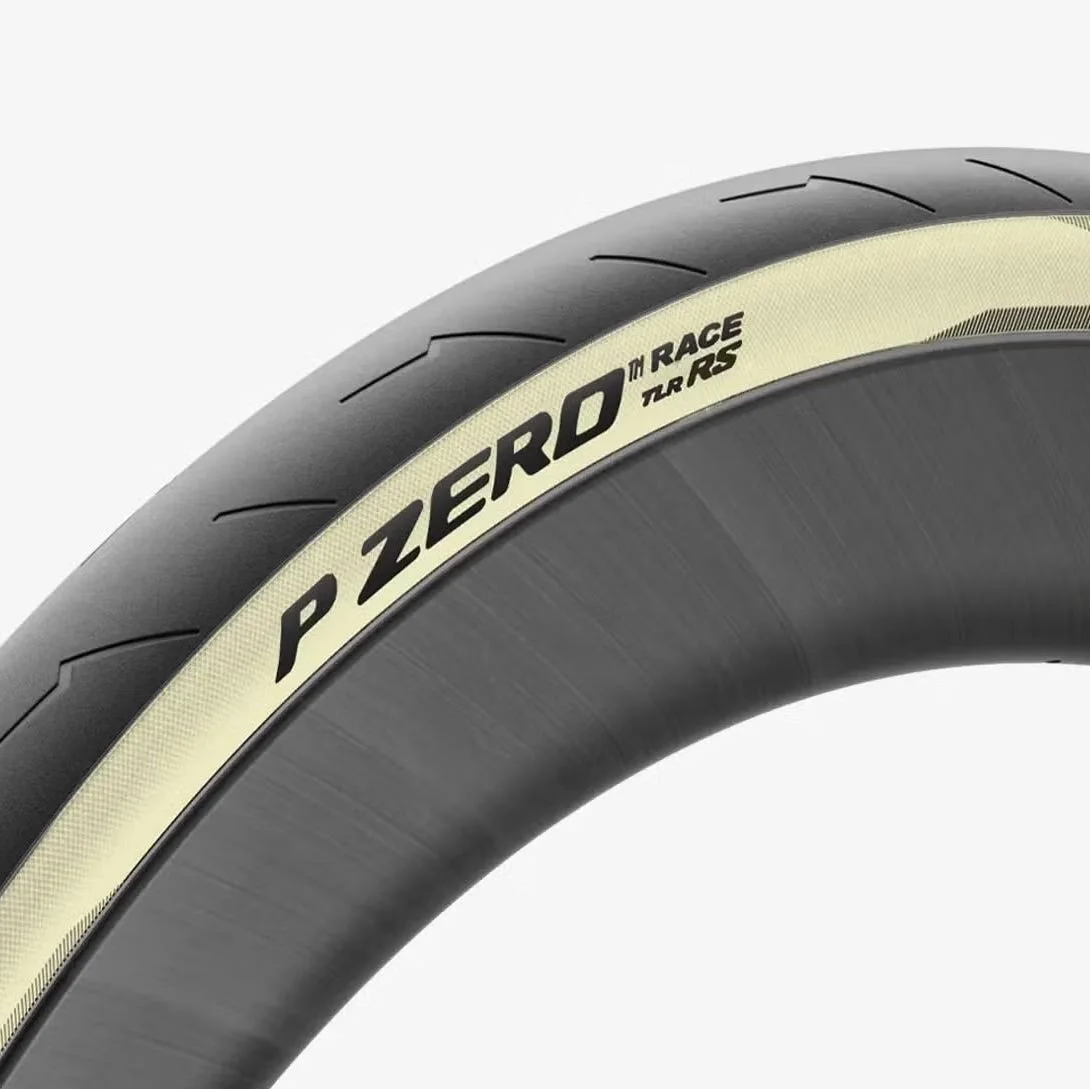
The stock version of the Aeroad CFR closely resembles the pro models, featuring similar components but diverging predominantly in wheel and tire choices. While the stock bike comes equipped with 55mm deep DT Swiss ARC 1100 carbon wheels and a combination of Continental tires, the professional teams utilize different wheels and tires tailored for competition.

In recent updates, Shimano's new Dura-Ace R9370 C50 wheelset has been introduced. These wheels are reported to be lighter and more aerodynamic than their predecessors, boasting improvements in speed and efficiency due to a wider rim profile and an innovative bearing design that enhances smoothness during rides.
Adjusting for Personal Performance
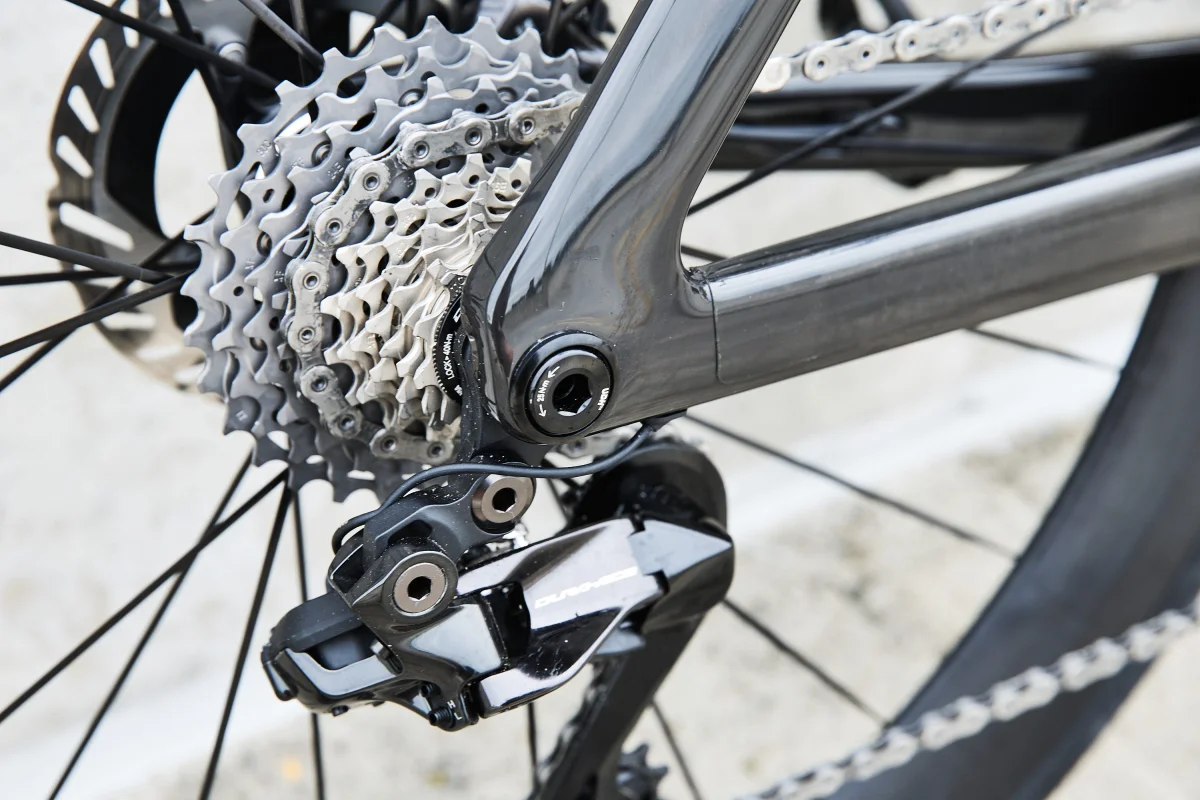
Upon receiving the Aeroad CFR, I made the decision to customize the gearing for improved practical performance on climbs, diverging from the stock setup which might be more suited for competitive riders. The standard gearing with a 52/36T chainring and an 11-30T cassette was too aggressive for my needs. Instead, I chose a 50/34T chainring with an 11-34T cassette, which provided a better range for my cycling abilities. This adaptation highlighted the challenge of using a bike designed for elite athletes as an everyday rider.
Performance on the Road
The Aeroad CFR excels in terms of acceleration and responsiveness, making it happen in sprinting situations and quick attacks during rides. This bike’s ability to maintain speed with minimal effort makes it an enviable option for racers. During testing, I was impressed with how it handled rapid variations in speed, a vital function for competitive riders looking to conserve energy throughout long stages.
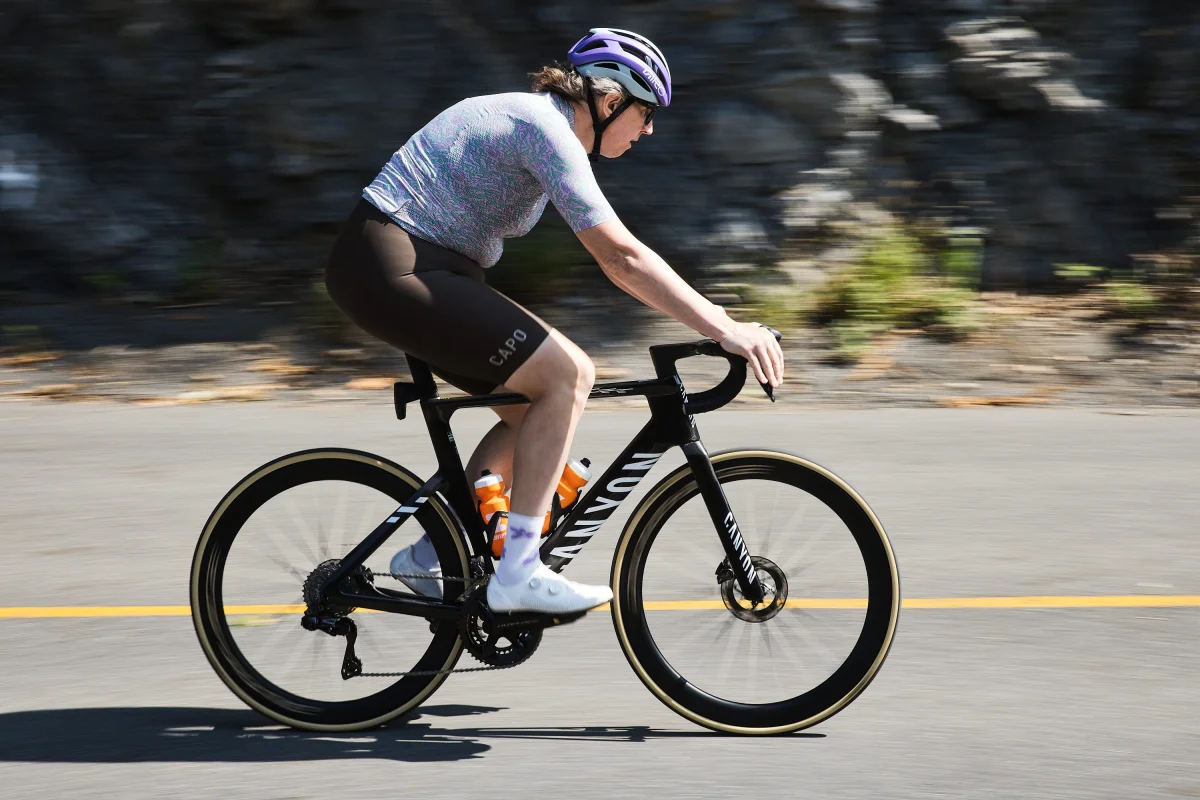
Further, the Aeroad’s lightweight frame contributes to responsiveness not typically found in less optimized models. Though I was unable to test the Aeroad extensively in mountainous terrain, my rides in Eastern Pennsylvania confirmed it climbs better than expected, comparable to bikes specifically designed for climbing.
The Climbing Experience
While the Aeroad CFR is not primarily designed for climbing, it proves itself adequate for this task, especially after adjusting to a more suitable gear setup. Riders who typically struggle with steeper climbs may find stock gearing challenging. However, with my preferred configuration, I found the bike to be almost as nimble as dedicated climbers, such as the Cervélo R5.

Components and Comfort
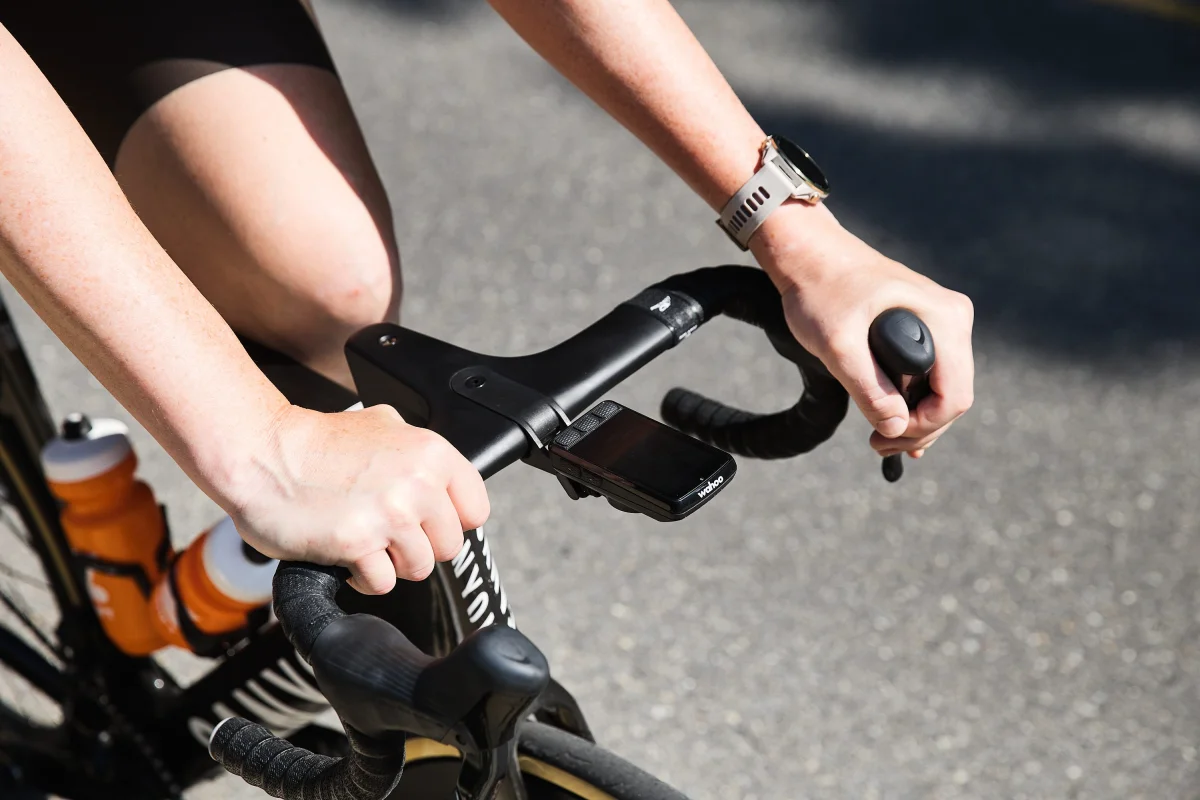
The ride quality also depends heavily on components, with choices in wheels, tires, and handlebars affecting overall performance. I noted significant improvements with the Dura-Ace wheelset during testing, feeling more confident in braking and shifting compared to other brands like SRAM. Although Dura-Ace remains a popular choice among elite cyclists, it seems to have slipped slightly in relevance compared to SRAM’s recent advancements.
Aesthetics and Final Thoughts
Beyond performance metrics, aesthetics also play a role in a cyclist's attachment to their bike. The Aeroad CFR's color scheme may not stand out as vividly as the flashy designs seen in competitive pelotons, but it maintains a professional appearance. This visual aspect, while subjective, could influence a rider's camaraderie and pride while participating in group rides.
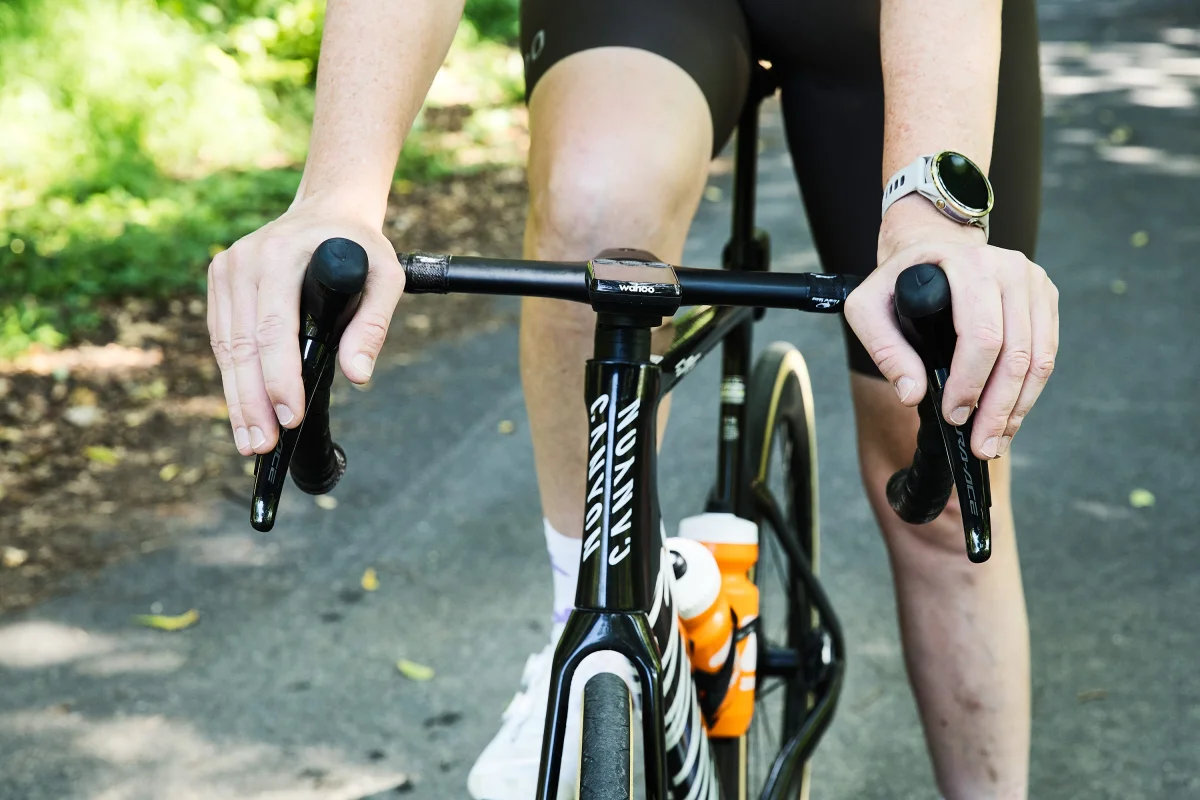
In conclusion, the Canyon Aeroad CFR showcases exemplary performance metrics that could elevate a cyclist's riding experience, provided they understand how to adapt the bike to fit their capabilities. While it stands as an impressive option for serious riders, those less involved in competitive cycling may find certain elements, like the gearing, to be a limiting factor. With the right adjustments, the Aeroad CFR could be a worthy companion for both race-day scenarios and everyday rides.