Side A · Liner notes
Maximizing Indoor Workouts: The Importance of Effective Fans for Cooling
Nutrition · Words by Joseph Jones · Released
A powerful fan is essential for comfortable indoor cycling sessions, helping to maintain performance and reduce overheating during workouts.
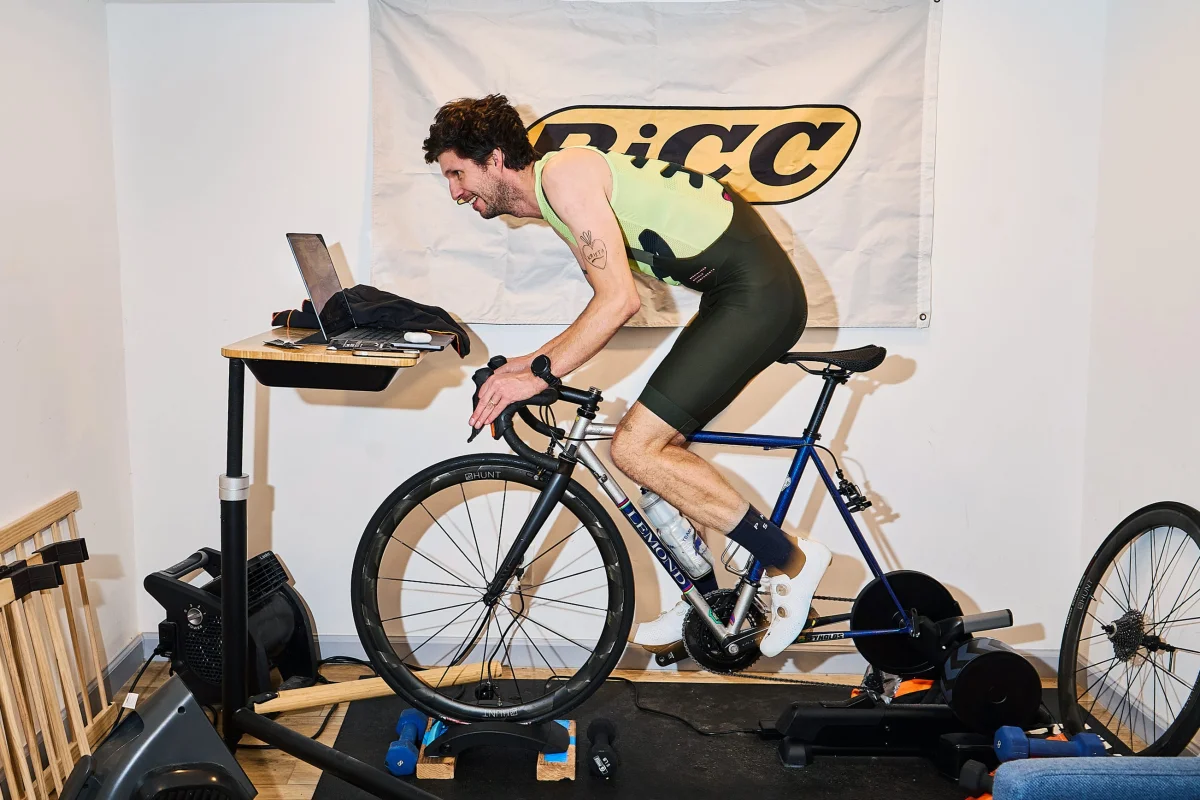
When it comes to indoor cycling, many riders might overlook the importance of effective airflow. While most setups include a fan, not all fans are created equal. A standard house fan often lacks the power needed to keep the body cool during vigorous exercise, potentially undermining performance during interval training. This isn't just a matter of comfort; airflow plays a significant role in optimizing performance and sustaining energy levels during demanding sessions.
The Role of Airflow in Indoor Training
Outdoor cycling inherently provides airflow, which enhances cooling as you ride. Your body relies on several mechanisms to regulate temperature, and one of the key methods is sweating. For sweat to evaporate and remove heat, adequate airflow is necessary. If you're indoors and the airflow isn't sufficient, you're likely to sweat profusely without achieving effective cooling, leading to discomfort and increased physiological strain. This is particularly true in back-to-back training sessions or long rides where sustained effort is critical.
This physiological stress manifests as an elevated heart rate, which can occur even if your power output remains stable. As a result, the perceived exertion of your workout increases, making it feel much harder than intended. It can be frustrating when you’ve meticulously crafted a training regimen only to find that environmental factors are hindering your performance. If your training program wasn't specifically designed for heat acclimation, the absence of proper cooling can create unnecessary challenges in maintaining your workout targets. Understanding this connection is vital, as it often impacts your psychology and motivation to keep pushing yourself during tough sessions.
Choosing the Right Fan
A powerful fan won't transform threshold intervals into a breeze, but it is crucial for completing tough indoor sessions. Some fans are specifically marketed for cycling and indoor training; while these can be effective, they often carry a steep price tag. Price isn't the only factor that matters. You’ll want a fan that produces strong airflow without overwhelming noise, which can be distracting during a ride. Instead, consider utility blowers or air movers, as these often offer better value without sacrificing performance.
Having multiple fans in your training space can significantly enhance air circulation. In my setup, I use three fans: two positioned in front of me and one behind. The dual-front fans direct air across my chest, arms, legs, and face, while the rear fan circulates air over my back, aiding in effective cooling. This configuration might seem excessive, but the difference I’ve experienced in handling intense workouts has been notable. Fans are often overlooked, but experimenting with placement can yield tangible benefits; sometimes, just adjusting their position can drastically improve your workout experience.
Convenience Features and Dehumidification
For those who prioritize convenience, a fan with remote control capabilities can streamline your workout experience. The Vornado FLY MAX fan is one option that includes a remote control designed for cyclists, allowing you to adjust airflow without dismounting your bike. This level of convenience shouldn't be underestimated—if you're in the middle of a hard session, getting off the bike to change settings can disrupt your rhythm. Alternatively, the Lasko U15617 is a high-velocity blower that provides three speeds and a pivoting head for customizable airflow direction.
In environments like a basement or garage, where natural ventilation might be limited, using a dehumidifier can significantly improve your workout conditions. Humidity levels can rise drastically during a typical 60 to 90-minute cycling session, often increasing by about 25%. Managing humidity isn't just about comfort; high moisture levels can lead to excessive sweat, diminishing your ability to cool off effectively. Keeping the humidity in check not only enhances comfort but also supports better performance, as cooler skin temperatures improve your overall efficiency and endurance during rides.
Investing in Indoor Comfort
Indoor cycling typically garners attention for high-tech gadgets like trainers and screens, but investing in airflow solutions should also be a priority. If your current setup allows for workout engagement, consider allocating resources towards optimizing airflow. Proper ventilation can empower you to reach your full potential in indoor training, ensuring you receive maximum benefits without the drawbacks of overheating. This investment isn’t merely about putting together an elaborate fan system; it lays the groundwork for achieving fitness goals that can otherwise be hindered by environmental conditions.
The Broader Implications of Airflow in Indoor Cycling
As indoor cycling continues to gain popularity, understanding airflow's role can't be overlooked. It affects a broader range of factors, including workout effectiveness, safety, and even long-term health. If you're working in this space, you'll realize how crucial it is to educate users about optimizing their environments. Suboptimal airflow can not only hinder performance but also may lead to long-term issues like heat exhaustion, underscoring the need for awareness. And this is the part most people overlook: the direct link between comfort and performance cannot be understated. Proper airflow solutions can transform the indoor training experience, turning it from a mere chore into a high-efficiency workout.
A good fan setup isn’t just a luxury, it's a necessity for anyone serious about indoor training. By ensuring adequate airflow in your training environment, you create an optimal atmosphere that allows you to push hard and stay comfortable, transforming indoor workouts into productive sessions. Ultimately, this investment in your indoor cycling regimen can lead to substantial improvements in your cycling performance.

As a former New York City bike messenger and competitive cyclist, Dan Chabanov brings a wealth of experience to his role as a Test Editor. He has participated in professional cyclocross races and holds a Master’s National Championship title. In addition to his work at Bicycling, Dan has organized races and coached aspiring athletes.


