Side A · Liner notes
Understanding the Differences Between SRAM and Shimano: Insights from Cyclists
Nutrition · Words by Thomas Garcia · Released
Cyclists weigh in on the debate between SRAM and Shimano, highlighting factors like compatibility, service accessibility, and personal preferences.
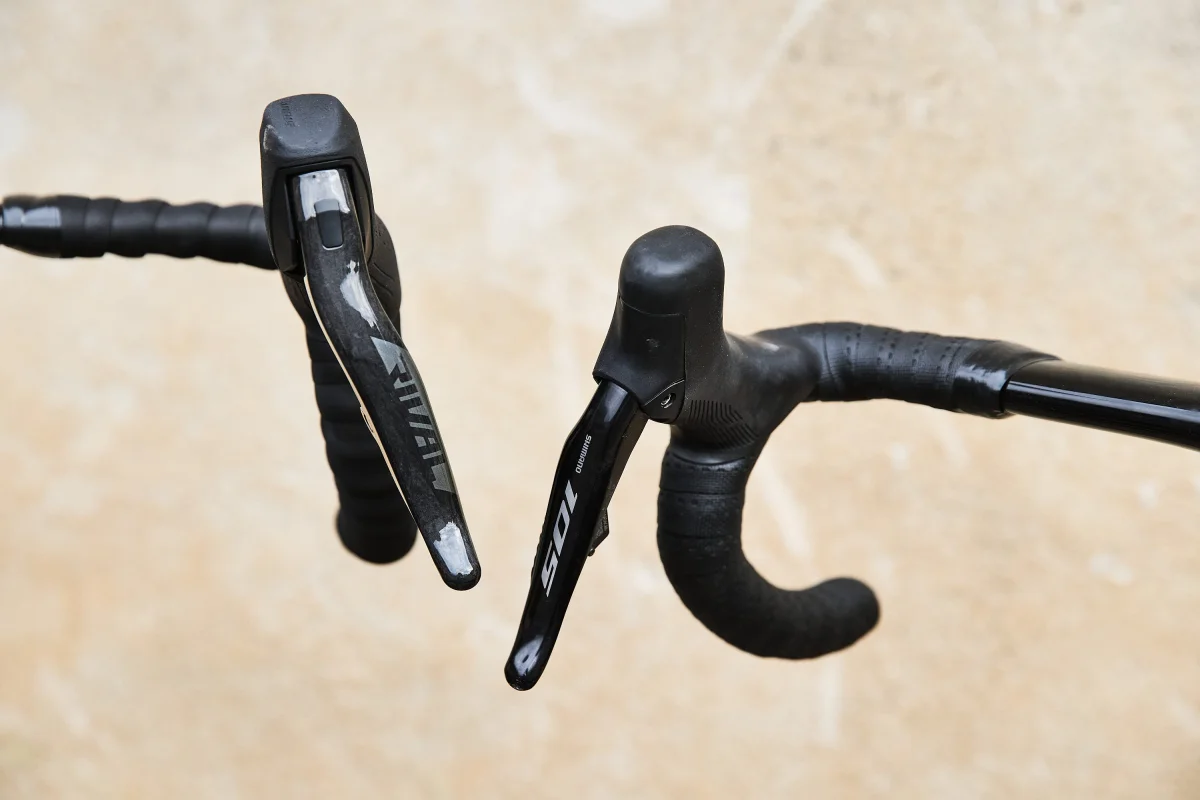
Switching gear systems can be an important decision for cyclists, and the ongoing debate between SRAM and Shimano often elicits strong opinions. After sharing my own experience of transitioning from Shimano Dura-Ace to SRAM RED AXS, I opened the floor for discussion among several experienced riders. This article highlights the key considerations they brought up that I hadn’t fully appreciated in my original analysis.

Considering Compatibility and Installation
A key feature of SRAM's offering is the fully wireless system that eliminates the need for wires during transport, which I appreciated. However, one participant, Alex Landt from San Diego, noted that for many, having a single wire for a Di2 system isn’t a significant issue. He emphasized that those investing in fully integrated bikes, typically built by professionals, are unlikely to handle the wiring themselves. For him, the convenience of only needing to run one wire was negligible compared to the overall bike assembly experience.
Moreover, Alex pointed out the importance of backward compatibility. While neither Shimano nor SRAM are as mix-and-match as older 11-speed systems, cyclists’ existing setups, including older bikes, spare wheels, and parts, merit consideration. A rider with a well-functioning bike is unlikely to throw everything out just because a newer system is available. This realization shifted my perspective, as it became clear that many riders aren’t starting with a blank slate, and the decision to switch doesn't come only from the latest technology.
Availability of Parts Matters
For Earl Peterson, who resides in Alaska, the regular availability of replacement parts significantly influences his preference. Living in a remote area with limited bike shops—and those shops lacking adequate SRAM and Shimano stock—gives Earl a tangible connection to serviceability. He expressed concern about how to maintain and repair his bike when faced with an inventory that doesn’t cater to his SRAM system. This points to a critical factor often overlooked: a rider's geographic location can heavily determine brand loyalty and ease of maintenance.

In contrast, I live in Philadelphia—a location brimming with bike shops stocked with both SRAM and Shimano parts. This disparity illustrated for me that while I might prioritize the latest groupset technology, others could face real challenges based on what’s available locally. For cyclists in similar situations to Earl’s, the decision process understandably prioritizes convenience and accessibility over personal brand preference.
Finding Time for Maintenance
When considering my discussions, Nick Malaspina’s experience resonated with many time-strapped cyclists. He explained how, as a father with limited time on weekends, the modularity of SRAM's systems allowed him to work on his bike bit by bit, fitting the project into his busy life. He could install parts when he had the chance, affecting his decision to go with SRAM because he didn't require a full-day overhaul. This modularity enables more frequent adjustments and gradual upgrades, accommodating the unpredictable schedules that many riders face.
Bryan Davis shared similar sentiments, noting his initial hesitation at having to use a smartphone app for setup with his Force eTap. Despite this, he found that it provided a streamlined setup experience, maintaining a functioning bike without constant adjustments post-ride. This illustrates how user-friendly technology can bridge gaps in a cyclist's skill set and willingness to engage in routine maintenance.

No One-Size-Fits-All Answer
While I continue to favor SRAM systems, I recognize that riding styles and local ecosystems play substantial roles in the decision-making process. Cyclists with functioning Shimano setups who enjoy their local cycling shops and established parts availability may have no compelling reason to change. Factors such as existing bike configurations, personal mechanical skills, location, and time-allocation must align to determine what setup works best for each individual.
A comprehensive examination before recommending a group is essential. Conversations should emphasize local service access, existing hardware, and individual riders’ expertise, moving past the brand wars of SRAM versus Shimano into understanding each cyclist’s specific needs.
Where Does Campagnolo Fit In?
Some discussions naturally pivoted towards Campagnolo, a competitor that merits consideration despite its absence in my initial comparisons. Despite testing the Super Record 13 and recognizing its performance, the lack of stock availability for service parts in my area proves problematic. Should riders require replacements, limited local supply puts Campagnolo at a disadvantage against the more common offerings of SRAM and Shimano. Because ease of access to maintenance supplies plays a critical role in keeping any drivetrain functional, it’s challenging to recommend a system that isn’t readily available when needed.
As we dissected the intricacies of SRAM and Shimano, it became clear that many factors contribute to the choice of groupset, and the decision is rarely as simple as it seems. My conversations have expanded my understanding of the nuances involved in choosing between these systems, and it’s important to consider practicality alongside personal preference. Ultimately, knowing the needs of the bike, the availability of parts, and a rider's lifestyle will lead to a better-informed choice that suits their cycling journey.
In conclusion, the conversation around SRAM versus Shimano is not about which is better in isolation, but rather about the context in which each cyclist operates.


