Side A · Liner notes
Sanofi Settles EU Antitrust Investigation Over Rival Vaccine Campaign
Nutrition · Words by Ed Silverman · Released
Sanofi resolves an EU antitrust investigation by pledging to rectify its marketing of Efluelda, avoiding a potential fine while committing to fair communication.
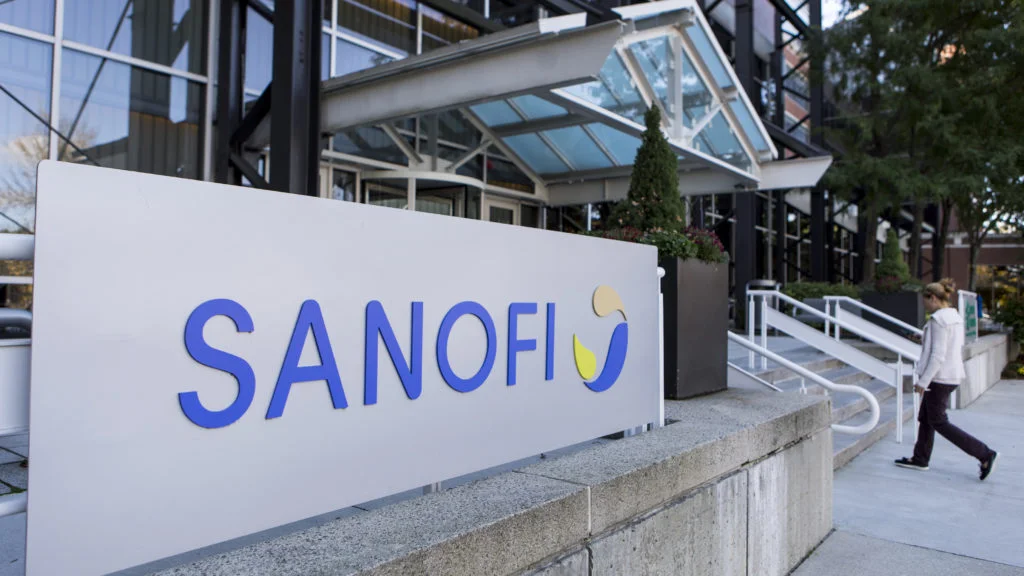
The European Union's antitrust regulators have accepted Sanofi's proposed measures to settle an investigation concerning its marketing practices related to its flu vaccine, Efluelda. This investigation stemmed from accusations that Sanofi engaged in misleading communications that unfairly undermined a competing product, Fluad, produced by CSL Seqirus. The dispute focused on Sanofi's marketing tactics in Germany and France, where the company holds a significant market share and is deemed to have a dominant position.
The Allegations Against Sanofi
The case arose after the European Commission (EC) claimed that Sanofi's campaign made disparaging comparisons between Fluad and Efluelda, positioning its own product as superior while misrepresenting the efficacy of the rival vaccine. The targeting of healthcare professionals in these communications was particularly scrutinized, as such messaging can influence prescribing habits, thereby affecting market competition and patient choice.
In the context of public health, vaccines play a crucial role, especially for vulnerable populations at risk of flu-related complications. The investigation highlighted concerns that Sanofi's actions could have negatively impacted the availability and reputation of Fluad, possibly deterring healthcare providers from recommending it to at-risk patients.
Sanofi's Response and Commitments
To address the EC’s concerns, Sanofi agreed to implement a corrective communication strategy designed to counteract any misleading impressions created during their previous campaign. This strategy includes refraining from any future disparagement of competitor products. Teresa Riberta, the EC's executive vice president responsible for a clean and competitive market, emphasized that the agreement is legally binding, which means Sanofi is required to adhere to its commitments moving forward.
This corrective action is notable not just for Sanofi but also for the broader pharmaceutical industry, where competitive practices and advertising strategies are under significant scrutiny. Regulatory agencies are keen to ensure that companies operate fairly, especially when it comes to products that impact public health.
The Implications of the Settlement
By settling the investigation without facing a financial penalty, Sanofi effectively mitigates potential reputational damage and operational disruption that could arise from a protracted legal battle. This outcome allows the company to maintain its focus on its business operations and current product offerings. However, the need for a corrective campaign indicates that Sanofi will need to be more cautious in its marketing communications to avoid future issues.
The implications of this settlement extend beyond Sanofi. It represents an important reminder for all pharmaceutical companies about the need to ensure truthful promotion of their products. The pharmaceutical industry must balance aggressive marketing strategies with ethical considerations and comply with regulatory standards to promote fair competition.
What This Means for Healthcare Providers and Patients
For healthcare providers, this settlement highlights the importance of relying on credible information when making vaccine recommendations. It reinforces the need for transparency and honesty in communications, ensuring that decisions are based on accurate comparisons of products in order to prioritize patient well-being.
Patients should feel reassured that regulatory bodies are actively monitoring the practices of pharmaceutical companies, as this scrutiny helps to ensure that they receive effective treatment options without undue influence from misleading advertising campaigns. Furthermore, ongoing education and updates from healthcare providers can help patients make informed choices based on the best available evidence.
Looking Ahead
While Sanofi has completed this particular chapter, the company—and the industry as a whole—must now focus on maintaining high ethical standards in marketing and communications. Future health initiatives must take care to respect competing products and practices while ensuring that patients and doctors have access to unbiased information about their options.
As the landscape of pharmaceutical marketing continues to evolve, further scrutiny from regulatory authorities can be expected. Companies must remain vigilant and proactive in their communication strategies, embracing transparency and factual representation in all health-related marketing materials.
For now, this settlement indicates a step toward reinforcing ethical practices within the pharmaceutical industry while avoiding penalties. Continued attention to these dynamics will be essential as public health remains a priority in the face of emerging vaccine initiatives and ongoing competition.


