Side A · Liner notes
A Simple Tool to Help Manage Bike Maintenance and Save Money
Nutrition · Words by David Martinez · Released
Using a $16 chain checker can prevent costly bike repairs and extend the life of your drivetrain when used regularly.
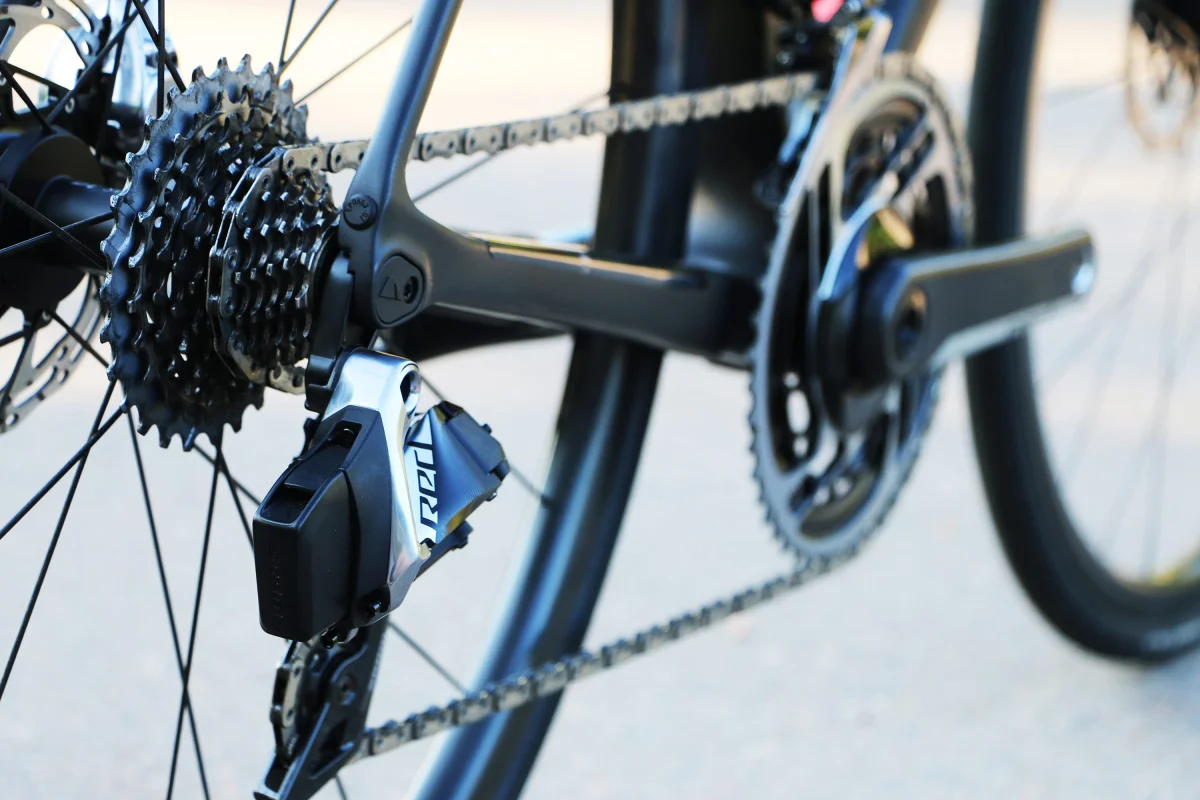
Many cyclists underestimate the importance of regular maintenance for their bikes, often believing that their bike is in great condition just because it rides smoothly. However, a significant issue often lies beneath the surface: a worn chain. One tool that can help you keep your bike in optimal condition is a chain checker, which is vital for identifying chain wear before it leads to more expensive repairs.
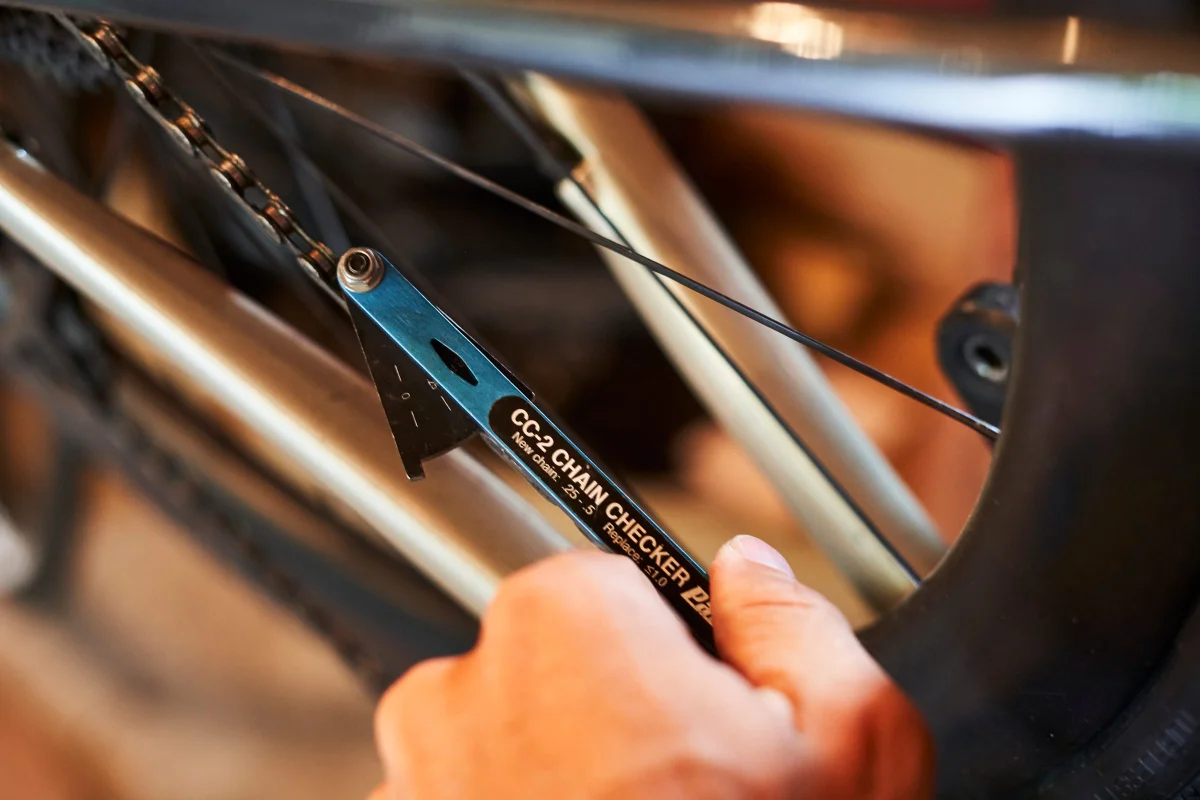
For years, I observed many bike owners come into my shop stating, "I ride my bike a lot, but it's in great shape. The shifting just jumps around a little." It was often after using a chain checker, a simple yet essential tool retailing around $16, that they discovered they might face hundreds of dollars in repair costs due to a stretched chain.
The Importance of Chain Checkers
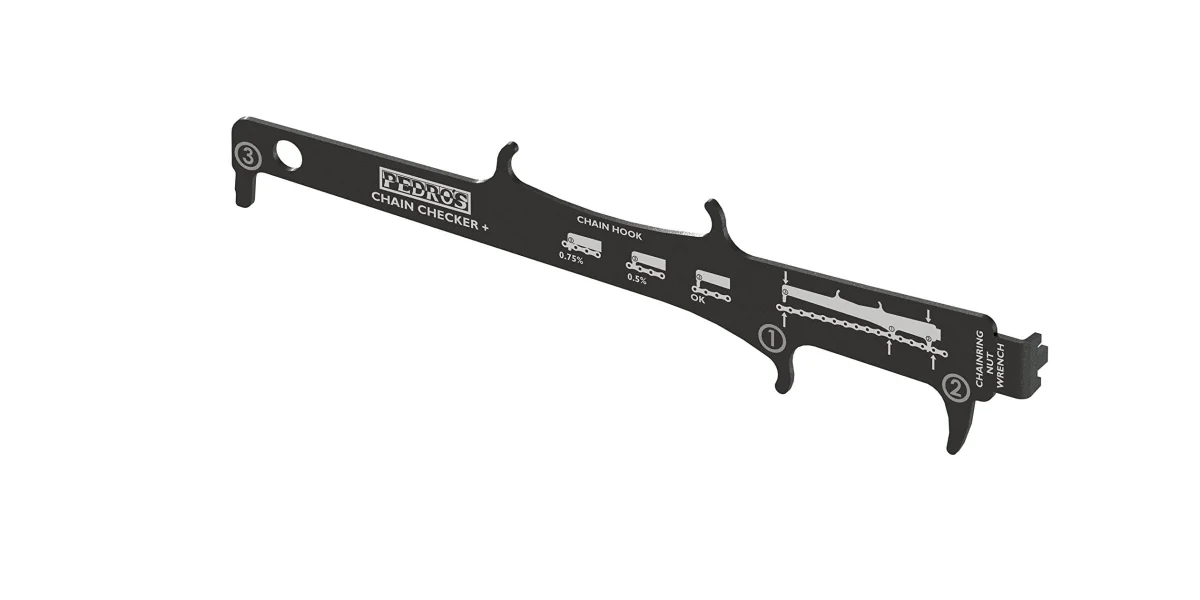
In a typical bike shop, one of the most recommended tools for maintaining the bike's drivetrain is the chain checker. Among the various options available, Pedro’s Chain Checker stands out due to its affordability and compatibility with multiple chain types. This compact tool fits conveniently in any repair kit, making it accessible for at-home bike maintenance.
A chain can stretch for various reasons, leading to poor shifting and other performance issues. While these symptoms can sometimes be attributed to derailleur settings, checking for chain wear is a straightforward process with a chain checker. By assessing the chain's condition, you can evaluate what components may need replacement, ultimately saving you money on unnecessary overhead costs.
Understanding Chain Wear
The naked eye often fails to accurately gauge how much wear a chain has endured, which can lead to missed opportunities for timely replacements. A well-functioning chain is crucial for the entire drivetrain system, which includes the cassette and chainrings. Many bike shops typically recommend replacing an 11, 12, or 13-speed chain once it reaches about 50% wear. This means that if your chain checker indicates more than that, it’s time to act quickly.

Once a chain exceeds 75% wear, the recommendation typically extends to replacing not just the chain but also the cassette and potentially the chainrings. This is a critical point because simply replacing the chain without addressing the worn cassette may result in even poorer shifting performance. An extreme case of this would be a situation known as "chain suck," where the worn chain could jam, leading to potential damage to both the drivetrain and the bike frame.
The Financial Impact of Neglect
As a cyclist, maintaining your gear can have significant financial implications. High-quality components, such as cassettes from leading brands like Shimano and SRAM, can cost as much as $400 to $660. This makes it increasingly crucial to keep tabs on chain wear. Following a "three-strike rule" with your chains could prove beneficial—essentially, using no more than three chains per cassette. By proactively managing chain wear, you could potentially save thousands over time.

Failing to do so may lead to cascading costs, especially if you own higher-end groupsets. For example, running a worn drivetrain until the chain becomes overly stretched could lead to costly repairs exceeding $1,000 when factoring in the prices of cassettes and chainrings. While mid-range groupsets like Shimano 105 or SRAM Rival don't always reach such extreme costs, vigilant maintenance still pays off in the long run.
Guidelines for Using a Chain Checker
Using a chain checker is straightforward. To begin, insert the first tooth of the chain checker into the links of the chain and then follow with the second. Finally, attempt to fit the third tooth into the chain. If the third tooth does not fit, this indicates that your chain is in good condition—less than 50% worn. If it goes halfway in, your chain is around 75% worn, and if it drops all the way through, it is between 75% and 100% worn. Regular checks, especially for 11, 12, or 13-speed chains, help maintain optimal drivetrain function.
Being aware of how worn your bike's chain is doesn't just improve performance; it also significantly extends the life of various components. Keeping a chain checker on hand and regularly using it can be a game-changer for any cyclist who wishes to prevent expensive repairs and continually enjoy their ride.