Side A · Liner notes
The Transformative Impact of Technology on Drug Development
Nutrition · Words by Kathy Vuksanaj · Released
The drug development landscape is evolving rapidly, driven by multiple converging technologies that enhance discovery and production processes.
The Changing Landscape of Drug Development
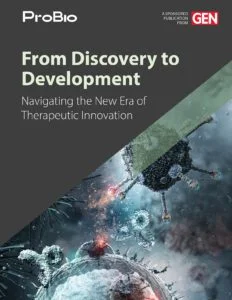
The life sciences sector is experiencing a significant shift characterized by the convergence of various innovative technologies. This change represents a departure from traditional singular advancements, marking a new era in drug discovery and development. Advancements in artificial intelligence (AI) are notably accelerating the pace of drug discovery, while therapies such as cell and gene treatments are broadening the range of options available for addressing complex health challenges. In addition, innovations in antibody engineering go beyond the boundaries of traditional monoclonal antibodies, incorporating new forms and strategies that enable improved efficacy and specificity.
Innovative Therapeutic Modalities
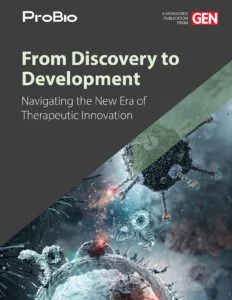
Today, modalities like messenger RNA (mRNA) technology, viral vectors for gene delivery, antibody-drug conjugates (ADCs), and multispecific antibodies are substantially altering developers' approaches to diseases that were previously difficult to treat. Each of these innovations contributes to a larger picture and indicates a collaborative rather than linear path toward effective therapeutics. Individually, they represent significant advancements; collectively, they indicate a major evolution in drug development practices.
The Evolution of Development Frameworks
Historically, the path of therapeutic development adhered to a well-defined framework: identify a biological target, optimize a lead candidate, advance through preclinical studies, and conduct clinical evaluations. Though challenging, this process was relatively predictable by its well-established structure. However, the complexity and speed of science today compel a re-examination of this framework. Developers now have more than just small molecules and conventional biologics from which to choose. A rich toolkit of advanced therapeutic technologies is available, each offering distinct advantages and facing unique manufacturing, regulatory, and analytical challenges.
Manufacturability and Scalability as Priorities
The evolving nature of drug development necessitates a shift in focus from simply discovering promising molecular candidates to considering how these candidates can be manufactured on a large scale. The success of therapeutic candidates is now increasingly contingent upon their manufacturability and scalability. Decisions regarding developability, production methods, analytical characterization, and clinical strategies that were once relegated to later phases of development must now be addressed much earlier in the process. This shift indicates that drug development is becoming a more continuous, interconnected journey rather than a series of isolated, linear steps.
Integration of Technologies
Moreover, the delineating lines between classical disciplines in drug development are becoming blurred. For instance, cell therapies may integrate viral vectors to enhance delivery mechanisms, while gene therapies might utilize lipid nanoparticles for improved bioavailability. Antibody development is also evolving, with programs transforming into multispecific or conjugated formats that leverage multiple mechanisms of action for enhanced therapeutic effectiveness. The future of drug development increasingly hinges on the successful integration of various technological modalities rather than being defined by any one approach.
Strategic Positioning for Success
Organizations that develop a holistic approach—combining discovery expertise, modality-specific knowledge, and robust manufacturing capabilities—are likely to navigate this evolving environment successfully. They will be adept at identifying key avenues for innovation, ensuring they can move the next generation of therapies from conceptual stages into clinical settings effectively and efficiently. As the drug development landscape grows more intricate, the organizations that can blend these diverse areas successfully will position themselves at the forefront of this transformation.
Looking Ahead: Key Trends and Considerations
In the following discussions, various articles will delve into several key trends that are shaping this new era of drug development. Topics will range from AI-enabled discovery processes and experimental validation to advances in cell, gene, and biologic therapies. As developments in these fields progress, it will be essential to watch how they influence interaction with regulatory bodies and oversight mechanisms, ensuring that innovation aligns with safety and efficacy standards.
As the field continues to evolve, stakeholders across the spectrum—from researchers and manufacturers to healthcare providers and patients—must remain engaged with developments. Collaboration and communication among experts from diverse backgrounds will be critical to harness the full potential of these innovations. The journey from discovery to development is becoming more dynamic, requiring agility, creativity, and a strategic vision among organizations involved in bringing new therapies to market.
The integration of complex technologies is indeed revolutionizing drug development, changing how we approach the treatment of previously intractable diseases. The possibilities presented by these advancements hold promise for more effective, tailored therapies that could greatly improve patient outcomes.
The post From Discovery to Development appeared first on GEN - Genetic Engineering and Biotechnology News.


