Side A · Liner notes
Understanding Choline: Essential Nutrient for Health and How to Ensure Adequate Intake
Nutrition · Words by Ocean Robbins · Released
Choline is a critical nutrient linked to cognitive function and overall health. This article explores its roles, sources, and how to meet dietary needs, especially for plant-based eaters.
Choline is a vital but often overlooked nutrient that plays numerous roles in human health. Despite its significance, many people are unaware of its functions or the importance of ensuring adequate intake, particularly among those following plant-based diets. Recent discussions, particularly surrounding a notable article published in the BMJ Nutrition, Prevention & Health in 2019, have raised awareness about potential shortfalls in choline consumption, especially with the increased popularity of veganism and plant-based eating.
This nutrient, while not officially classified as a vitamin, is grouped with the B vitamins due to its similar properties and functions. Choline is essential for several physiological processes, and the body can synthesize it, but not in sufficient amounts. It was designated as an essential nutrient by the U.S. Institute of Medicine in 1998, highlighting the necessity of dietary sources to maintain adequate levels for optimal functioning.
The Role of Choline in the Body
Choline is involved in numerous critical biological functions:

Cell Structure and Signaling
Choline is a fundamental component of cell membranes, providing structural integrity and facilitating lipid transport across cell membranes. It plays an essential role in cell signaling, allowing cells to communicate effectively with one another.
Neurotransmitter Production
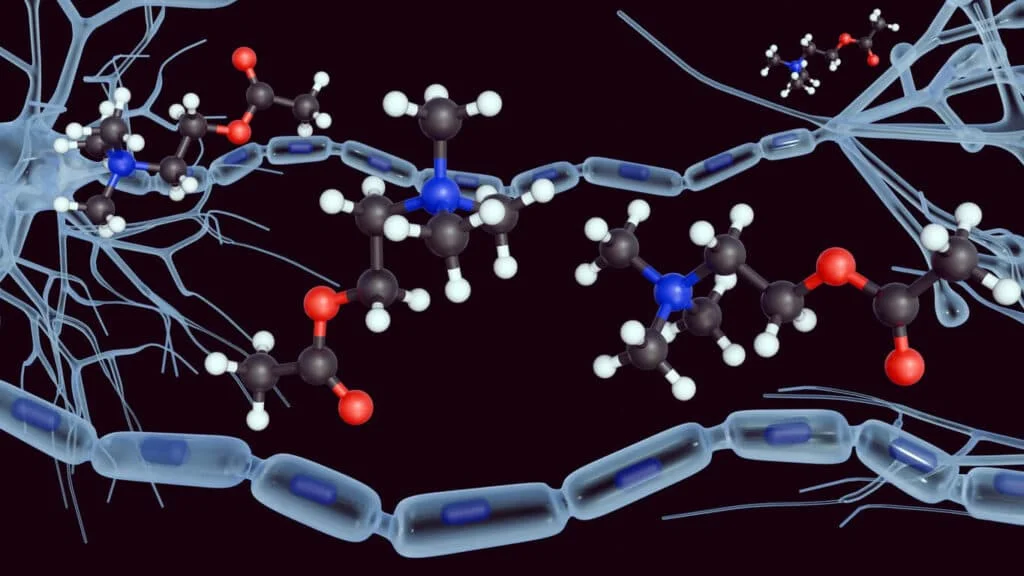
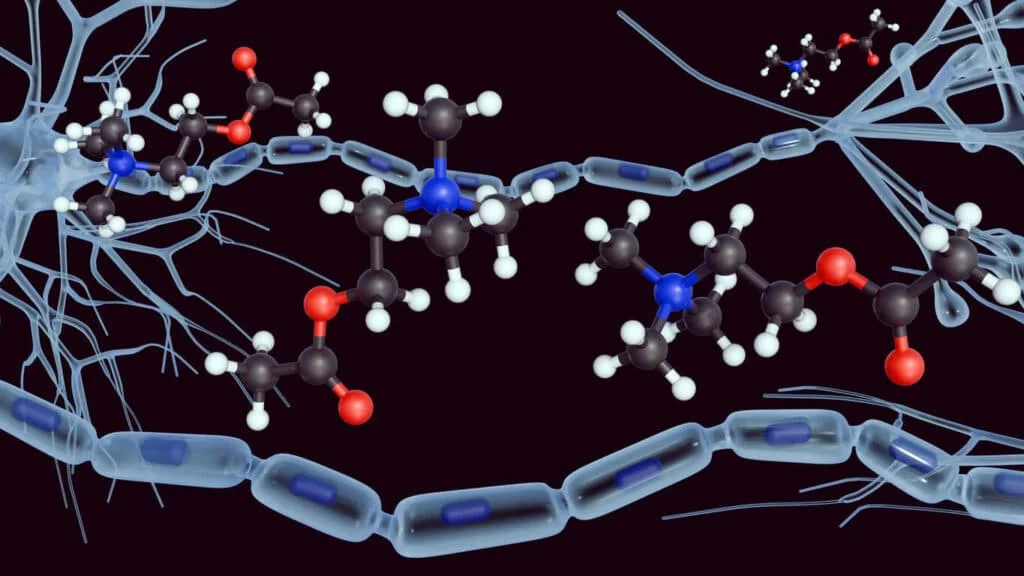
One of the most crucial functions of choline is its involvement in the synthesis of acetylcholine, a neurotransmitter vital for cognitive functions like memory, learning, and muscle control. The brain relies heavily on acetylcholine for effective communication between neurons.

Methylation Process
Choline is also integral to the methylation process, a biochemical mechanism that modifies gene expression and cellular function by adding methyl groups to DNA and proteins. This process is essential for regulating numerous biological functions, including hormonal control and metabolism.
Fat Transport and Liver Health
Another important role of choline is its involvement in the packaging and transportation of fats from the liver. A deficiency in choline can lead to fat accumulation in the liver, which can result in fatty liver disease—a condition often reversible with adequate choline intake.
Health Implications of Choline Deficiency
Given the myriad roles choline plays in bodily functions, it's crucial to understand the potential health implications of deficiency:
Cognitive Development
Choline is particularly important during periods of rapid brain development, such as in prenatal and early postnatal stages. Insufficient choline during pregnancy has been linked to neural tube defects and impaired cognitive function in offspring. Some studies have shown that increased maternal choline intake correlates with improved cognitive performance in children.
Liver Function and Disease Prevention
Choline deficiency is associated with a higher risk of liver diseases, including nonalcoholic fatty liver disease. Ensuring adequate choline intake may help in maintaining liver health and preventing conditions linked to fat accumulation.
Potential Cancer Risk
Emerging research has examined the relationship between choline and cancer risk, particularly colorectal cancer. Some studies suggest that higher choline intake may be associated with a lower incidence of certain cancers, although definitive conclusions have yet to be drawn; further research is necessary.
Assessing Choline Intake
Despite its importance, many people do not consume adequate levels of choline. In the United States, recent dietary surveys indicate that average choline intake is below recommended levels, with only a small percentage of adults meeting or exceeding the Adequate Intake (AI) of 425 mg per day for women and 550 mg for men, which increases during pregnancy and breastfeeding.
European data corroborates this claim; national dietary surveys reveal that average choline intake often falls short of recommendations, indicating that inadequate dietary choline is a widespread issue rather than a problem exclusive to those on plant-based diets. While a vegetarian or vegan diet may present unique challenges in obtaining enough choline, it is evident that many omnivores also fail to meet their needs.
Choline Sources for Plant-Based Dieters
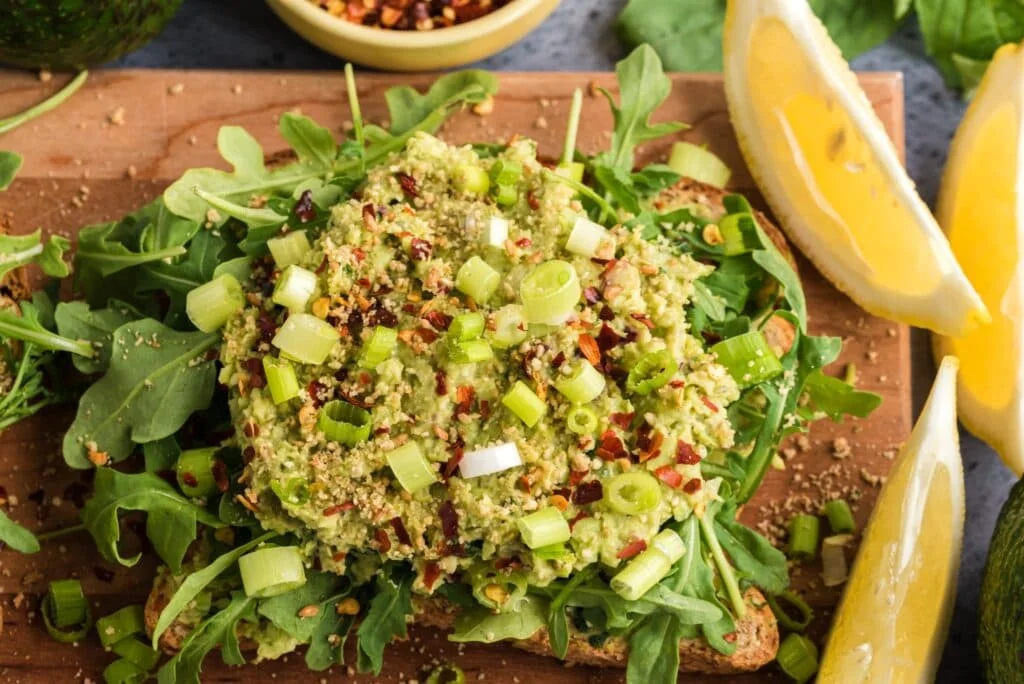
Finding choline sources is essential, particularly for those following a plant-based diet. While animal foods like eggs and beef liver are among the richest sources of choline, various plant foods can also provide significant amounts:
| Animal Foods | Milligrams per serving |
Percent Daily Value (DV) |
|---|---|---|
| Beef liver, pan-fried, 3 ounces | 356 | 65% |
| Egg, hard-boiled, 1 large | 147 | 27% |
| Chicken breast, roasted, 3 ounces | 72 | 13% |
| Plant Foods | Milligrams per serving |
Percent Daily Value (DV) |
|---|---|---|
| Soybeans, roasted, ½ cup | 107 | 19% |
| Potatoes, red, baked, 1 large | 57 | 10% |
| Wheat germ, toasted, 1 ounce | 51 | 9% |
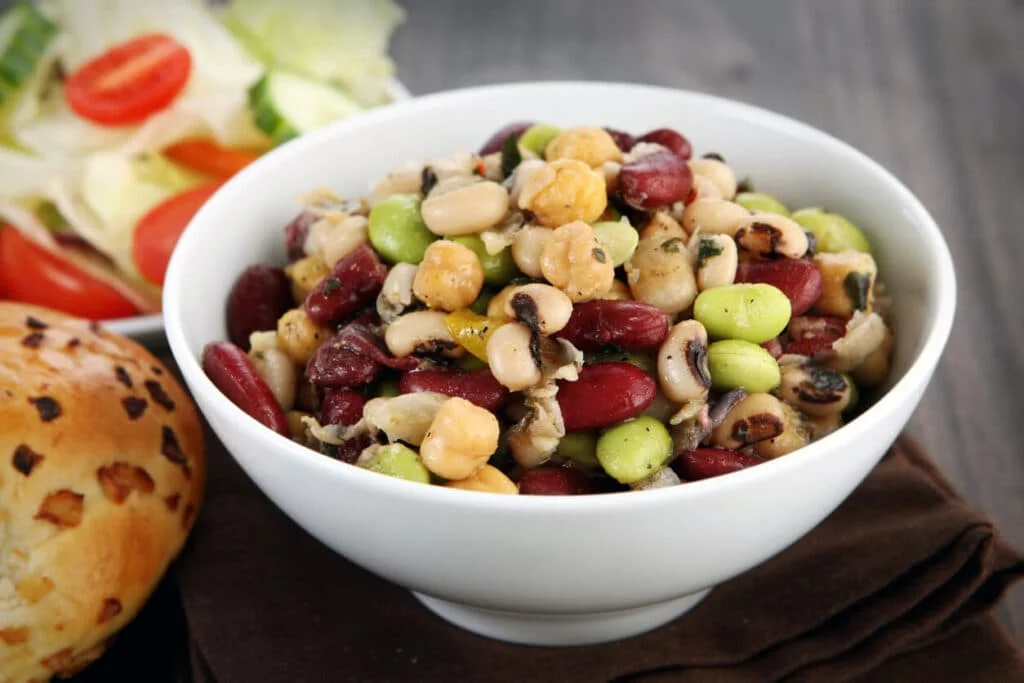
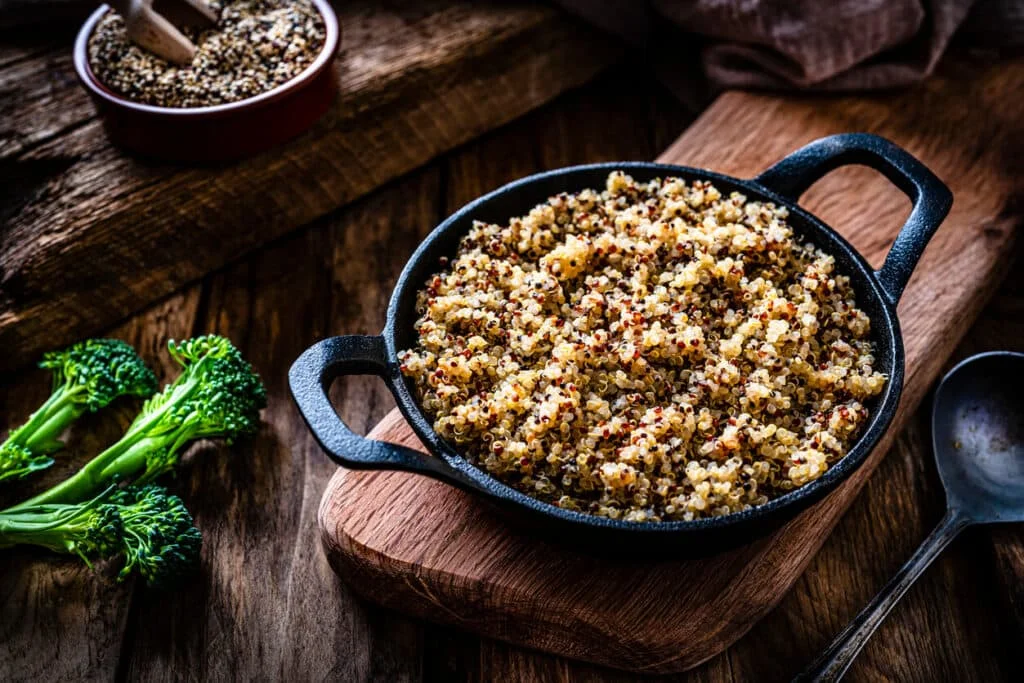
Including a variety of these foods can help ensure that you meet your daily choline needs. Both soy products and legumes, along with whole grains and cruciferous vegetables, can contribute to adequate intake levels.

Supplementation Consideration
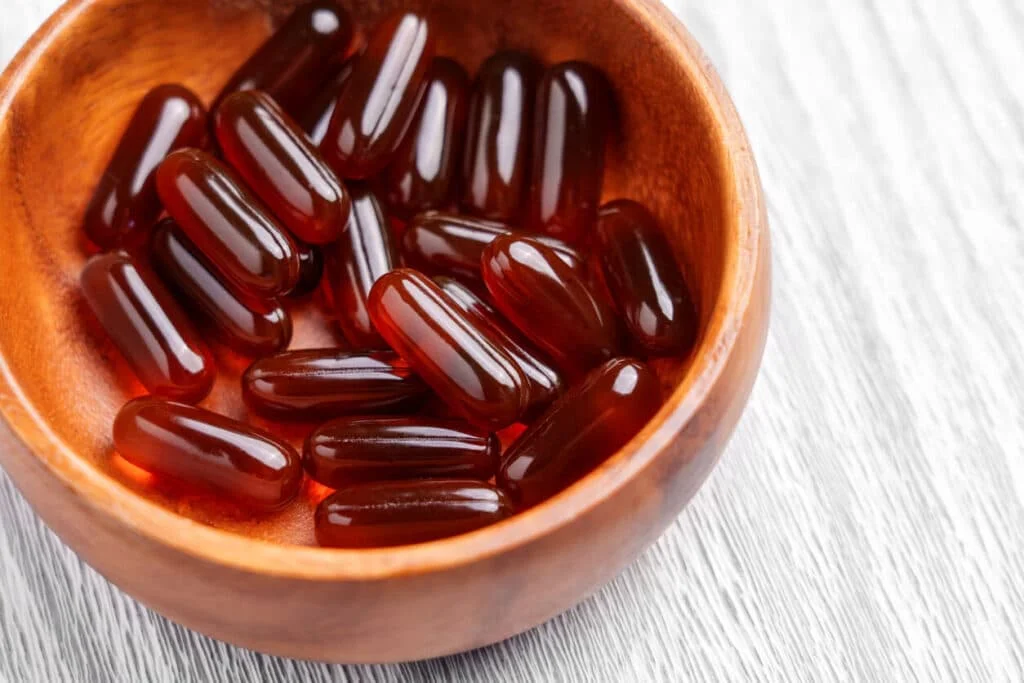
If dietary sources do not meet individual needs, supplementation may be an option. However, it's recommended to start with food sources before considering supplements, as they provide additional nutrients that work synergistically with choline.
For those who are pregnant, breastfeeding, or have specific genetic variants affecting choline metabolism, consulting with a healthcare provider regarding supplementation could be prudent. The most commonly used supplements are choline salts (such as choline bitartrate) and phosphatidylcholine, which offer different levels of efficacy and different impacts on gut health.

Practical Tips for Increasing Choline in Your Diet
Incorporating choline-rich foods into your diet can be straightforward. Below are some practical suggestions:
- Start your day with oatmeal topped with toasted wheat germ or add nut butter to help boost choline intake.
- Include roasted soybeans or edamame in salads to enhance the nutritional profile of meals.
- Experiment with tofu or tempeh in various dishes, as they are both excellent plant sources of choline.
- Make croquette and stir-fries using brussels sprouts, broccoli, and other cruciferous vegetables combined with grains to provide a choline-rich meal.
Conclusion
Choline is an essential nutrient with numerous roles in maintaining health, particularly concerning cognitive function, liver health, and prenatal development. While many people, regardless of their dietary patterns, may fall short of recommended choline intake levels, awareness and dietary planning can help address this nutritional gap. Including a variety of choline-rich foods, particularly for those following a plant-based diet, can contribute significantly to overall wellbeing.
As research progresses, we will gain deeper insights into the mechanisms by which choline may influence health outcomes, but for now, ensuring an adequate intake of this essential nutrient should be a priority for everyone.
Ultimately, choline is a nutrient worth paying attention to—a small addition to your diet that can have significant health benefits.


