Side A · Liner notes
Can Plasma Exchange Offer Insights into Aging and Longevity?
Nutrition · Words by Rachel Reiff Ellis · Released
A recent study suggests therapeutic plasma exchange could reduce biological age, but experts caution it's still in early research stages with temporary effects.
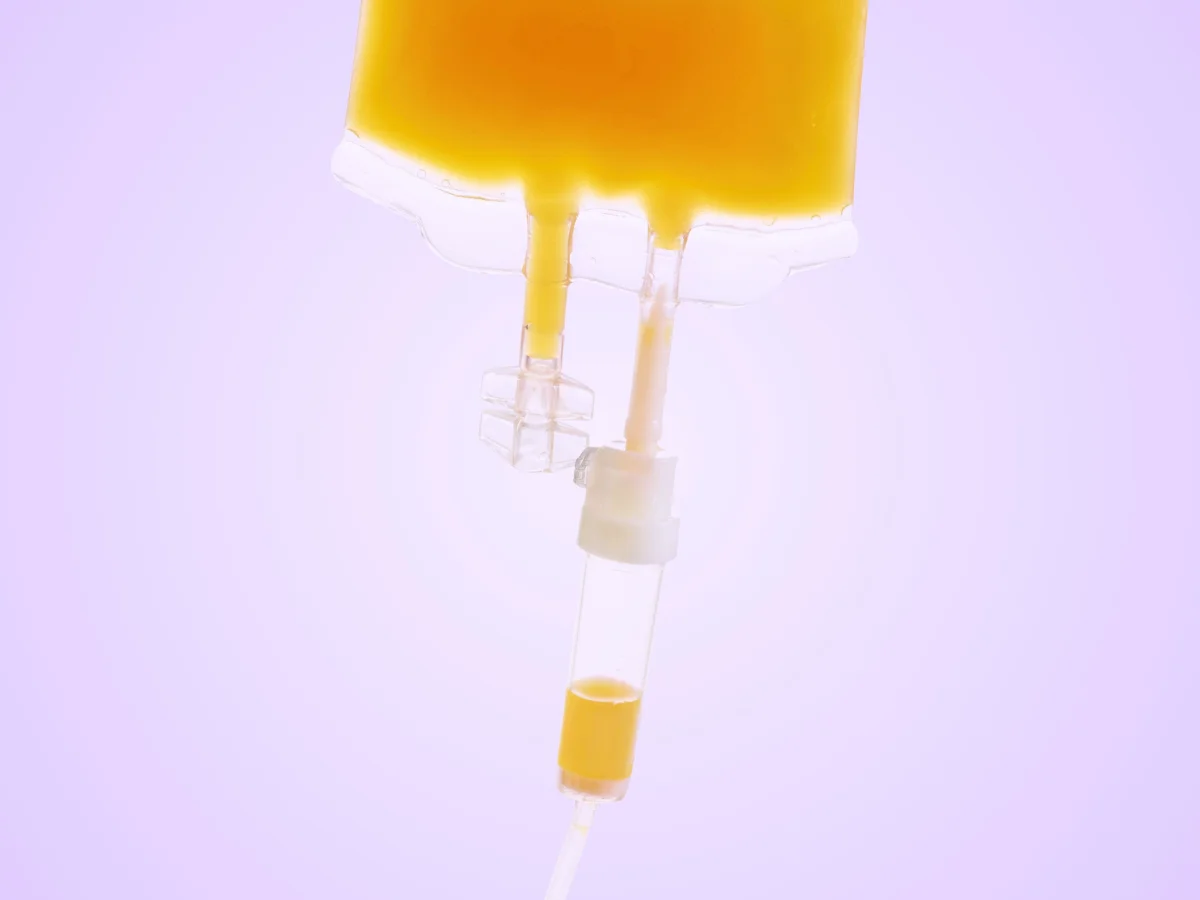
For centuries, the pursuit of longer and healthier lives has fascinated scientists and laypeople alike. One recent avenue of exploration involves a procedure called therapeutic plasma exchange, which aims to filter and replace the plasma in your blood. A study published in 2025 in Aging Cell proposes that this technique may reduce biological age by an average of 2.5 years, presenting an intriguing perspective on aging.
However, before jumping to conclusions, it’s crucial to carefully examine what the study actually reveals and the implications of its findings. Researchers are still investigating how plasma can affect aging, a process that involves much more than just replacing blood components.
The Role of Plasma in Aging Research
Plasma, the liquid part of blood, consists primarily of water but also contains proteins, hormones, and various signaling molecules. Dr. Andrea Maier, a geriatrician and member of the Academy for Health and Lifespan Research, describes plasma as a vital transport system. It carries a wealth of information throughout your body, relaying the state of your organs and systems.
This characteristic makes plasma a prime target for research on aging. By analyzing proteins in plasma, researchers can gauge a person's biological age, which may differ from their chronological age. As noted by Dr. Keenan Walker from the National Institute on Aging, individuals whose biological age outpaces their chronological age may face higher risks for various chronic diseases and early mortality.
Research interest in plasma as an anti-aging intervention began around 15 years ago when scientists tested a technique called parabiosis. This involved connecting the circulatory systems of old and young mice to discover whether the introduction of younger plasma could rejuvenate older subjects. The results indicated that younger plasma could enhance resilience against stress in older mice, leading to significant implications for treating age-related conditions.
Understanding the Latest Study
The recent study involved 42 participants who underwent plasma exchange therapy, in which their plasma was replaced with purified albumin and saline. Some participants also received intravenous immunoglobulin (IVIG). Throughout the trial, researchers evaluated various biological markers indicative of aging.
Initially, it seemed that this intervention effectively reduced biological age by approximately 2.5 years. However, Dr. Maier points out that this measurement was taken at a midpoint, and the benefits appeared diminished by the end of the study. Such findings highlight the need for caution when interpreting interim results. Dr. Maier indicates that while a short-term reduction in biological age is possible, the body often adapts to significant changes in plasma composition, leading to a return to baseline conditions over time.
The variability in participants' health status also impacted outcomes. Individuals with poorer health tended to experience more significant effects from the intervention. This suggests that the results may vary based on a person’s overall health and specific circumstances, paving the way for further research into who may benefit the most.
Limitations and Future Directions
Experts agree that while the study presents promising insights, it should be viewed as preliminary. Dr. Maier characterizes the research as a phase 1 study, indicating its foundational nature. While it underscores the safety of the procedure, larger-scale studies will be essential to ascertain the long-term effects and ideal candidates for plasma exchange.
Moreover, the notion of using plasma exchange more broadly for age-related interventions must be approached with caution. Both Dr. Maier and Dr. Walker emphasize the importance of personalizing such treatments. Blood-based therapies hold potential, but researchers argue for a more refined and targeted approach that goes beyond generic plasma filtering.
While the findings may spark interest in plasma clinics, health professionals advise against taking action based on this study alone. The work marks a significant step forward in understanding plasma's role in aging but is not yet ready for widespread clinical application. Future efforts must refine the techniques and establish clearer guidelines regarding who might benefit and how.
Perspective on Aging Interventions
This exploration into plasma’s role in longevity and aging treatment highlights the complexity of age-related biology. Research continues to evolve, and both scientists and healthcare providers remain cautiously optimistic about future developments. Potential interventions must be meticulously studied before becoming standard practice. If history serves as a guide, what may seem promising today could lead to more nuanced and refined approaches in the years to come.
As science continues to examine the intricate relationships between plasma, aging, and overall health, it promotes a deeper understanding of human biology. Staying informed about emerging research is crucial, and for those considering experimental therapies, consulting healthcare professionals is always advisable.


