Side A · Liner notes
Effective Layering Strategies for Cold-Weather Cycling: From 50 Degrees to Freezing
Nutrition · Words by Joseph Garcia · Released
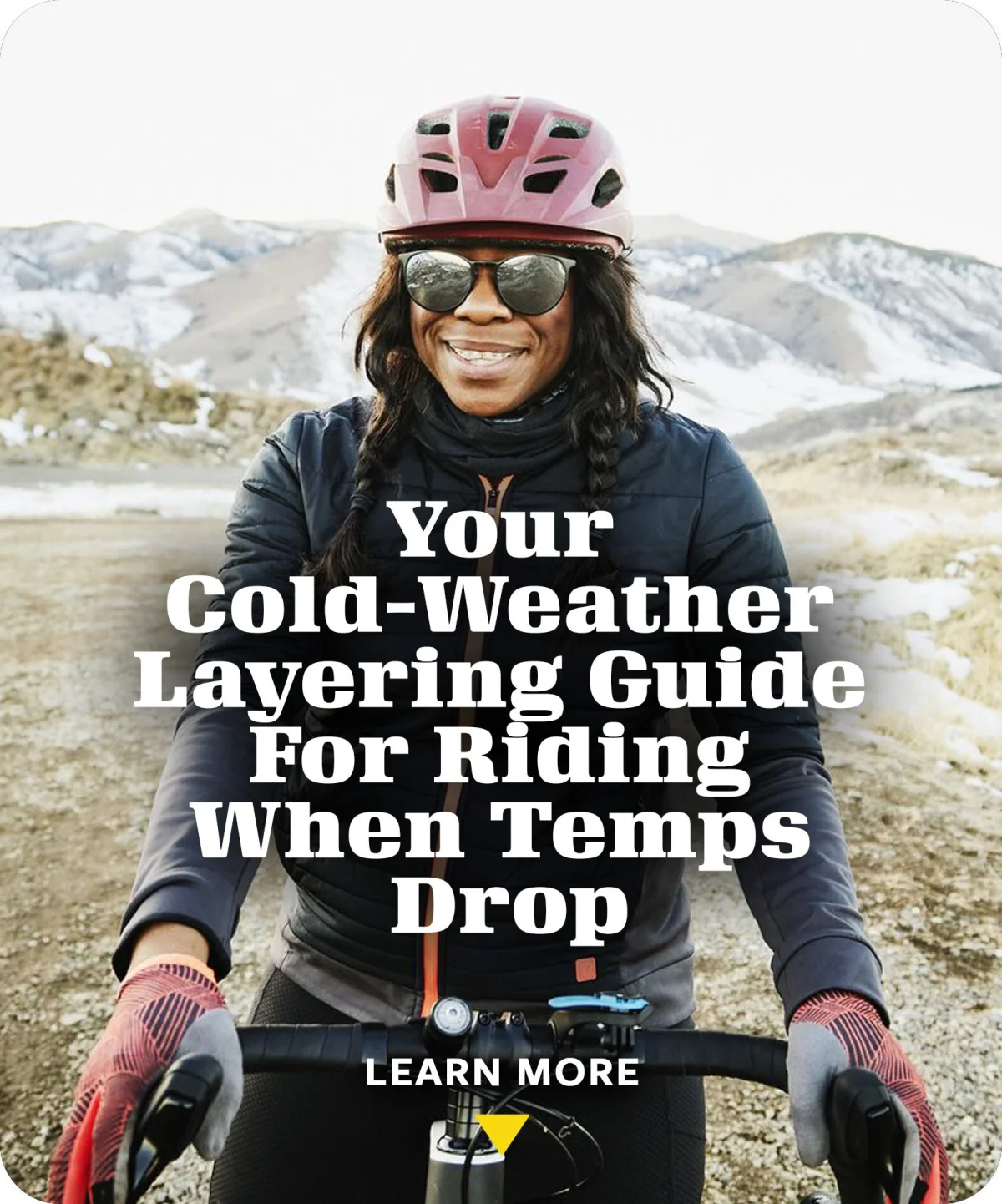
Discover how to stay warm and comfortable during cold-weather cycling with effective layering strategies tailored to varying temperatures and ride intensities.
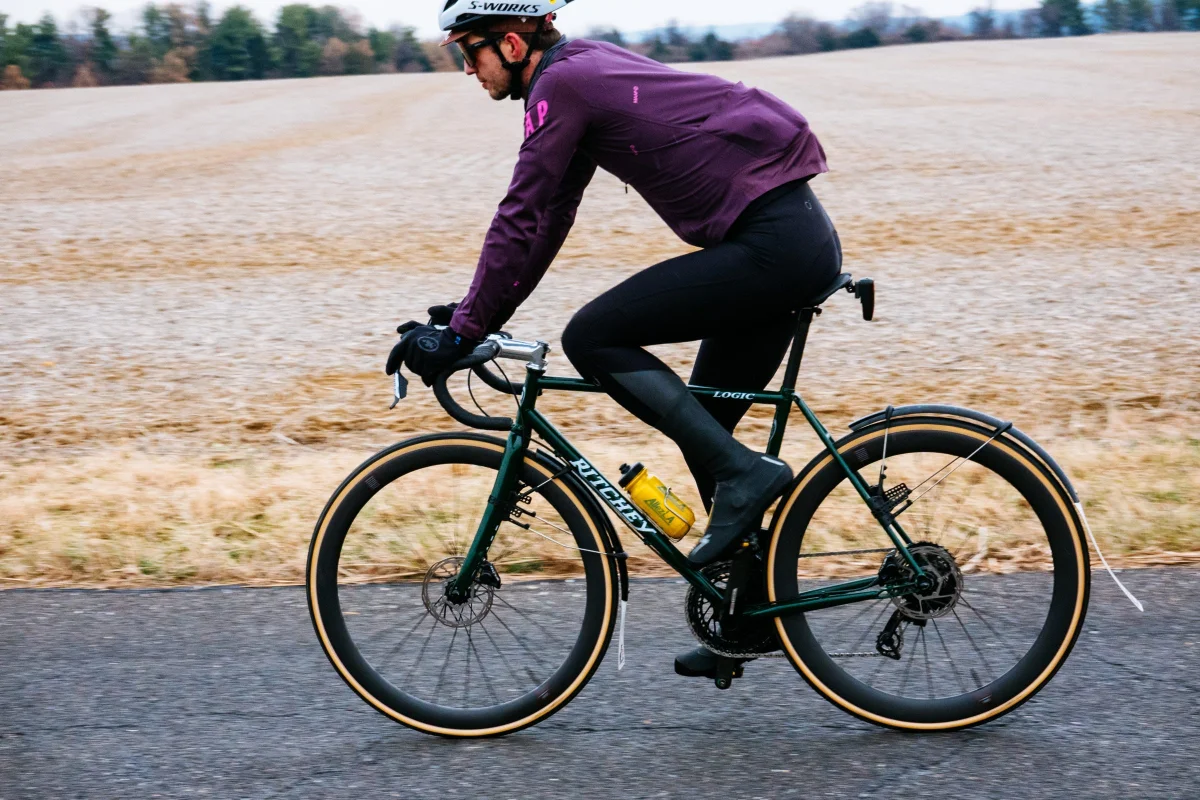
Layering is essential for maintaining warmth and comfort while cycling in winter conditions. The concept revolves around combining different types of clothing that serve specific purposes: regulating temperature, managing moisture, and protecting against cold winds and precipitation. The intensity of your ride can significantly influence your layering choices. For instance, a vigorous ride that includes challenging climbs might generate more sweat compared to a steady-paced ride, necessitating different layers. Likewise, transitions from climbs to descents can require quick adjustments to avoid chilling from damp clothing.
Preparing for Your Ride
Before gearing up for a winter ride, it's essential to check the weather conditions. I recommend evaluating the forecast close to your departure time to ensure accuracy. Pay attention to various factors, including the temperature range, wind speed, wind direction, and the likelihood of precipitation, alongside humidity levels.

Next, decide the nature of your ride. High-intensity rides involving challenging climbs will require more breathable layers than steady, moderate-paced rides. It's typically advisable to start with slightly less clothing than you think you need, expecting to feel a little cool during the initial phase of your ride. Your body heats up quickly, and if you begin too warm, you'll likely end up drenched in sweat, leading to chills.

Flexibility is key when cycling in winter. Carrying a small frame or handlebar bag is beneficial for swapping layers mid-ride, be it shedding a heavier vest for a lighter one or packing spare gloves or a rain shell. Additionally, tailor your clothing to your personal comfort preferences—those who tend to run hot may prefer more breathable fabrics, while those sensitive to the cold may choose additional insulation.
Understanding Layering Principles
The fundamental concept of cold-weather layering is built around a three-layer system, designed to optimize moisture management, provide warmth, and shield against elements while allowing for moisture evaporation. Each layer plays a critical role in ensuring that you stay warm without overheating.
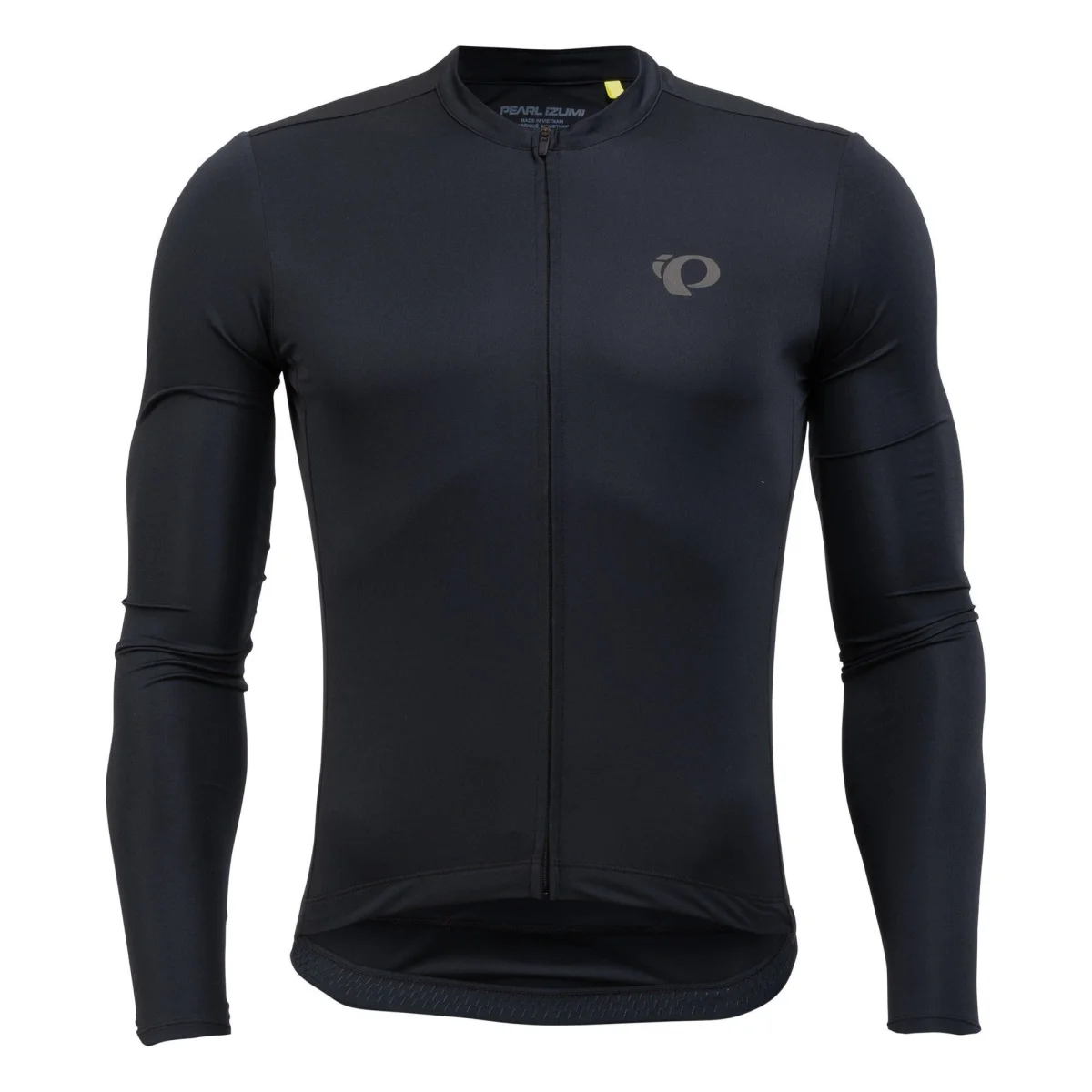
The base layer should sit snugly against your skin, primarily functioning to wick moisture away. In cold temperatures, any sweat left on your skin accelerates heat loss, which can ultimately lead to chills. Therefore, the base layer must be thin, fitted, and made from efficient moisture-wicking materials. Lightweight synthetic fabrics like polyester excel in this capacity as they rapidly pull moisture away and dry quickly.
The mid-layer is crucial for providing adjustable insulation, allowing for warmth to be increased or decreased depending on the temperature, wind, and intensity of your ride. On harder rides, a lighter, breathable mid-layer will help mitigate overheating. Conversely, on colder rides, a thicker mid-layer, such as a merino wool option, can provide much-needed warmth without compromising moisture transfer.

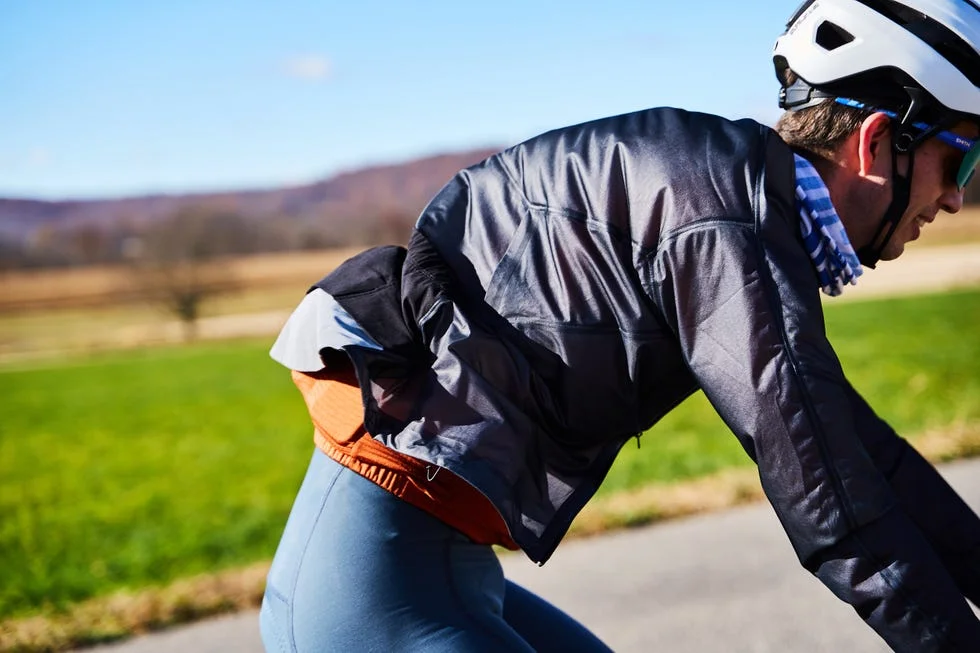
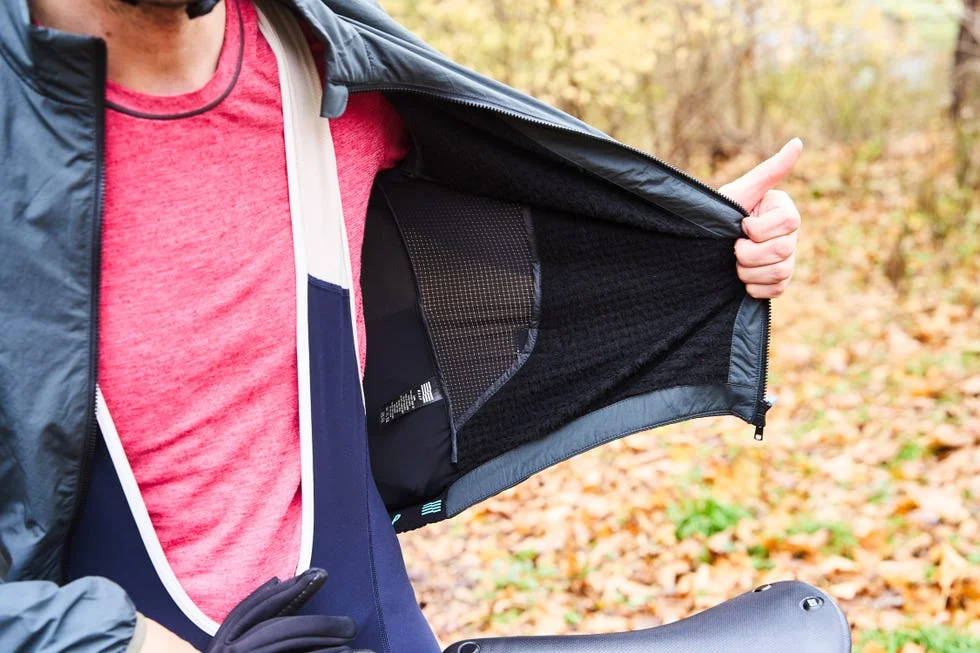
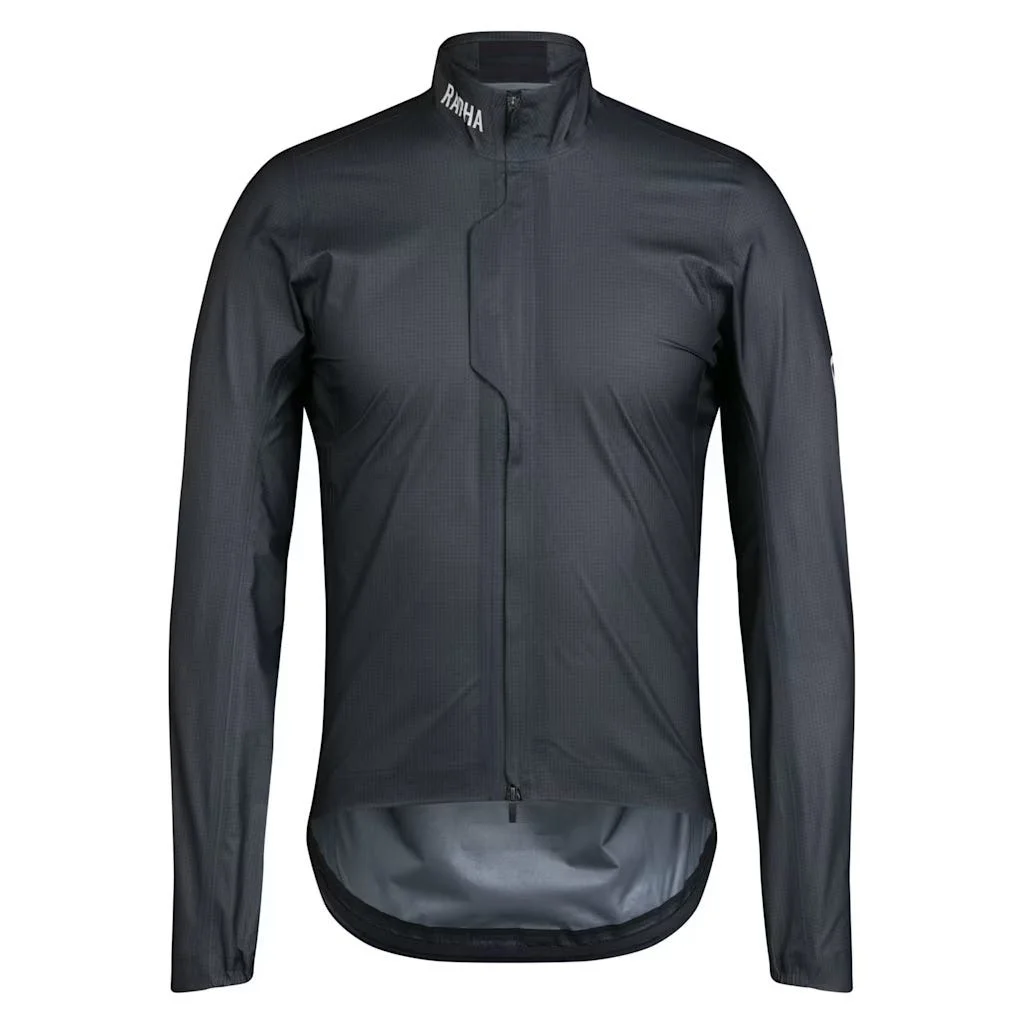
Finally, the outer layer protects against wind and water while still enabling internal moisture to escape. For dry and windy days, a wind-blocking vest or breathable softshell can shield your core without excessive warmth. In colder or variable weather, opt for jackets with a mix of more protective fabric on the chest and lighter panels on the back to ensure warmth is effectively maintained without resulting in overheating.
During sustained rain, a dedicated hardshell rain jacket will offer the best protection. While less breathable, it is essential to balance out interior insulation to avoid an overheating scenario. Look out for outer layers equipped with two-way zippers, as these allow for ventilation from the bottom up, effectively cooling your core without exposing yourself to cold air.
Leg Considerations
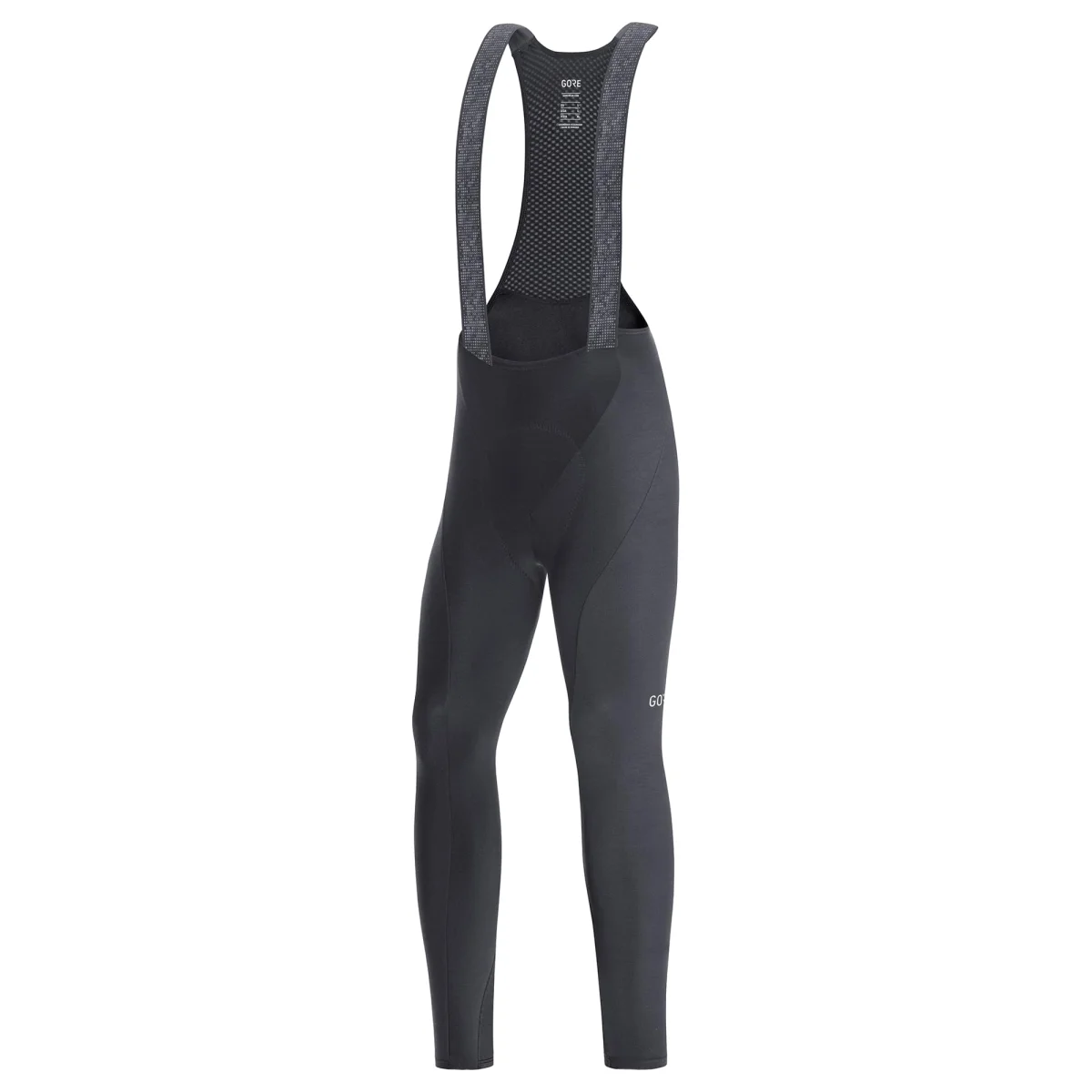
Typically, most cyclists find that one layer on their legs suffices for warmth. However, layering principles can still apply. For instance, many prefer knit leg warmers for their exceptional breathability during high-intensity rides in less severe cold. When temperatures drop significantly, transitioning to winter tights becomes more common, especially given that wearing regular bib shorts is often uncomfortable in frigid conditions.
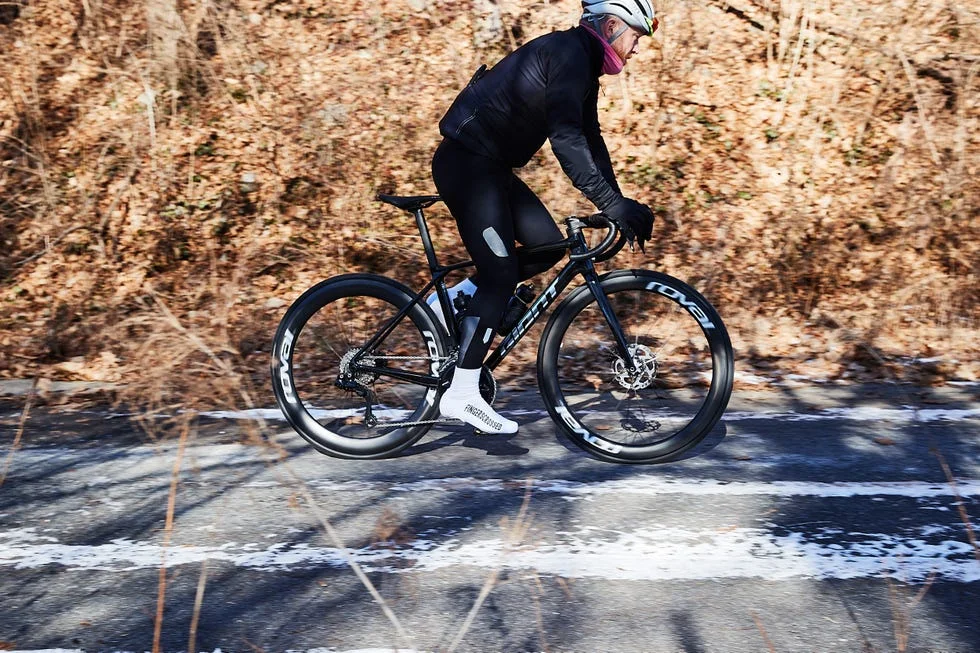
When selecting winter tights, look for those made from variable fabric types that offer added wind protection across the knees and quadriceps areas, while integrating lighter, more breathable materials along the back of the legs.
Hands, Feet, and Headwear
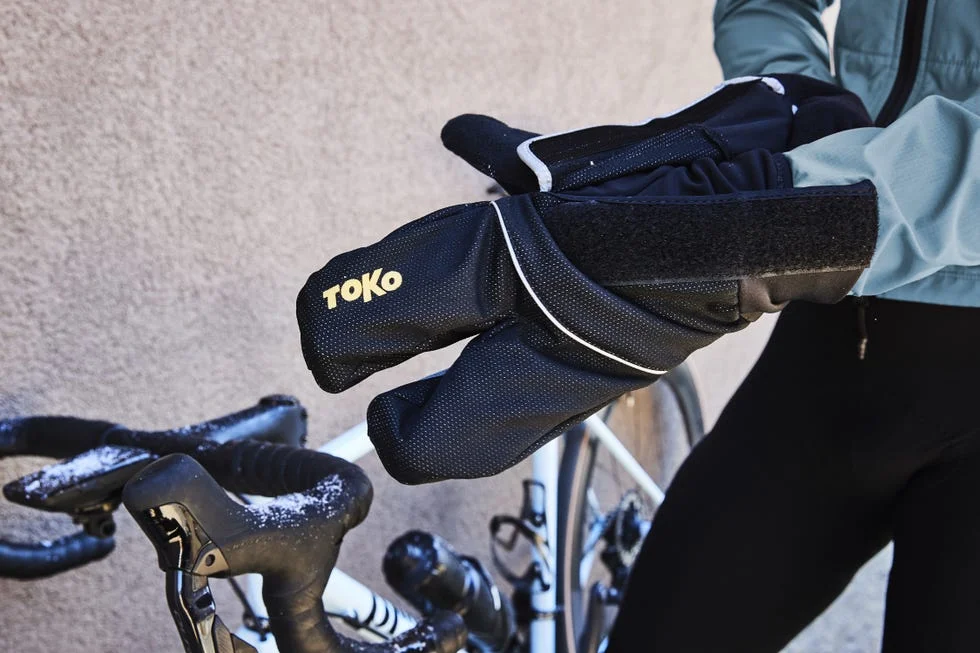
Maintaining warmth in your hands starts with ensuring your core is adequately warm. Once that's sorted, focus on your glove setup. A thinner, moisture-wicking liner glove can preserve dexterity while adding a moderate temperature boost. An insulated outer glove that is wind-resistant will complete your glove ensemble accordingly.
Fit is critical when it comes to gloves. Tight gloves restrict blood flow, which can make your hands feel colder, while oversized gloves allow cold air to penetrate, diminishing control over the bike.
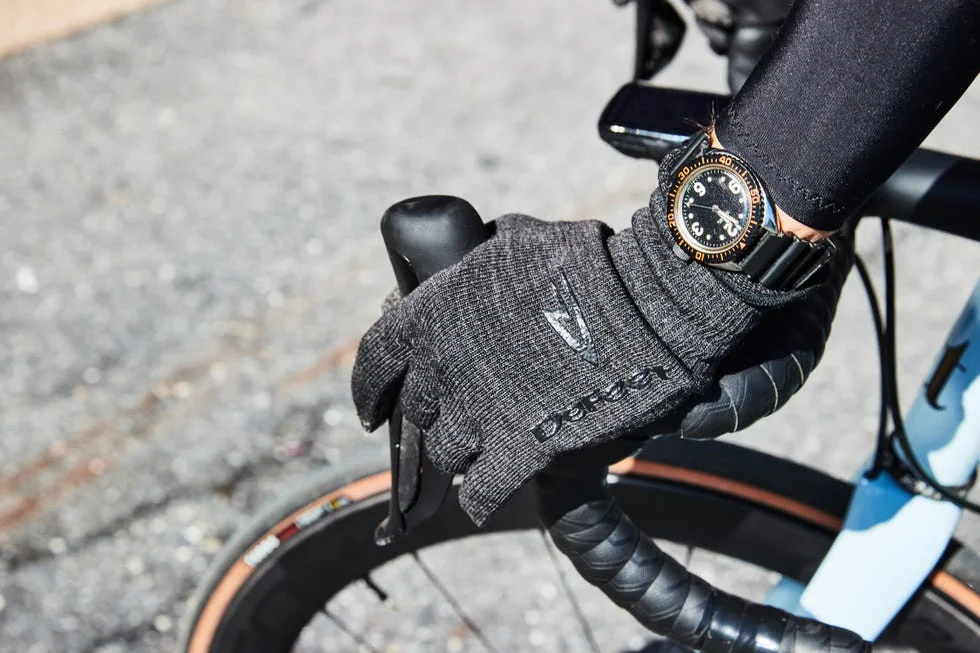
For scenarios involving significant temperature fluctuations, long climbs, or intense intervals, carrying an additional pair of gloves is advantageous. Opt for a lighter set for warmer conditions or higher intensity efforts and a thicker option for descending or colder weather. Remember to ventilate your torso at the start of climbs; saturated gloves can quickly lead to freezing fingers.
For foot warmth, choose thermal socks engineered for moisture-wicking capability, which can then be paired with shoe covers matched to prevailing weather conditions. For frosty, dry days, light knit oversocks can work, while severe cold or wet conditions may necessitate multi-layered membrane shoe covers that guard against both water and wind. A trick to enhance warmth involves adding a thin barrier layer, like a latex shoe cover beneath your main shoe cover or using plastic wrap over your socks; apply this method sparingly to avoid trapping moisture that might result in cold feet.

On very chilly days, consider using a less-vented helmet or a helmet cover to block wind. When cycling in steady rain, a cap with a small brim can keep water off your face and out of your eyes. Employ a breathable gaiter around your neck capable of sealing the collar to prevent drafts while being easy to lower during climbs for improved ventilation.
As with other layers, adjust your activity levels: loosen the gaiter or lift the brim on less intense efforts, and secure everything back before descending to prevent warmth loss.

Dealing with Rain
Your rain jacket choice should be based on the rain's duration and intensity. For light showers and road spray, a breathable water-resistant jacket will generally suffice. However, if you expect continuous rain, opt for a true hardshell and lower insulation underneath to regulate temperature effectively.

Pay attention to the cuffs and hems of your clothing: ensure glove cuffs overlap with jacket sleeves to direct rainfall away, keep sock cuffs beneath shoe cover cuffs to minimize moisture intrusion, and tape over shoe vents during cold, wet rides to curtail heat loss. Prioritizing warmth and wind protection is often more critical than chasing complete dryness in these scenarios.

The reality is, if you're riding in persistent rain, you are likely to get wet. However, staying warm is entirely feasible. Selecting neoprene gloves and shoe covers can help retain heat even when wet.
Layering Tips and Tricks
- Dress for the most demanding segments of your ride. If you gear up too warmly for idleness, you'll probably overheat during more vigorous segments. Strive to begin slightly underdressed.
- Activate vents and zippers proactively: unfasten them during climbs and secure them for descents. Utilizing two-way zippers will provide targeted airflow without a cold blast to your chest.
- Smaller riders or those with less muscle mass often generate insufficient heat and can lose it quickly. Opt for a bit more insulation but remain breathable to avoid sweat-related chills.
- The converse might hold for larger riders who tend to be warmer. Always consider individual differences when choosing your layers.
- Accessories can greatly enhance your setup! Arm warmers, knee or leg warmers, lightweight glove liners, and vests offer low-bulk adjustments that can be more cost-effective than purchasing a new jacket.
- Optimize versatility: a quality base layer and a dependable rain shell with double zippers can form the foundation of many layering combinations.
Be conscious of where your pockets align after layering; a vest with sufficiently accessible pocket openings or a two-way zipper makes retrieving items easier. Avoid placing pockets in layers intended for removal mid-ride, as this complicates access to essential items.


Below are suggested kit combinations based on various temperature ranges. Adjust these based on your individual comfort levels, prevailing wind conditions, and the intensity of your ride. Tailor choices based on the expected effort:
Dry 45-50º

- Lightweight synthetic base layer
- Long-sleeve thermal jersey
- Lightweight wind vest
- Thermal bib shorts with leg warmers or light winter tights
- Standard cycling socks, knit shoe covers
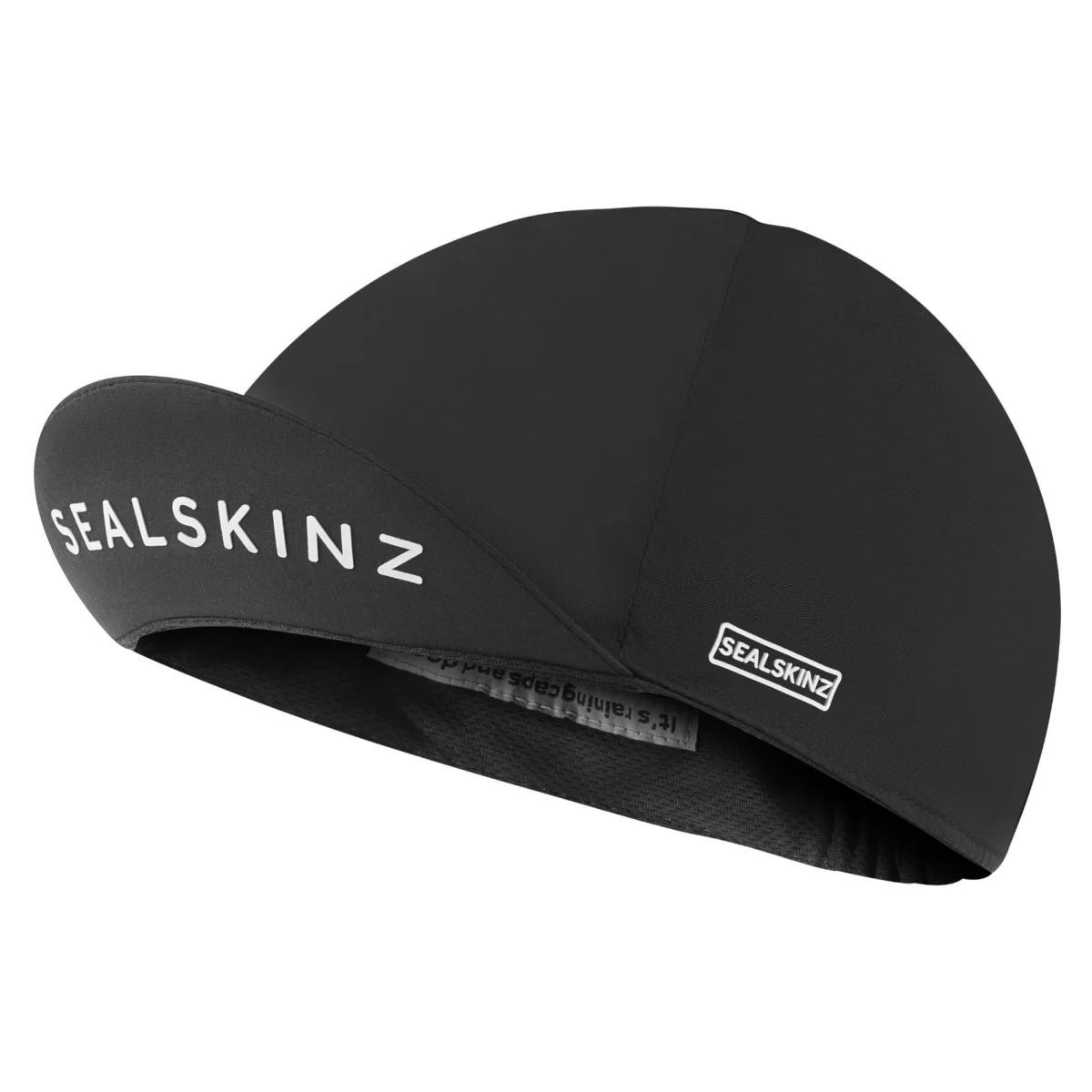
- Lightweight cap under helmet
- Medium-weight gloves
Effort adjustment: For a vigorous ride with climbs, keep the vest open or remove it before sweating begins; put it back on for exposed descents.
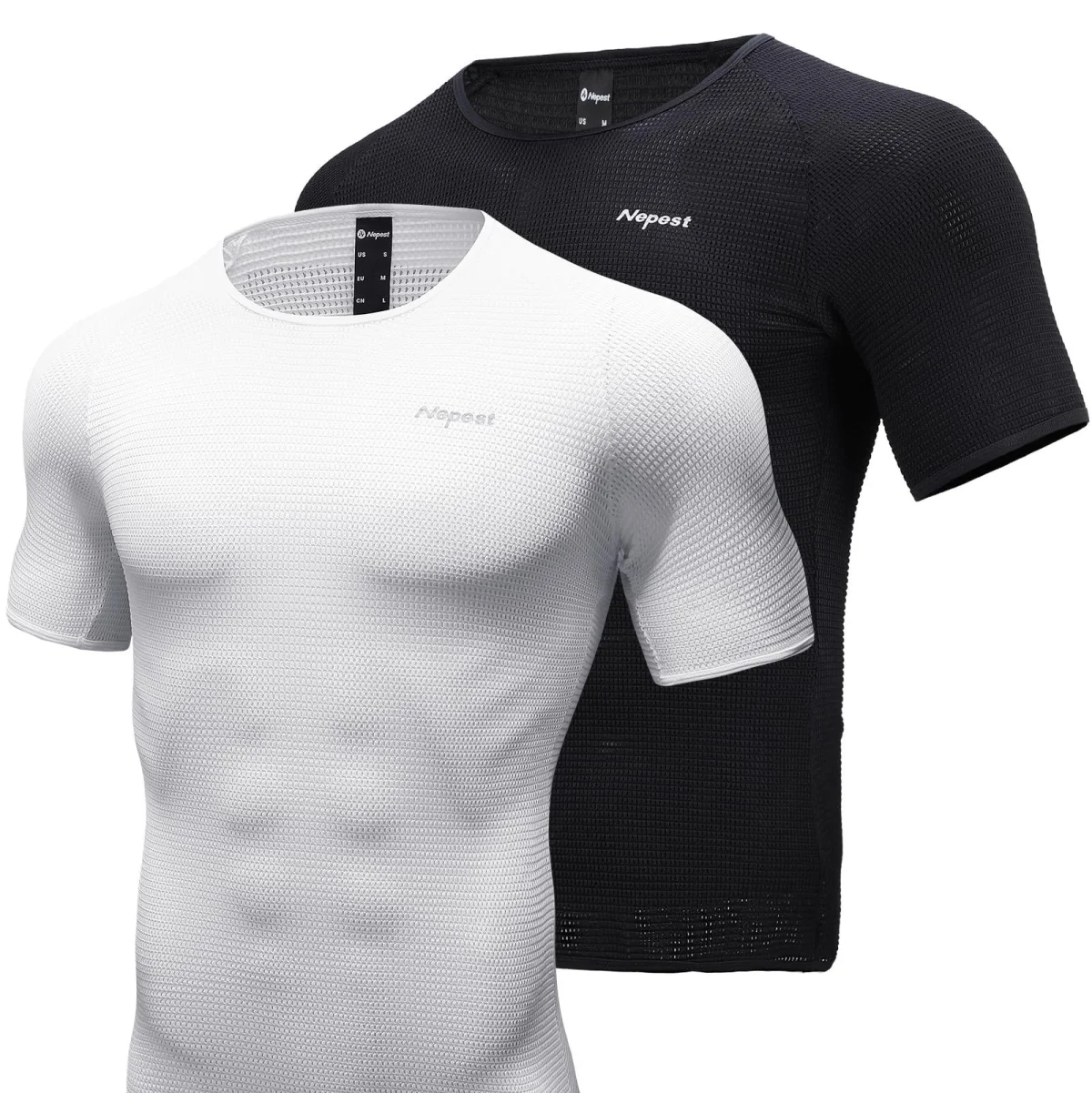
Nepest Short Sleeve Base Layer, 2 Pack
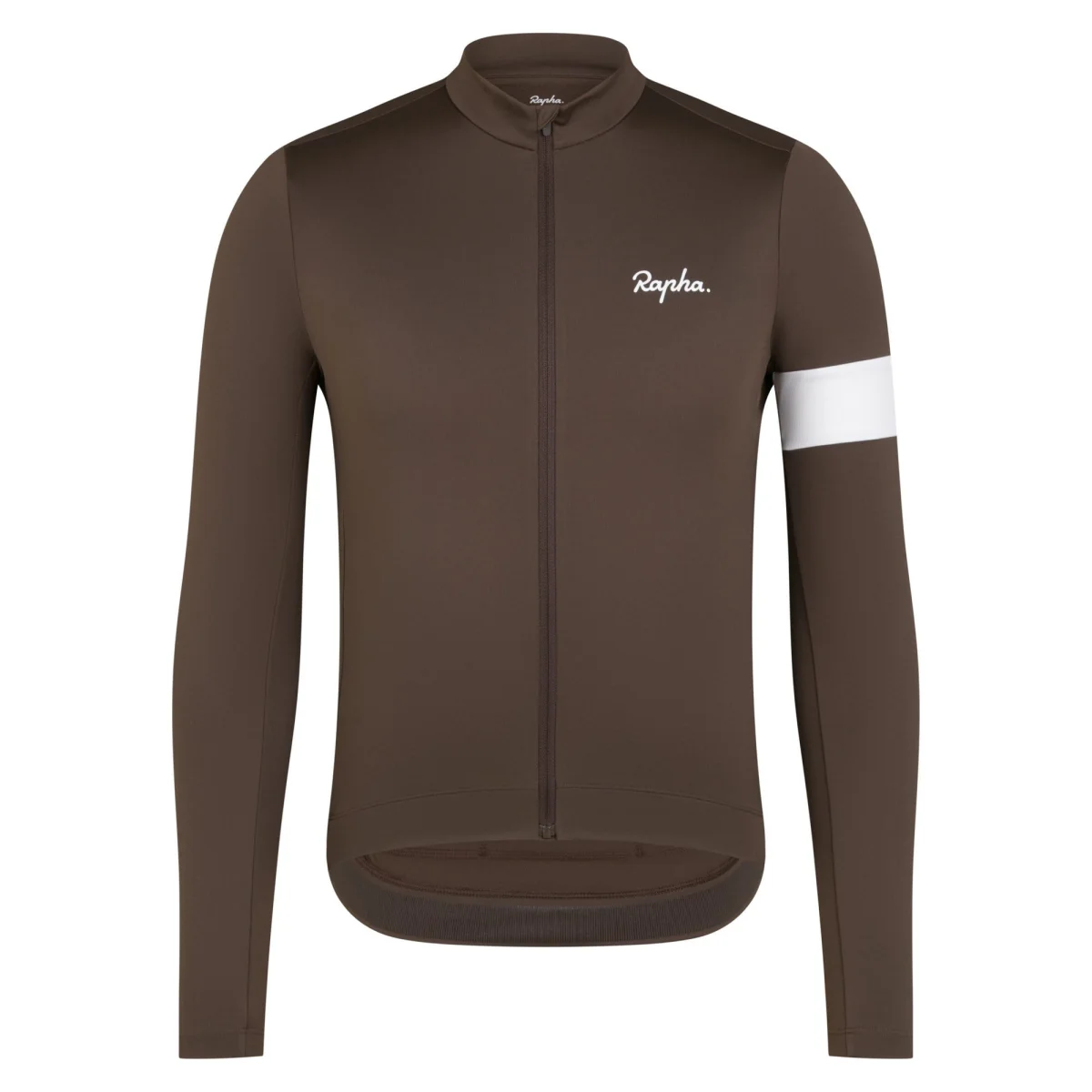
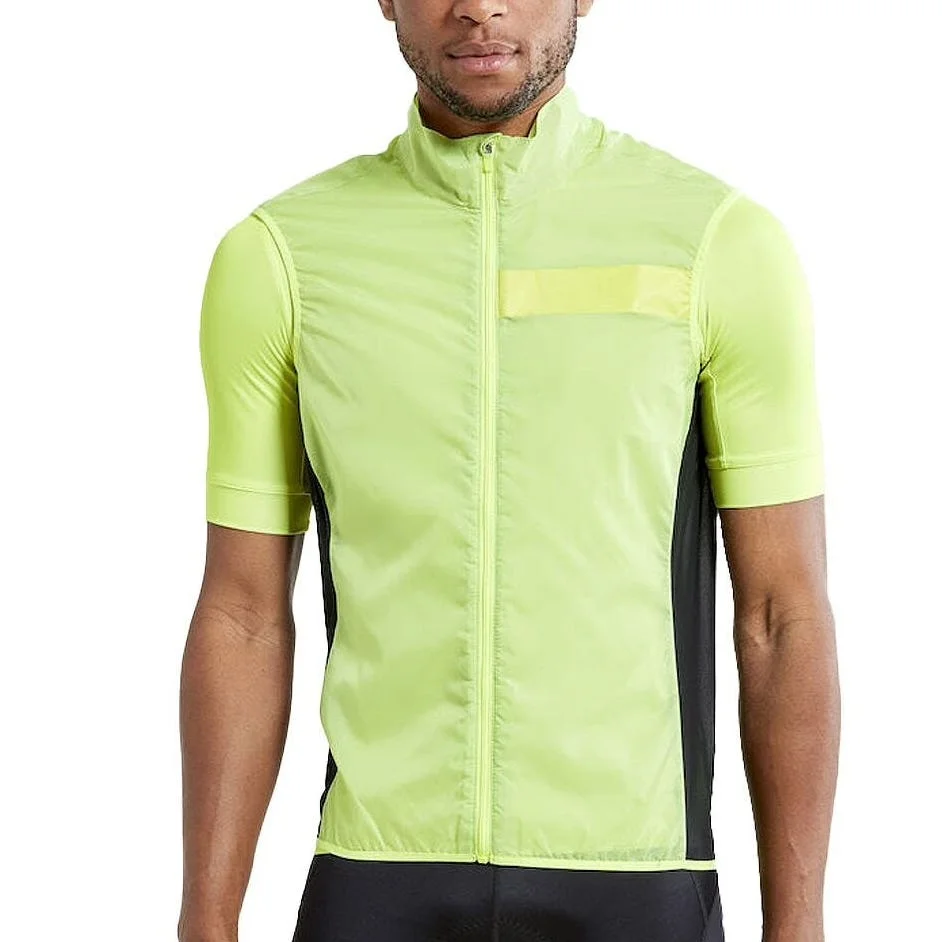

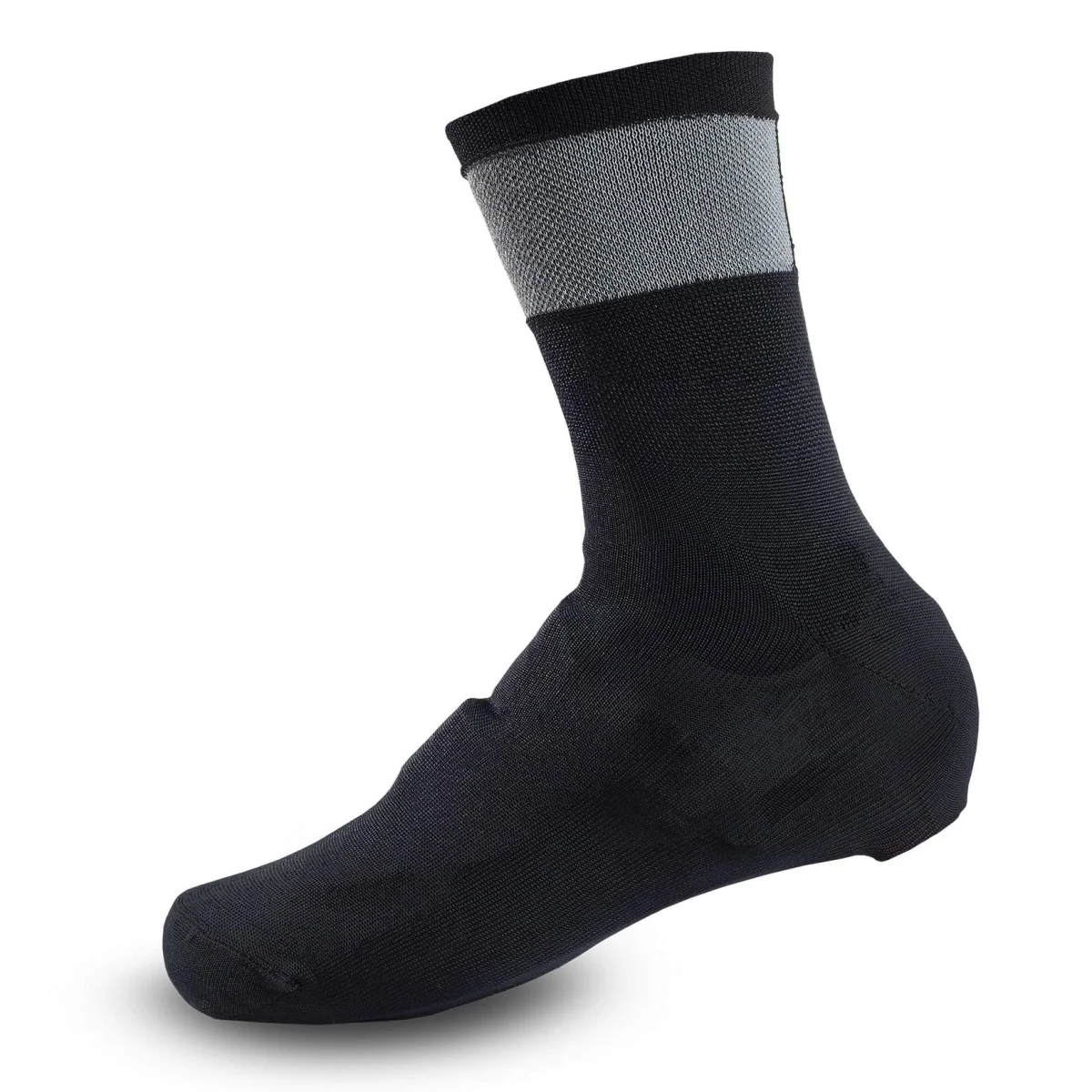
Giro Knit Shoe Cover
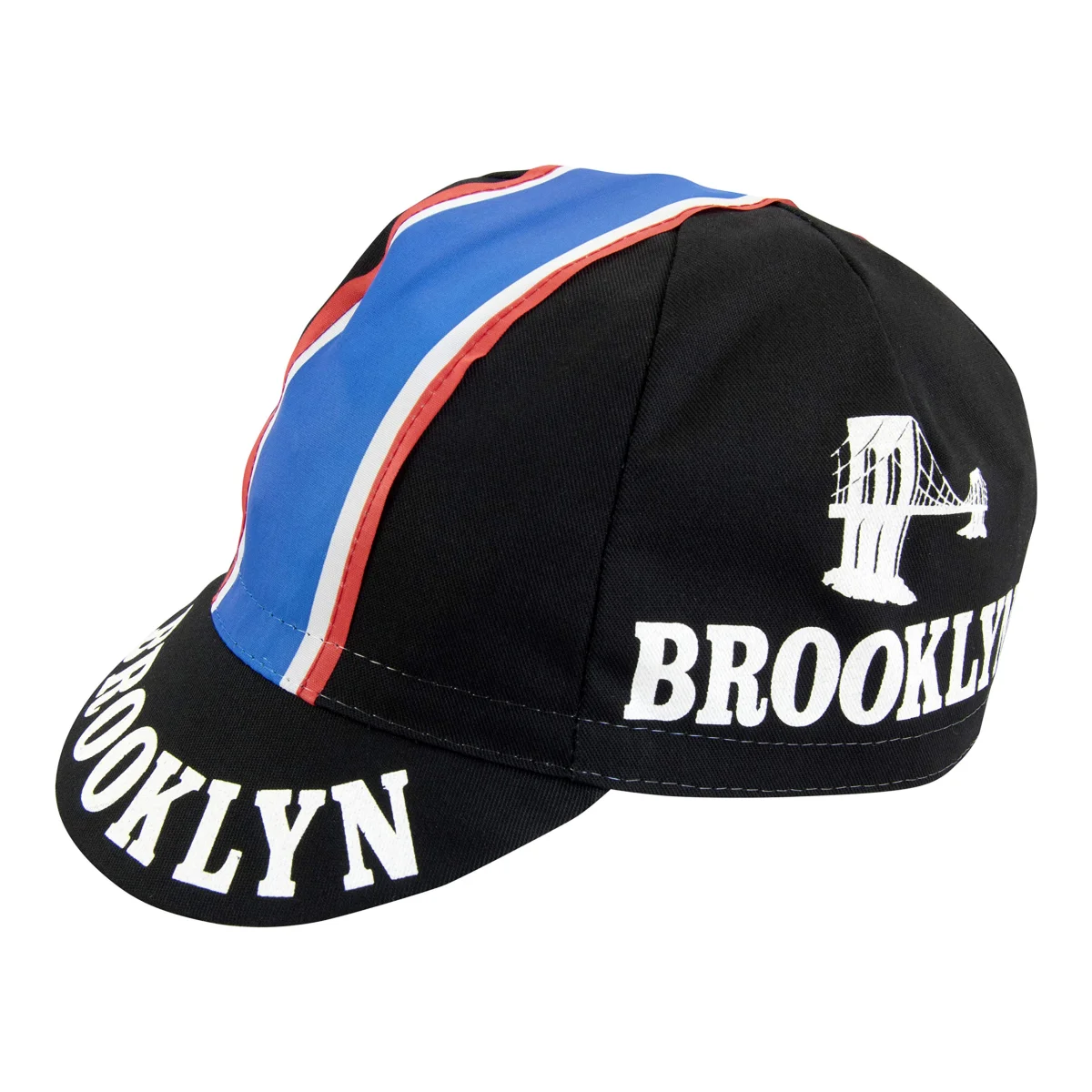
Prestige Cycling Retro Team Cycling Caps
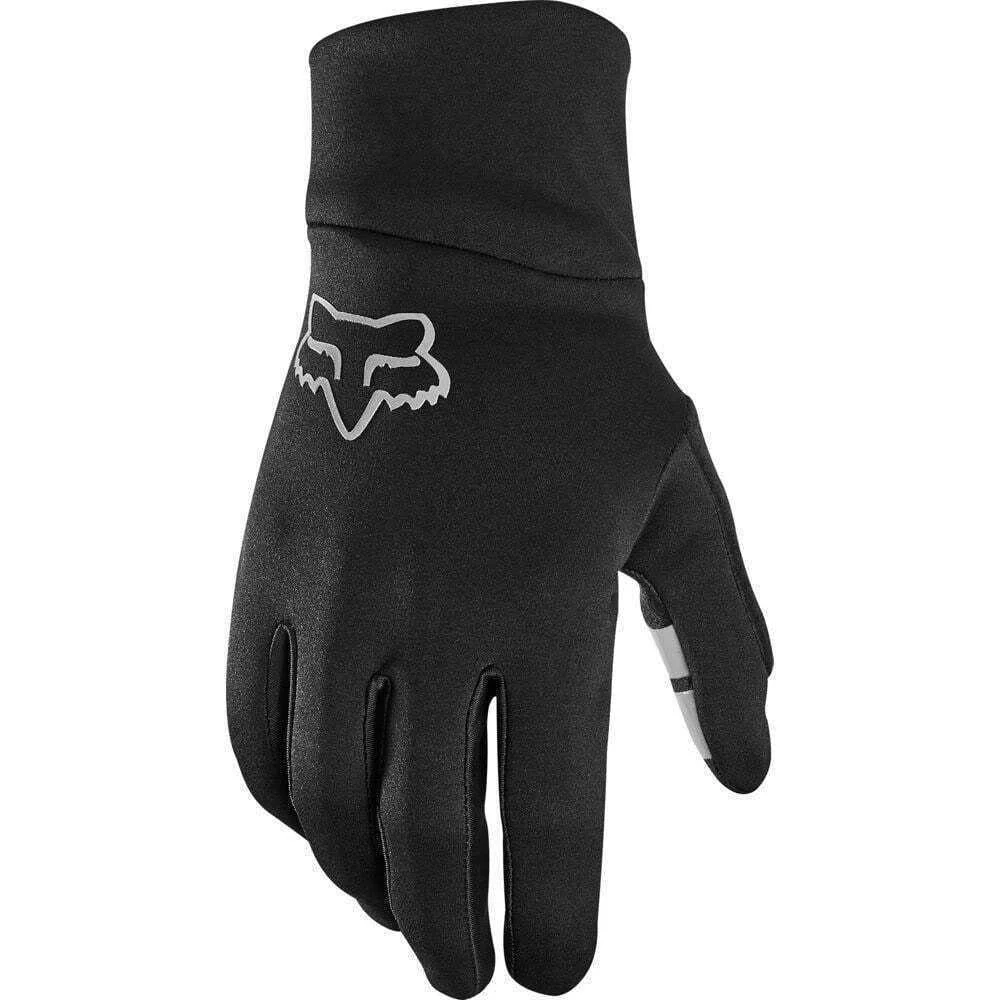
Fox Racing Ranger Fire Gloves
Wet 45-50º

- Lightweight synthetic base layer
- For passing showers: a jacket with a protective membrane and good ventilation
- For continuous rain, a long-sleeve jersey paired with a dedicated hardshell rain jacket
- Thermal bib shorts with leg warmers or light winter tights
- Neoprene shoe covers
- Cap with a small brim under helmet
- Water-resistant or neoprene-style gloves
Effort adjustment: For high-intensity efforts, stick with a light base layer and ventilate the jacket during climbs. For easier paces, use a thermal jersey beneath the shell.

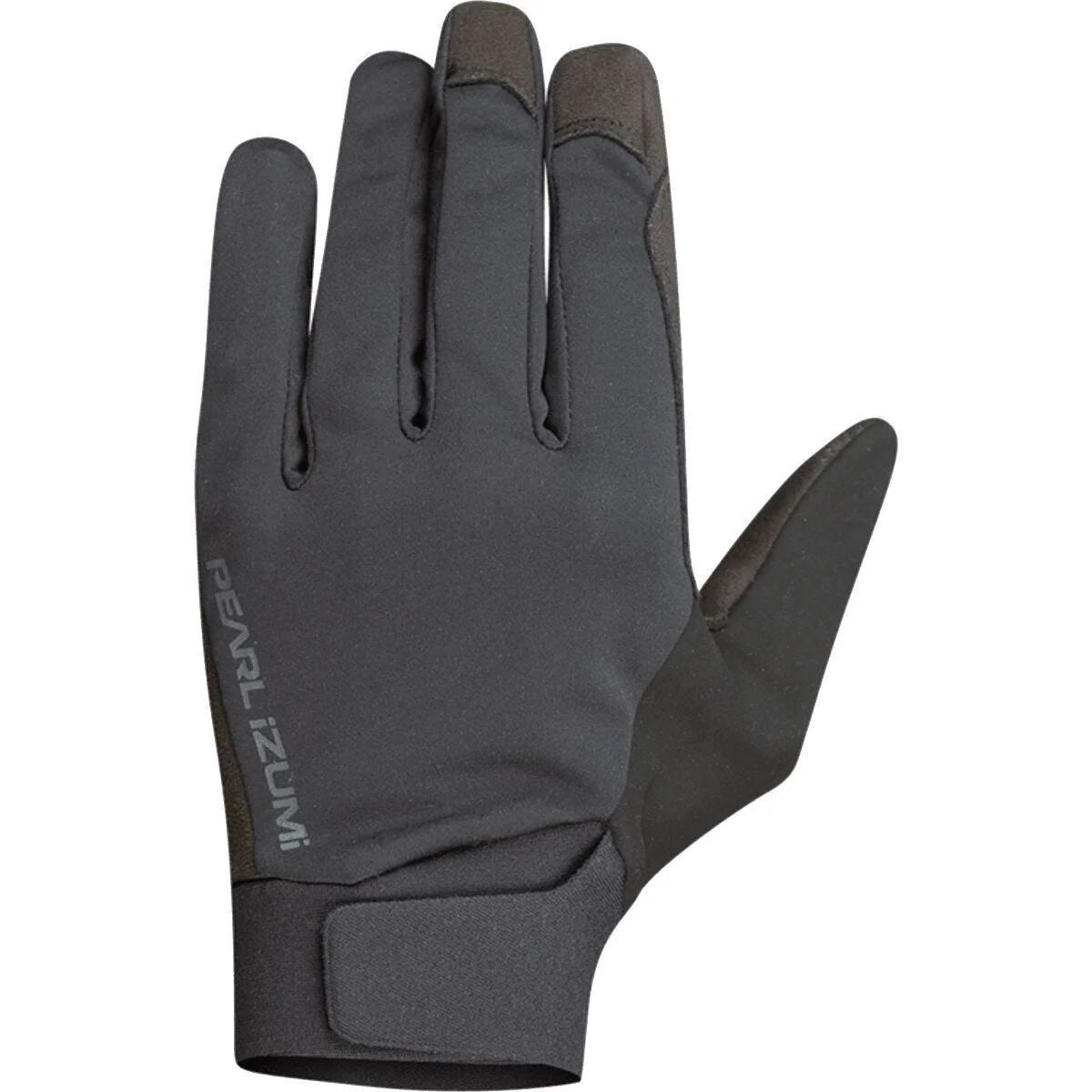
Pearl Izumi Summit WRX Glove
Dry 40-45º
- Lightweight synthetic base layer
- Summer-weight long-sleeve jersey as a breathable spacer or light thermal jersey.
- A packable wind jacket paired with a vest for descents or early miles, which you can open, remove, or swap for the jacket as intensity rises.
- Winter tights
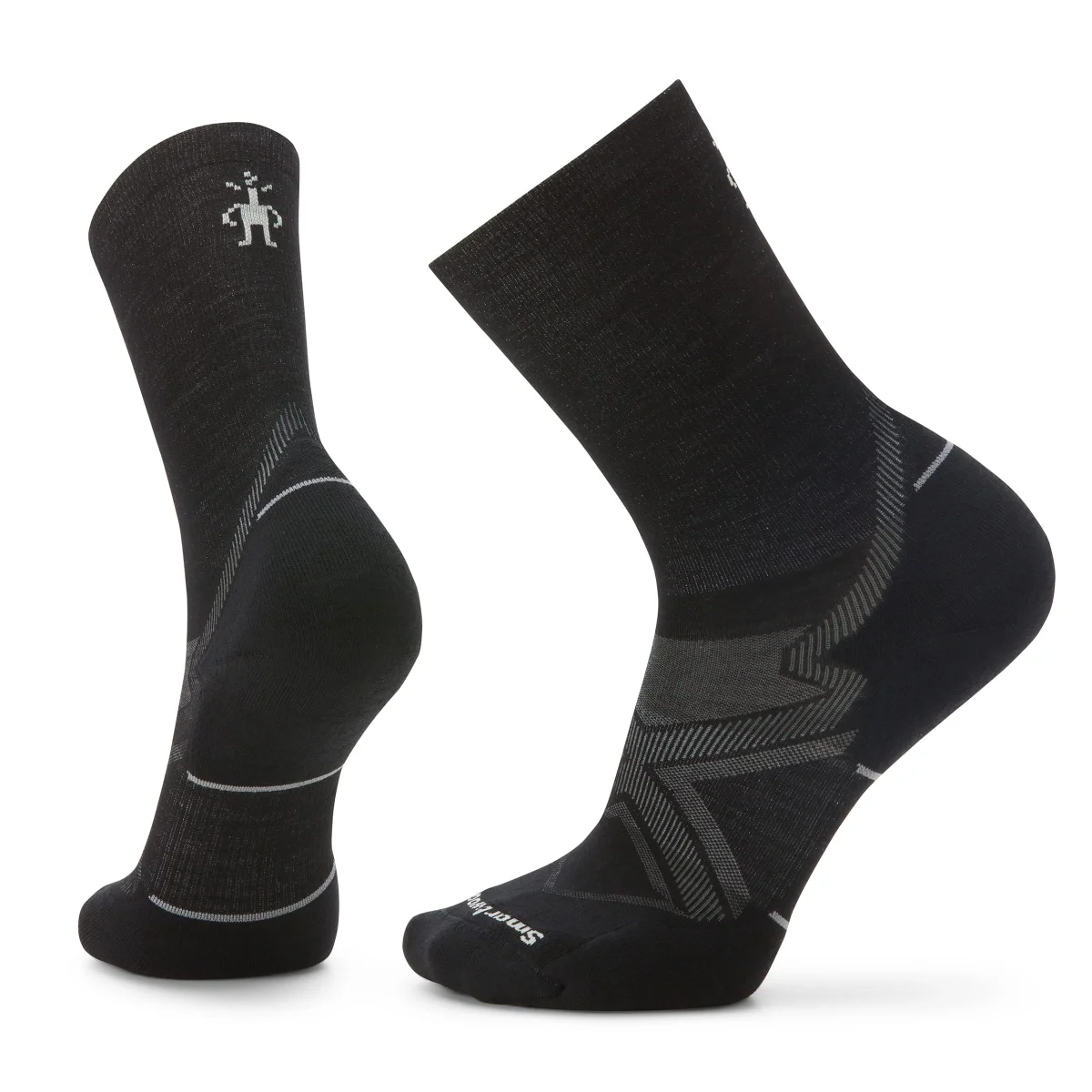
- Thermal socks and shoe covers
- Winter cycling hat
- Layered or insulated gloves depending on wind
Effort adjustment: The vest is a highly flexible component; keep it in your pocket for tough climbs, then wear it for descents, or use it at the beginning of an easier ride.
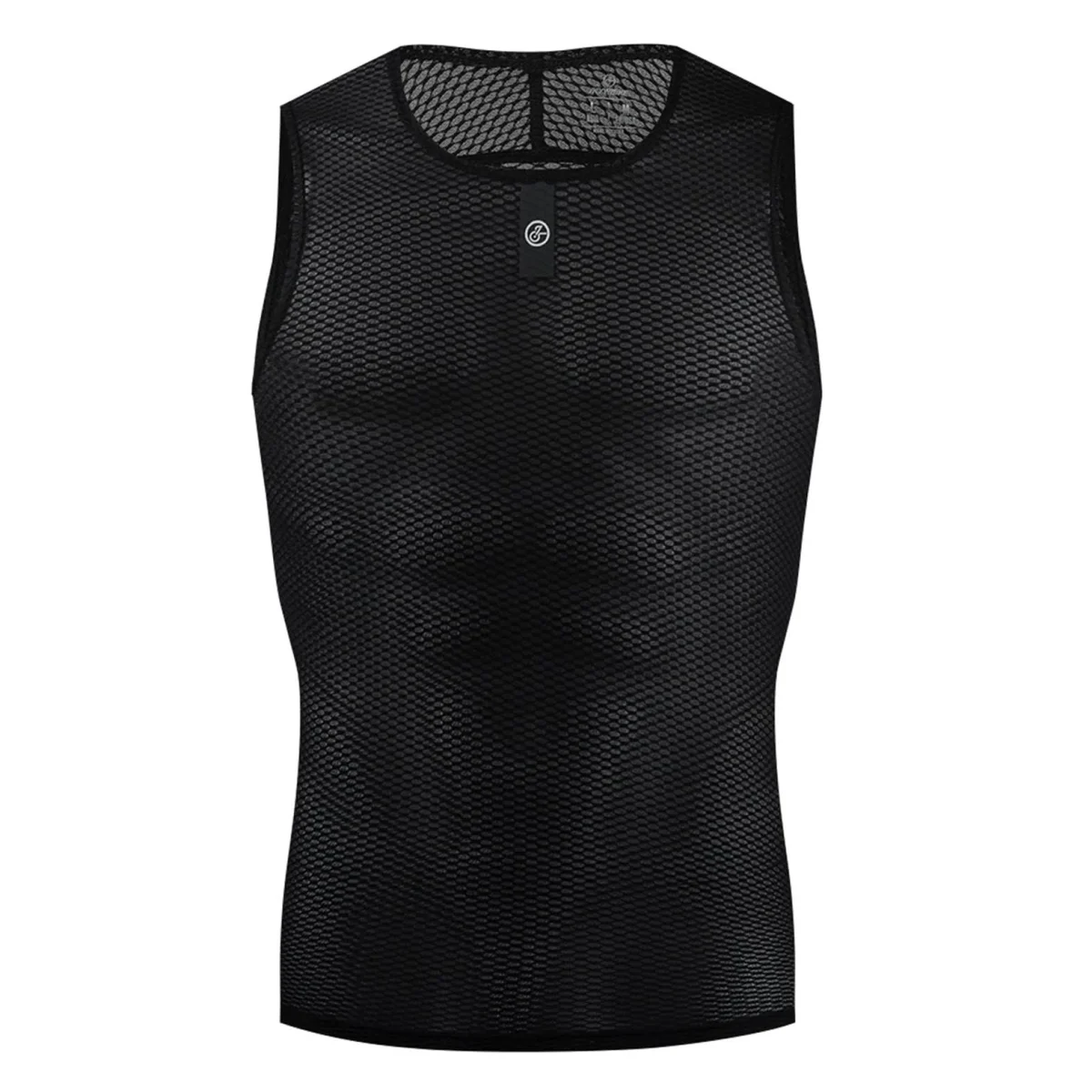
YKYWBIKE Sleeveless Cycling Base Layer
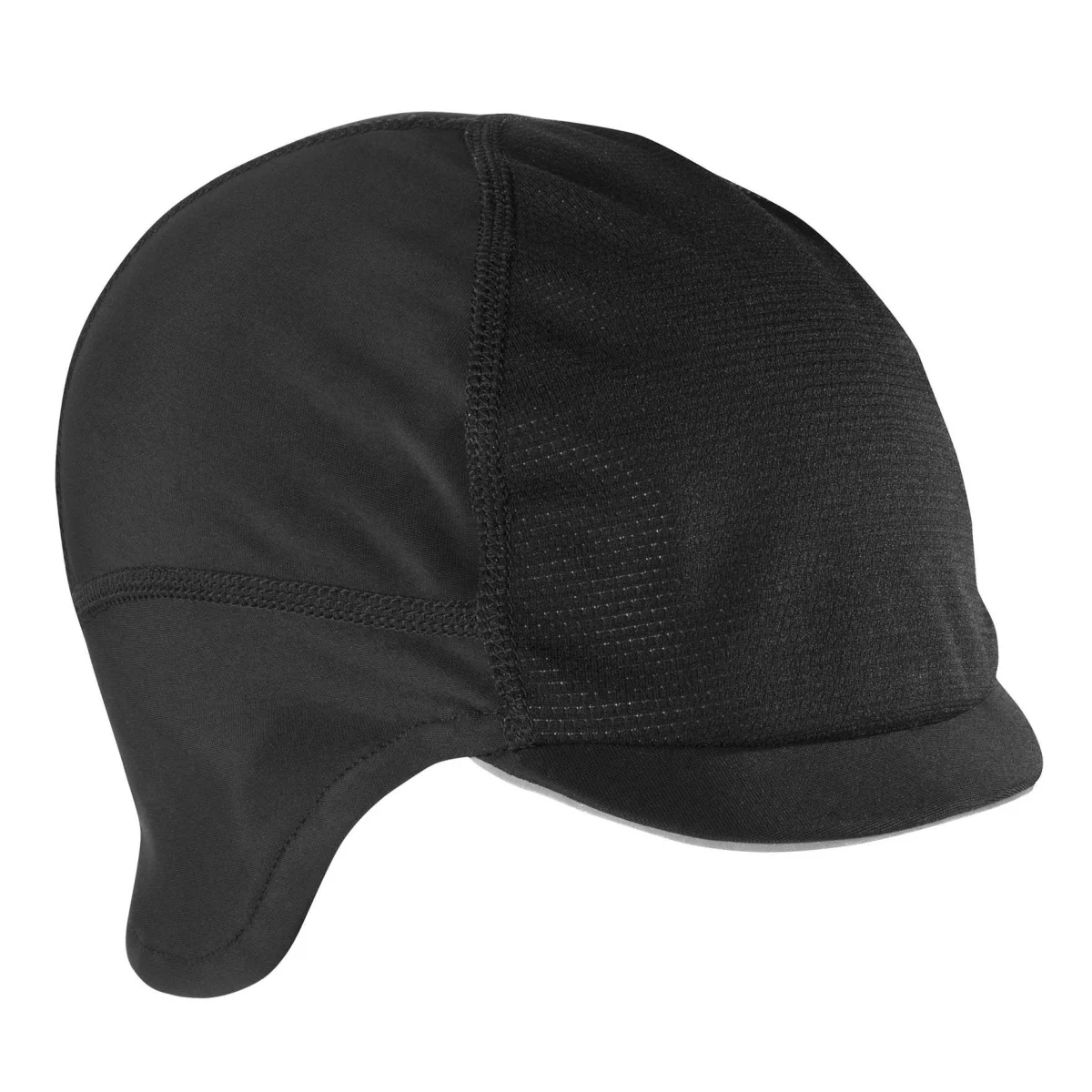
Giro Ambient Skull Cap

Defeet Duraglove ET Charcoal Wool w/Black Grippies
Wet 40-45º

- Lightweight synthetic base layer
- Light thermal jersey
- For passing showers: a jacket with a protective membrane and good ventilation
- For continuous rain, wear a long-sleeve thermal jersey beneath a hard-shell rain jacket.
- Winter tights
- Thermal hat under the helmet
- Thermal socks, neoprene shoe covers with a thermal lining
- Neoprene or thermal gloves
Effort adjustment: During high efforts, maintain a lightweight base layer and open vents before feeling sweaty. For steadier paces, select the thermal jersey when rain persists.
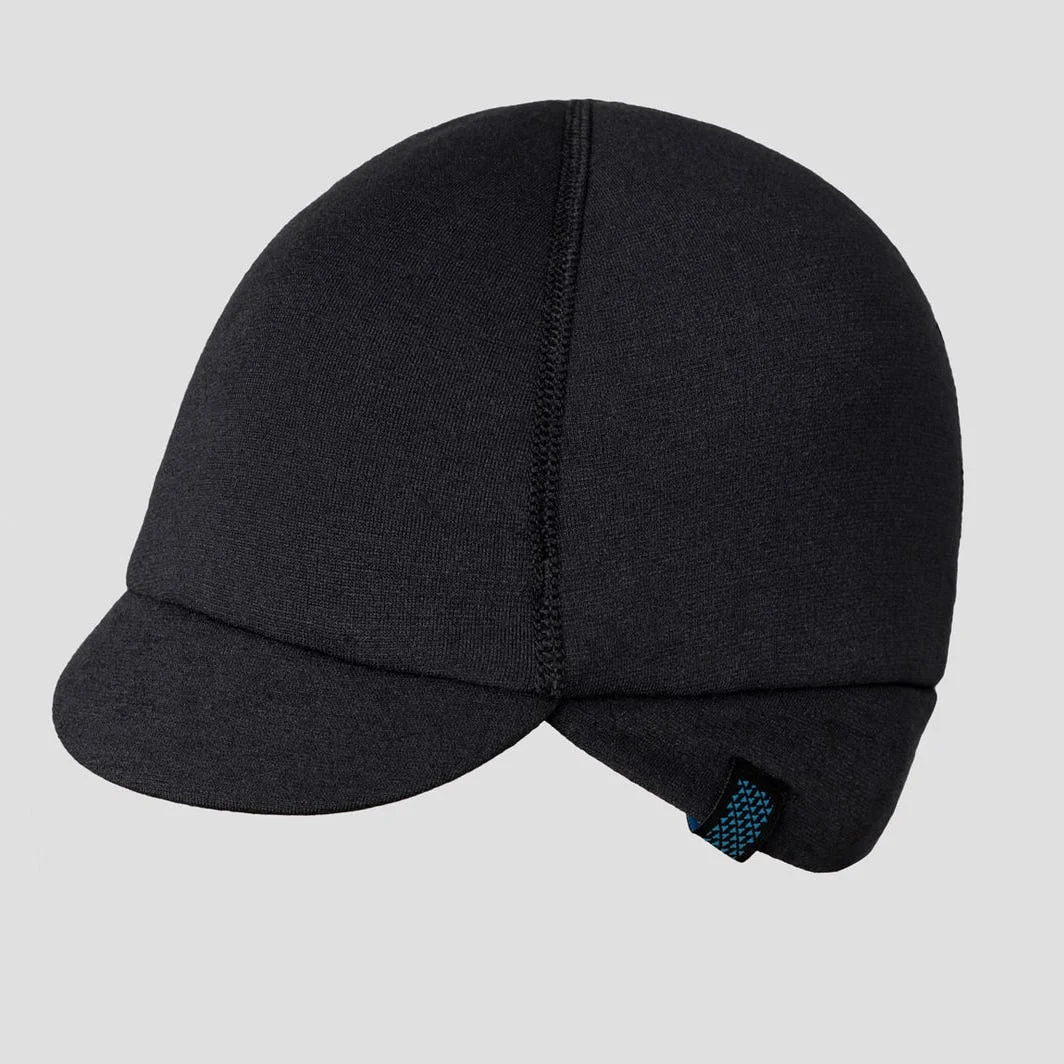
Ornot Decadent Winter Cap
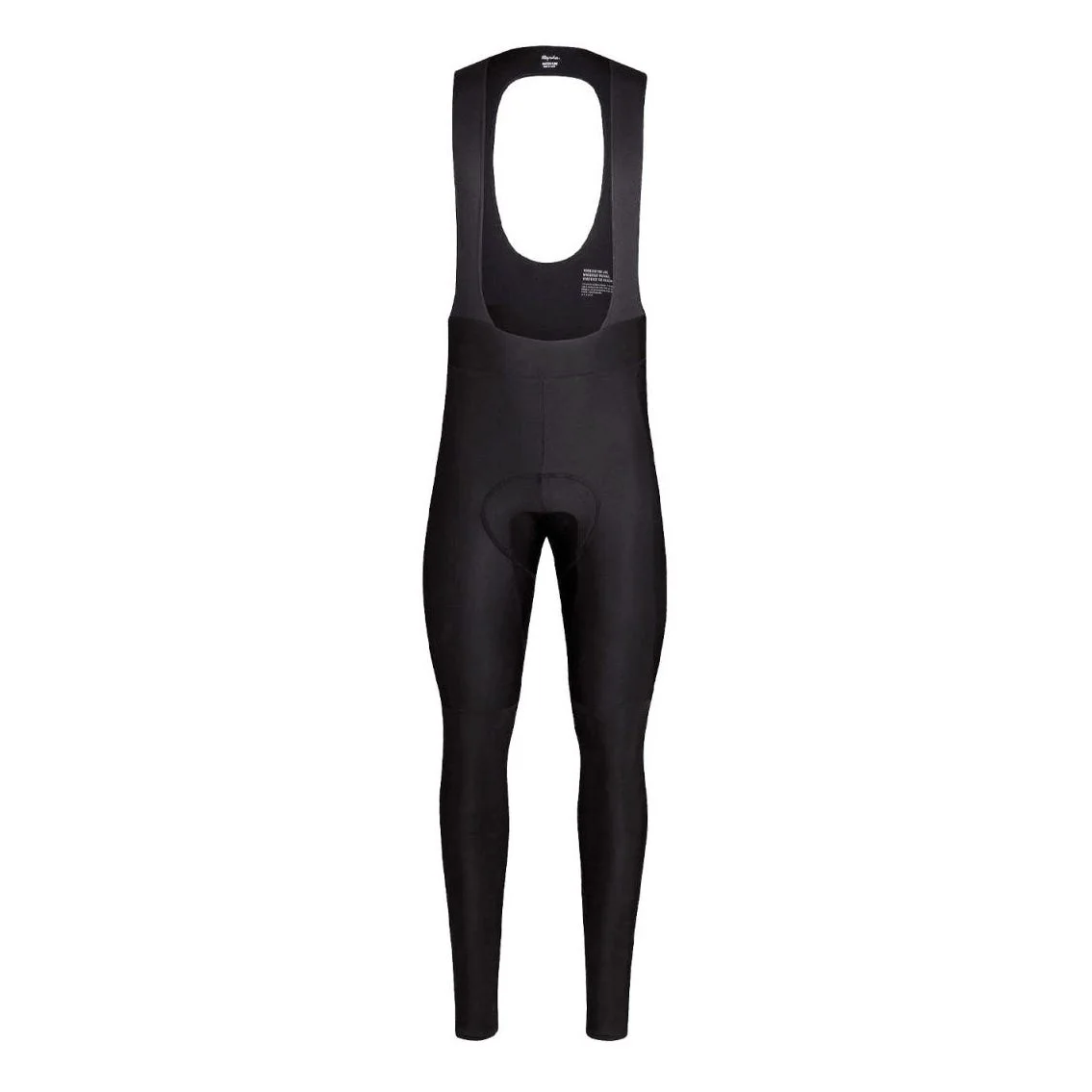
Rapha Core Winter Bib Tight
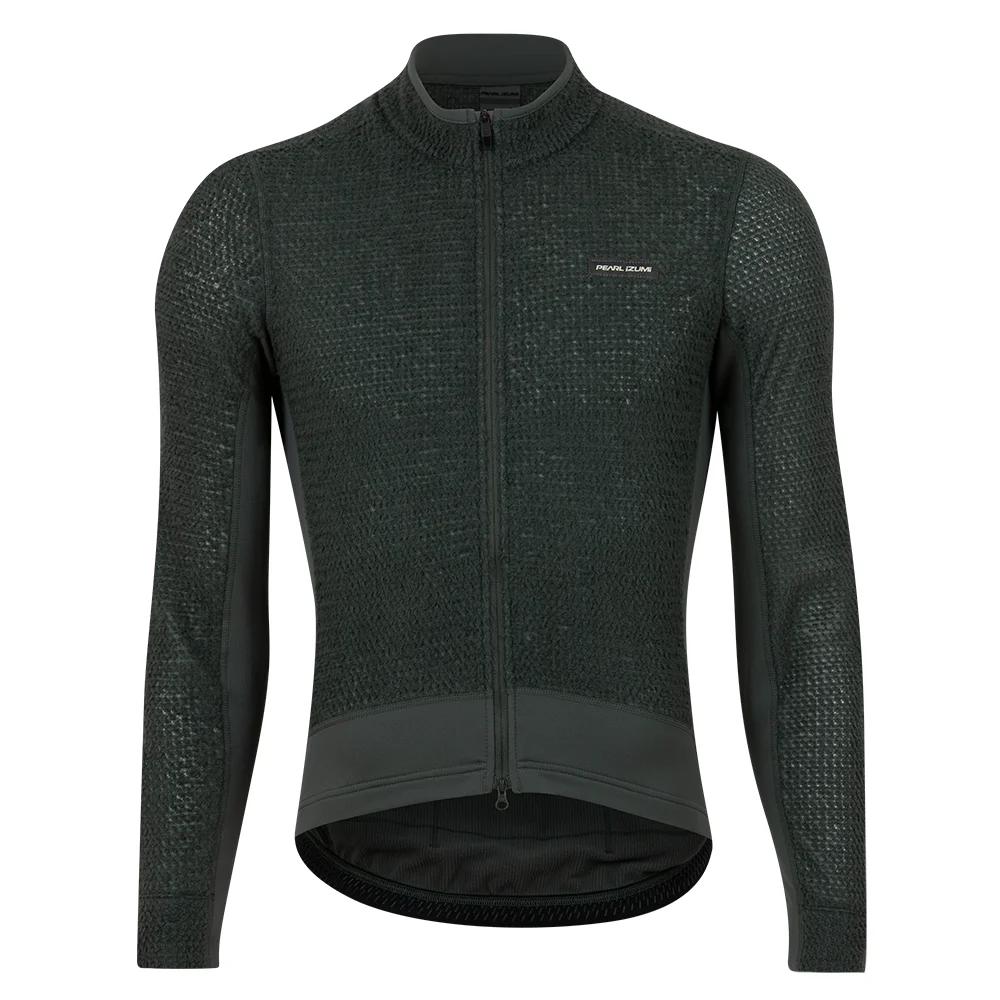
Pearl Izumi Pro Alpha Layer
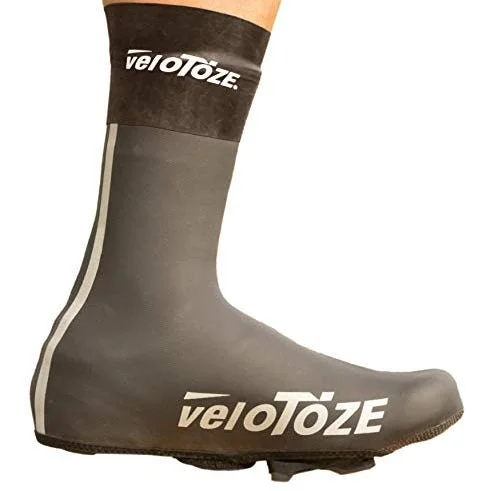
VeloToze Neoprene Shoe Cover
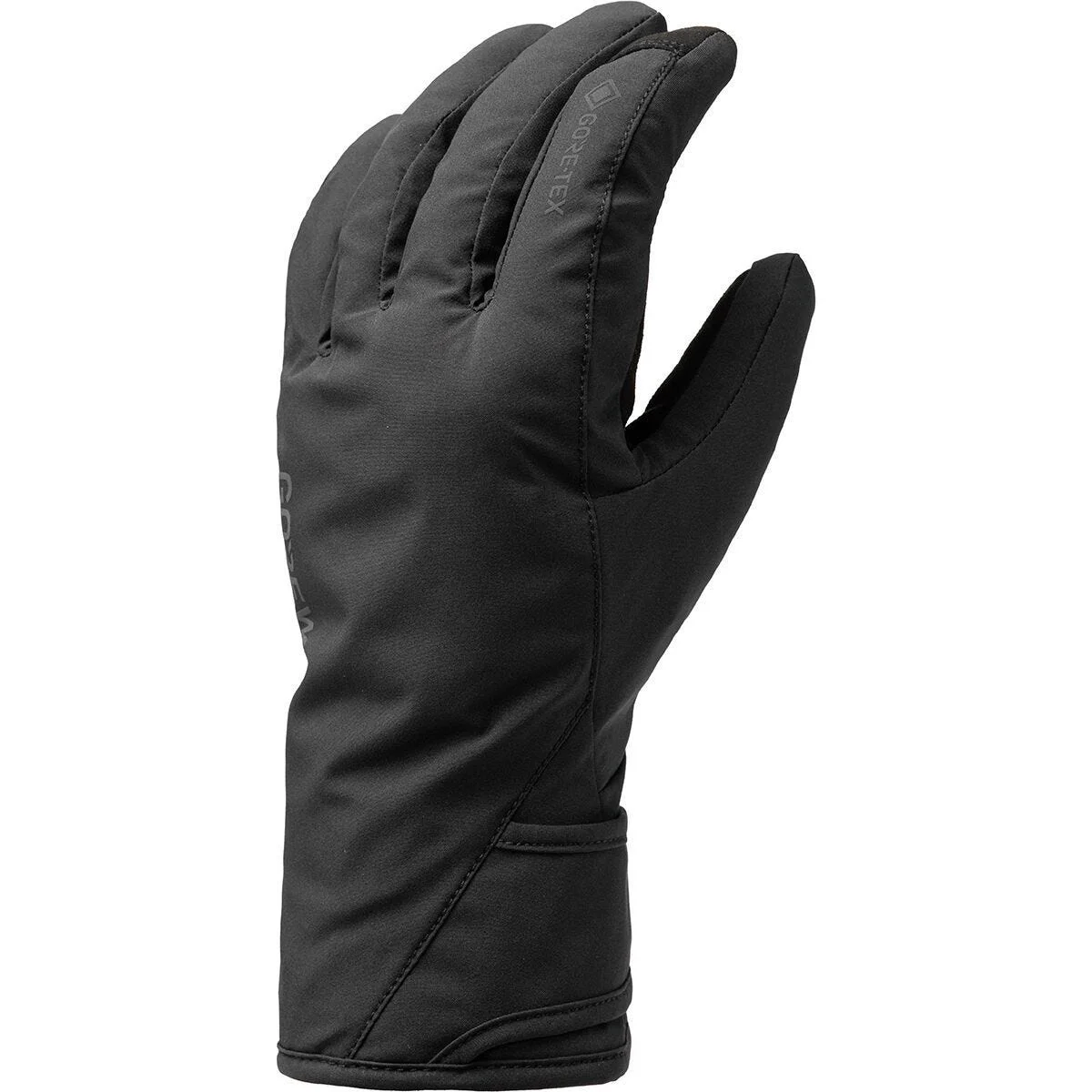
Gorewear Endure Gore-Tex Insulated Gloves
Dry 32-40º

- Long-sleeve lightweight synthetic base layer
- Thermal base or insulated mid-layer
- Insulated winter jacket
- Winter tights
- Thermal socks, thermal shoe covers, consider adding a thin barrier layer
- Consider a less vented helmet and use a winter hat
- Layer gloves or use heavy thermal gloves
Effort adjustment: Opt for thinner thermal mid-layer options during intervals or repeated climbs, and vent your jacket early on. For easier rides, stick with warmer mid-layers.
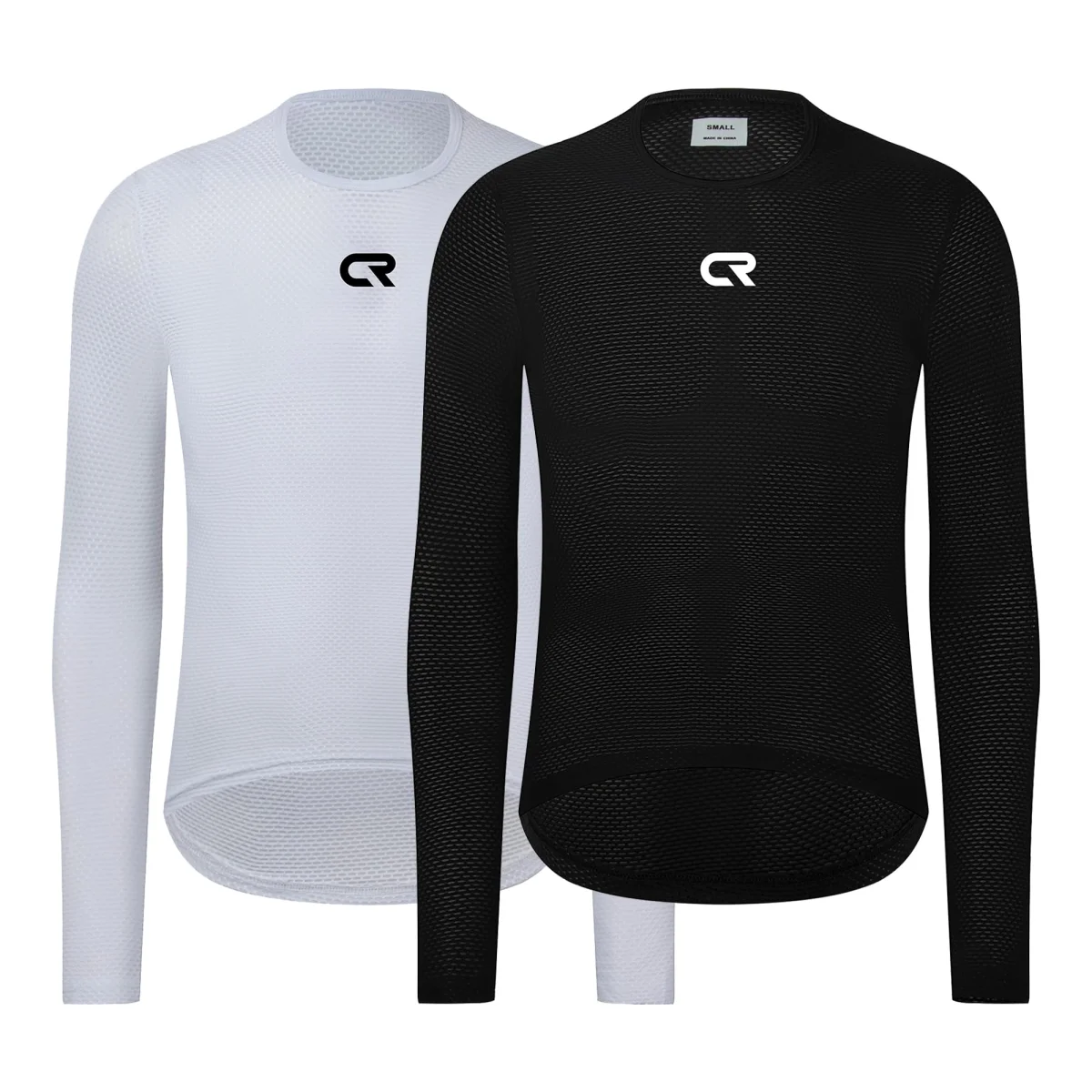
Coconut Ropamo CR 2 Pack Cycling Base Layer
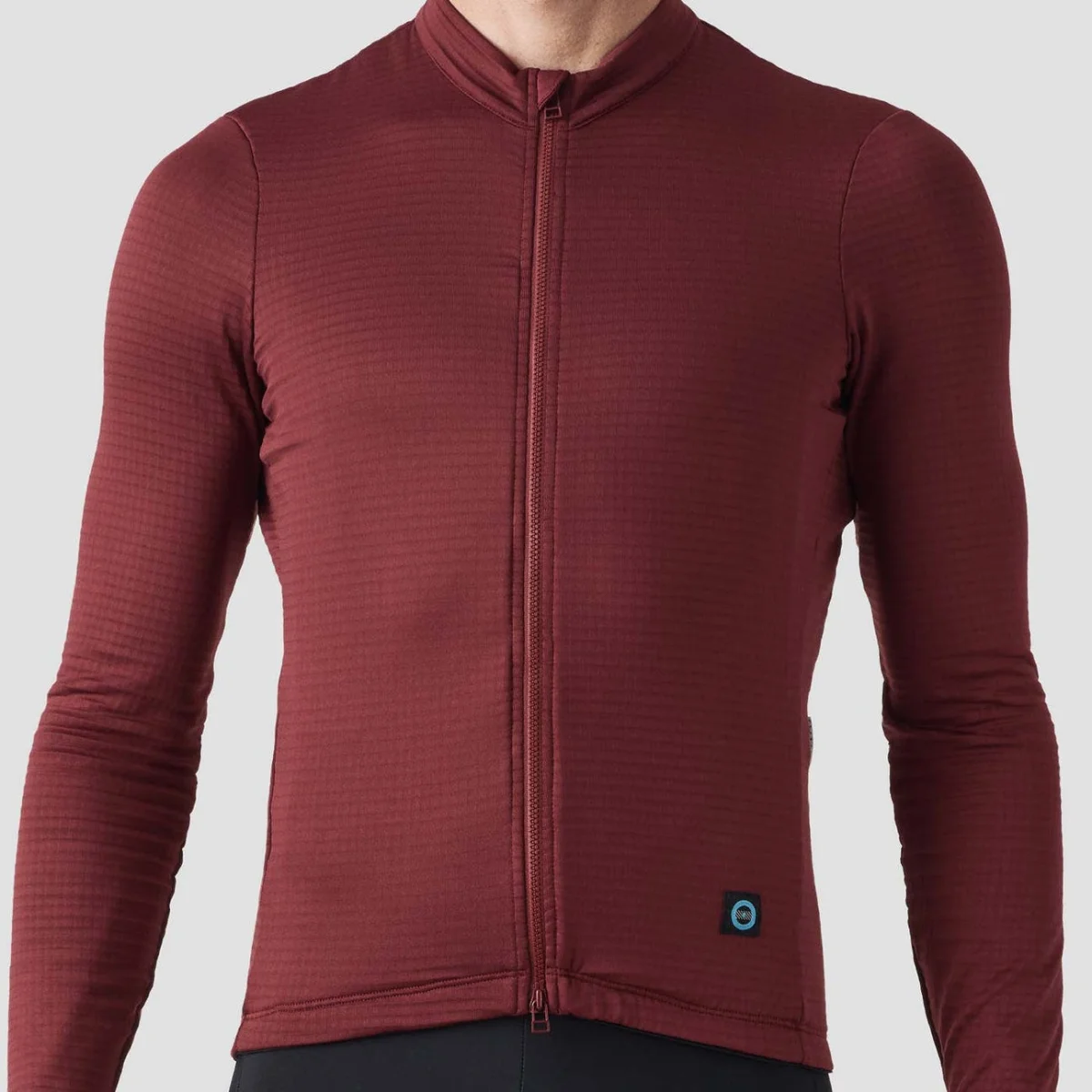
Ornot Grid Thermal Jersey
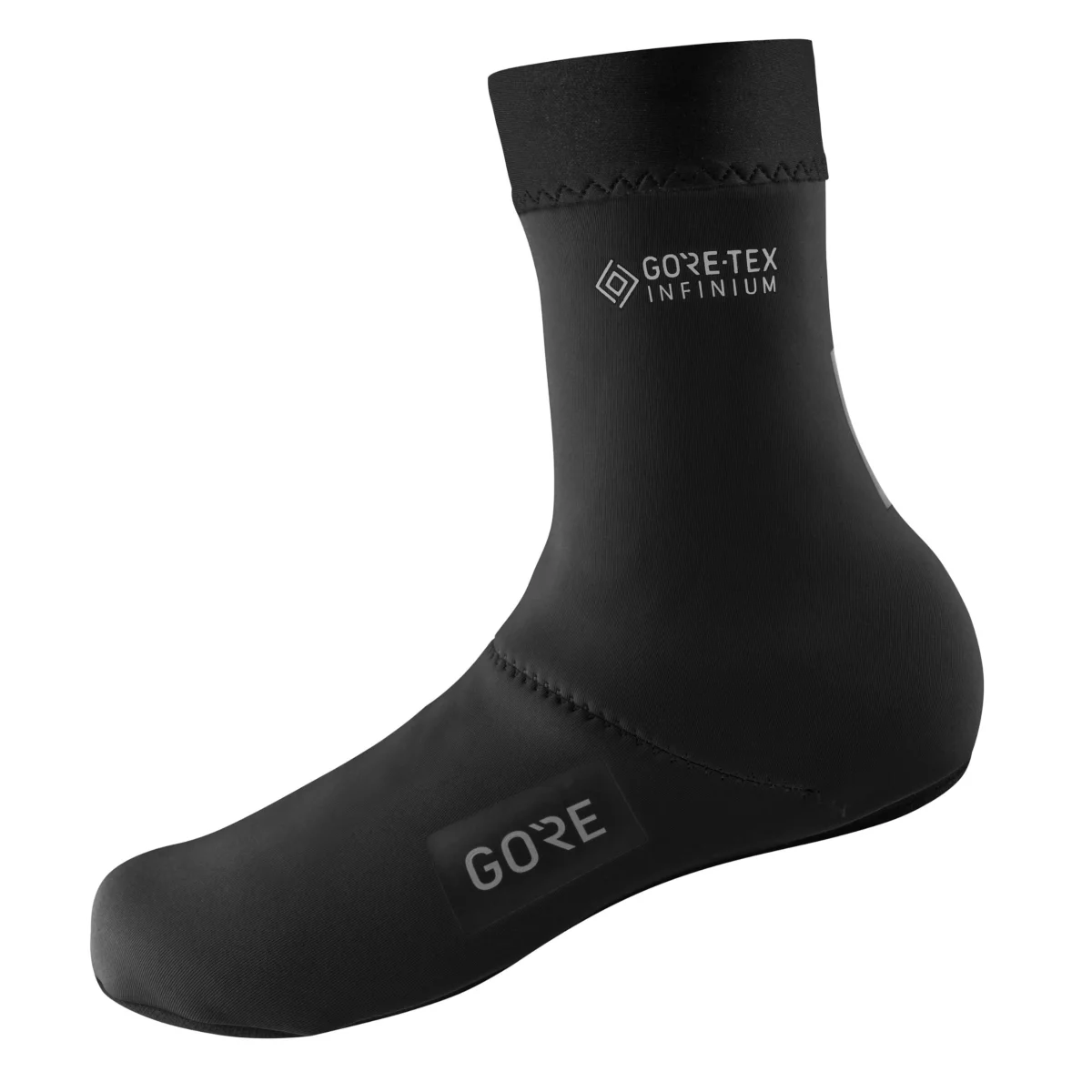
GoreWear Shield Thermo Overshoes
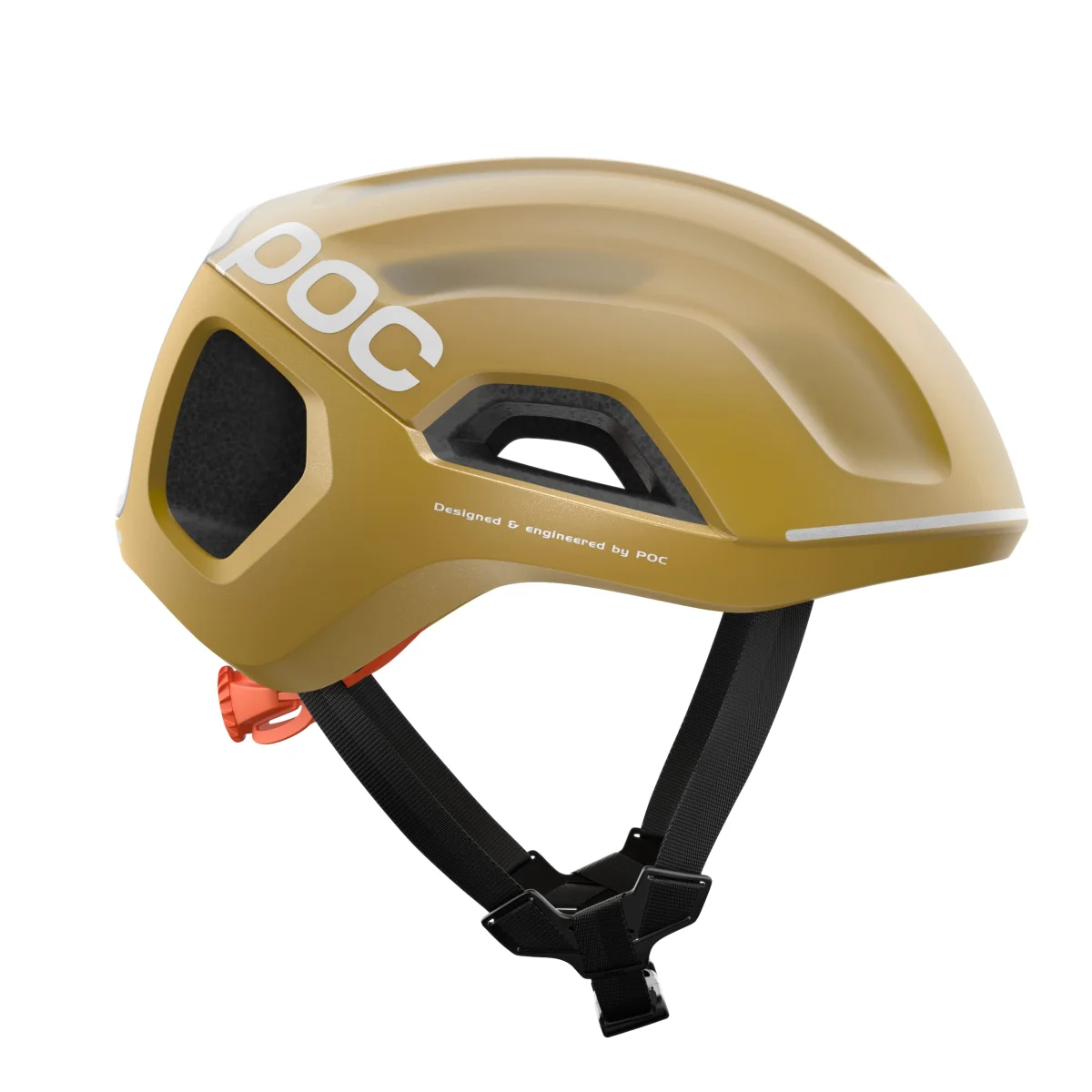
POC Ventral Tempus MIPS

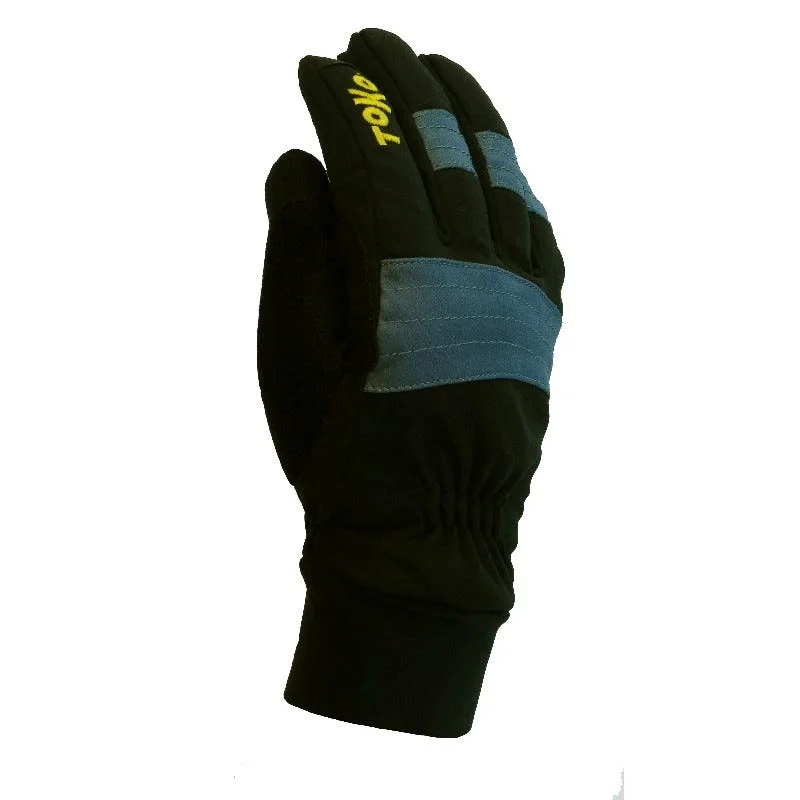
Toko Thermo Plus Gloves
Wet 32-40º
- Long-sleeve lightweight synthetic base layer
- For passing showers: membrane jacket plus a water-resistant fleece-style jersey
- For continuous rain, wear a long-sleeve thermal jersey beneath a hard-shell rain jacket.
- Winter tights
- Thermal socks, neoprene shoe covers with thermal lining
- Consider a less-vented helmet and use a winter hat
- Neoprene gloves with a thermal lining
Effort adjustment: When tackling steep climbs, choose lighter insulation under your shell and utilize the front zipper to cool off as effort increases, closing it back up before descents. For a steadier pace, don the warmer thermal jersey beneath.
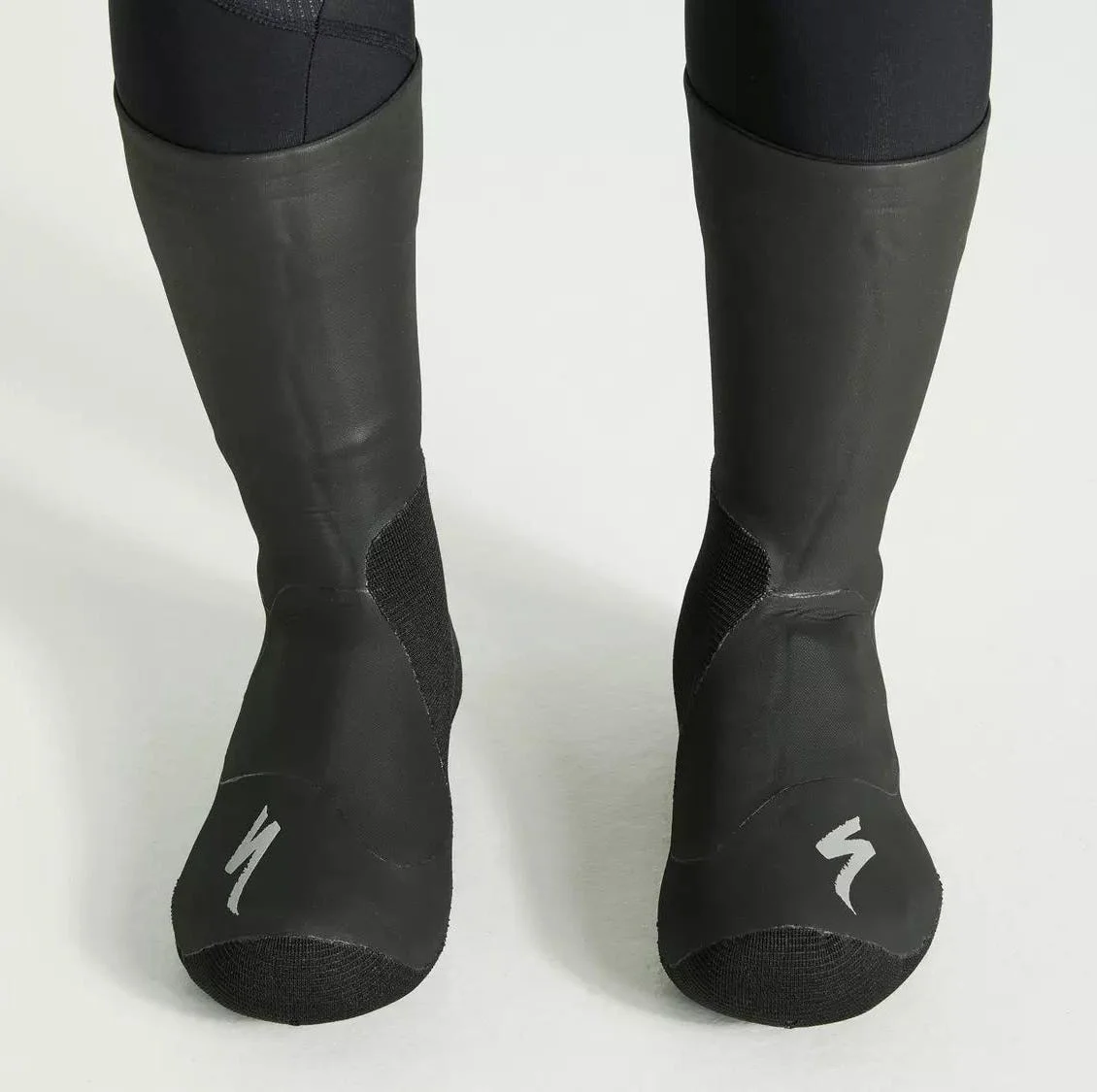
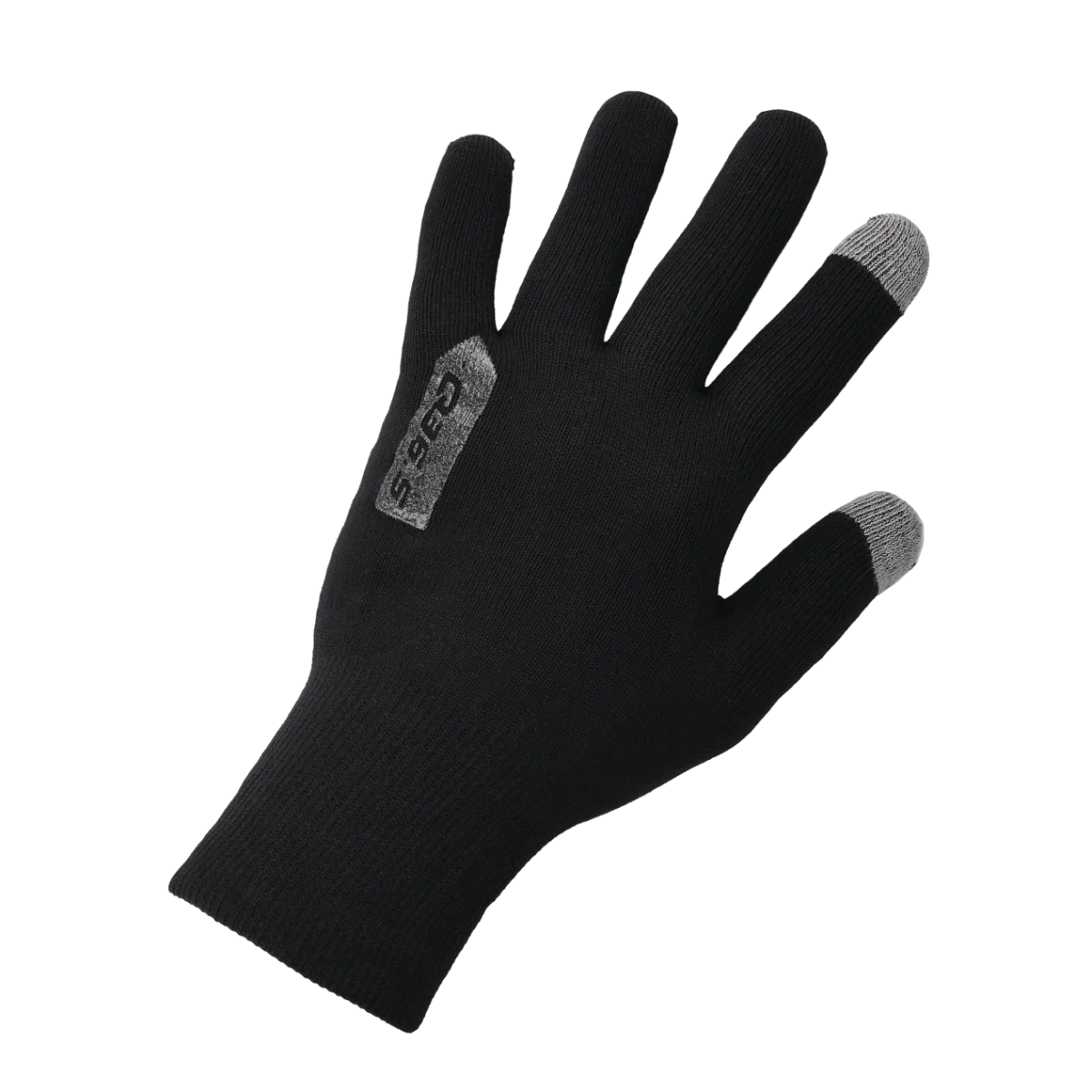
Q36.5 Winter Rain Gloves Black
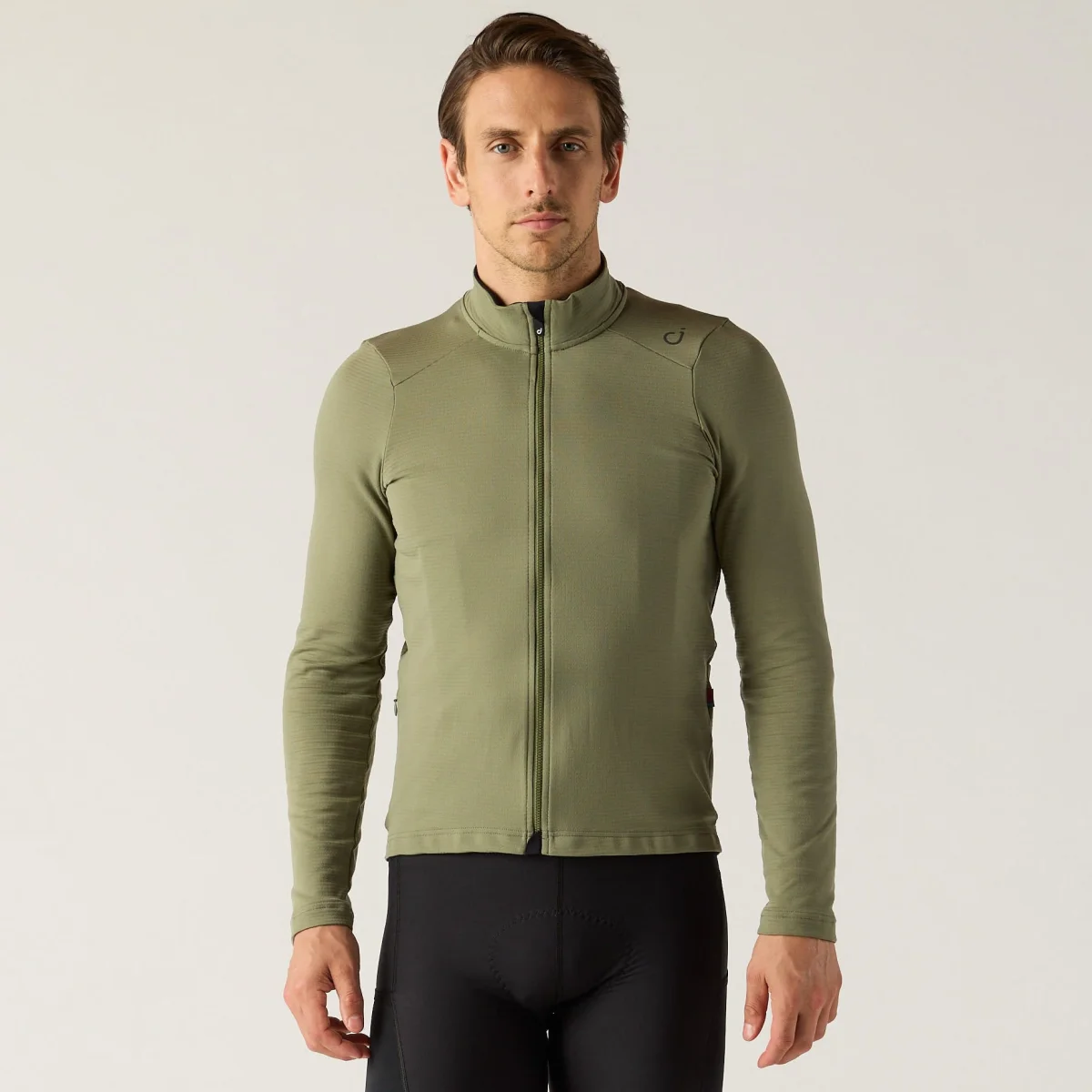
Velocio Men's Luxe Thermal Long Sleeve

Castelli Fly Thermal Jacket



